Ever wondered where the seawater in the aquarium's habitats comes from?
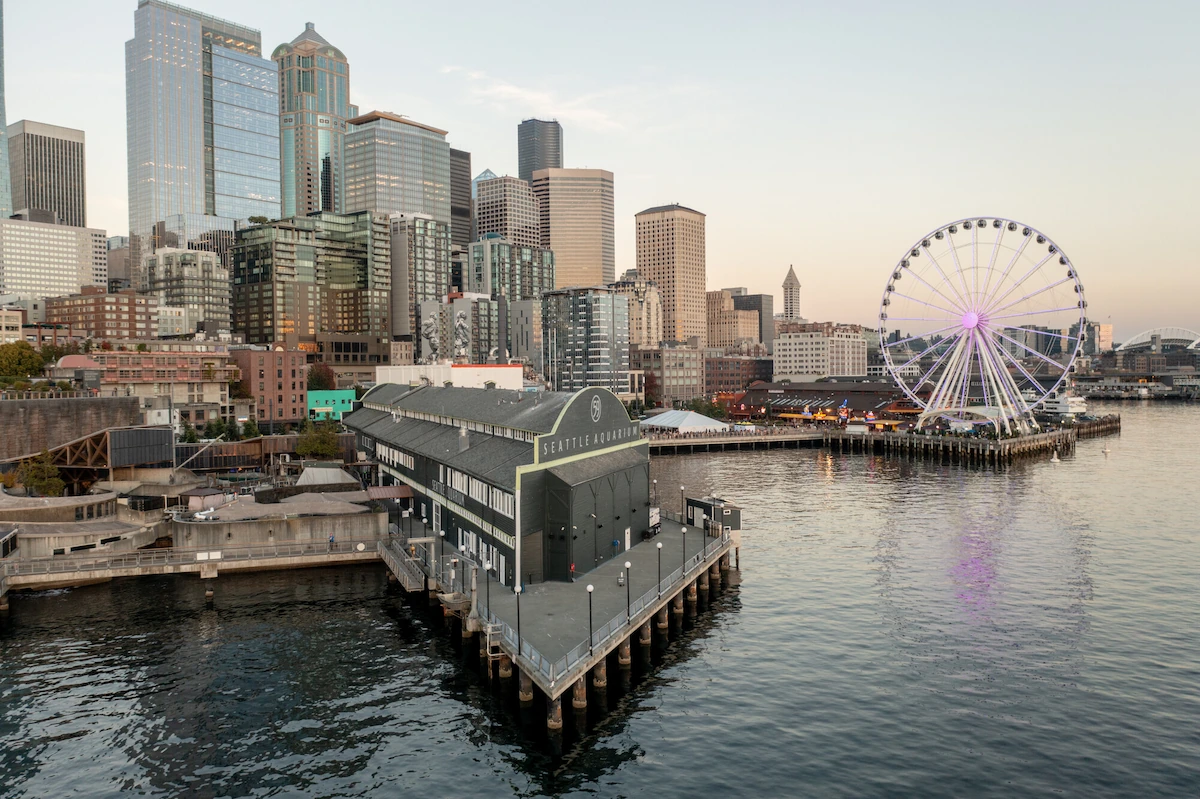
And would it surprise you to learn that the answer is Elliott Bay, just below Pier 59? The water is pumped through our buildings after entering through intakes 20 feet above the seafloor. Then, depending on the destination, it may be filtered or treated before flowing into the habitats.
Using water from the bay helps us replicate wild ecosystems, supports the health and wellbeing of the animals in our care, and helps advance our sustainability goals. For these reasons and more, it’s vital that this fresh, oxygen-rich seawater moves dependably and efficiently from the bay, into our habitats and—in some cases—back out again (keep reading for more on this!).
An important, behind-the-scenes update
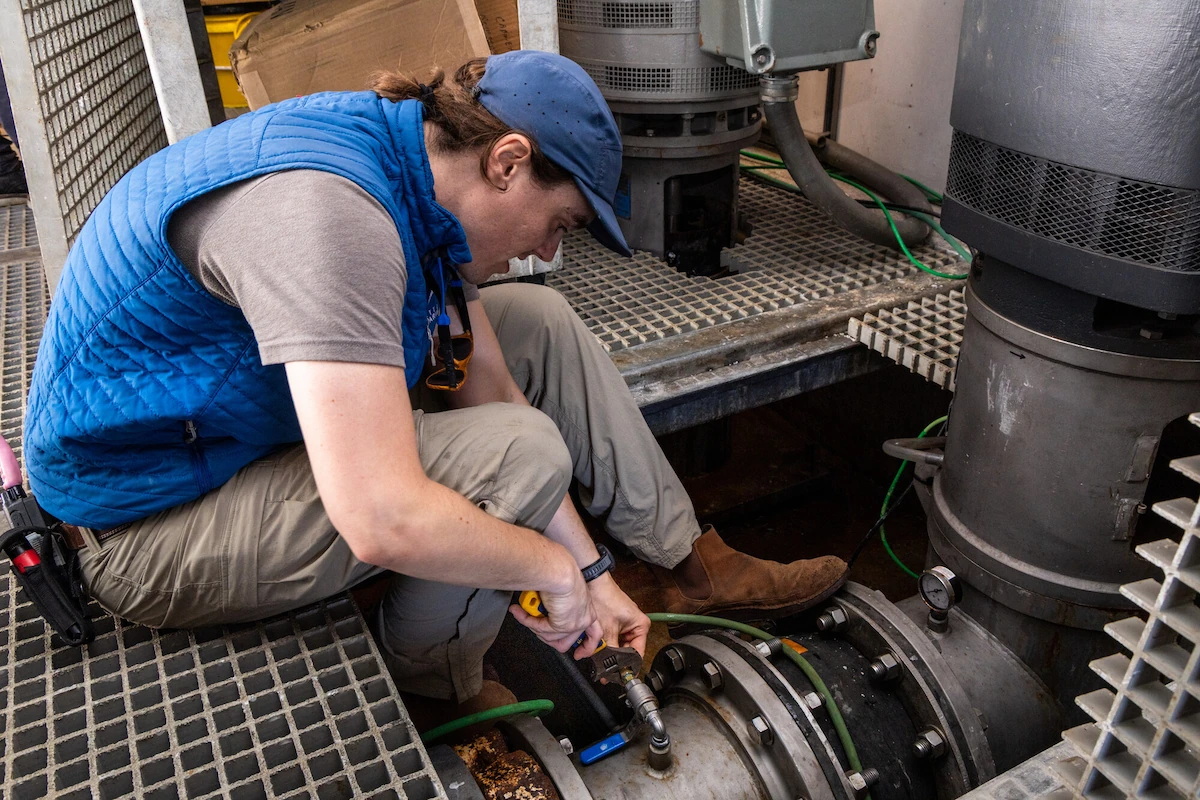
The Aquarium is starting the process of updating the system of valves, pipes and connectors that supplies seawater from the bay to our habitats in Pier 59 and 60.
One of the system’s elements, called the header, carries and directs the seawater that the animals in Piers 59 and 60 need to survive and thrive. As Director of Animal Operations Tim Carpenter puts it, “If the pumps that bring seawater into the Aquarium are like a human heart, the header is the aorta.”
Replacing the system brings a lot of benefits, including safety upgrades, more functionality, new technology that will help our operations run more sustainably, and more.
Pausing the flow, for the greater good
While this important update takes place, over a few days, our Engineering team is pausing the flow of seawater into the habitats in Pier 59 and 60. This temporarily reduced flow won’t impact the health of the animals in our care—but it will increase their sensitivity to bacteria. To maintain water quality and protect their health and wellbeing, we’ll put extra precautions in place. The precautions will vary.
For example…
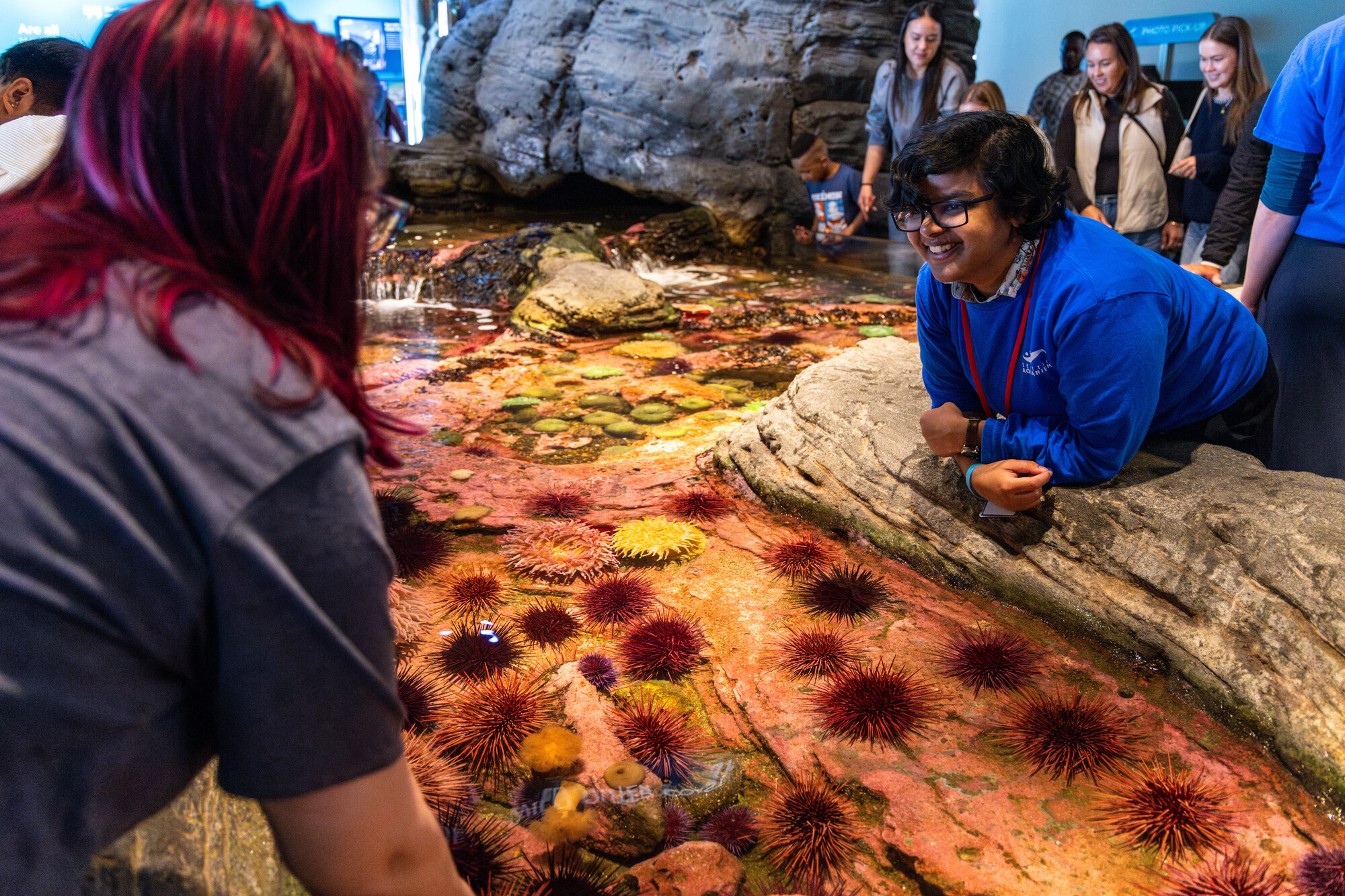
- The animals in our Life on the Edge touch pools will remain in place, but—to protect them from possible contamination—during part of our work, we’ll ask our guests to not put their hands in the water or make contact with the animals.
- Moist towels may be draped over the rockwork to keep algae wet, which is essential for their survival.
- Our smaller habitats at the nearby Closer Look Table will be closed for part of our work.
- Guests may also notice small, visible canisters in the area—providing supplemental oxygen to bring it to the level that’s typical when the system is fully operating.
All work will take place during daytime hours so our expert Engineering and Animal Care teams can constantly monitor both the animals and overall water quality.
Open system, semi-open system and closed system
Remember, up above, when we said that—depending on the destination—seawater may return to Elliott Bay after flowing through our habitats? That’s because the Aquarium uses a variety of systems to supply that seawater: open, semi-open and closed.
Our habitats in Pier 59 and most of those in Pier 60—all of which highlight animals from the Pacific Northwest—operate with an open or semi-open system. Seawater comes from Elliott Bay, gets filtered, is pumped into the habitats, and then most of the water is pumped back out.
And what about the tropical animals in the Ocean Pavilion? That building operates on a closed system. Seawater is pumped from the Sound, filtered at our piers and then sent by a transfer pump to the reservoirs at the Ocean Pavilion. Once there, it’s altered as needed—through heating, for example—to provide optimal conditions for animal health, with 96% of it refiltered, recirculated and retained within the building.
There are many, many complexities, not described here, across all three systems: aeration, dissolved oxygen levels, UV sterilizers, heaters, chillers and so much more. That’s why we have experts on staff! Speaking of…
The teams that keep it all flowing
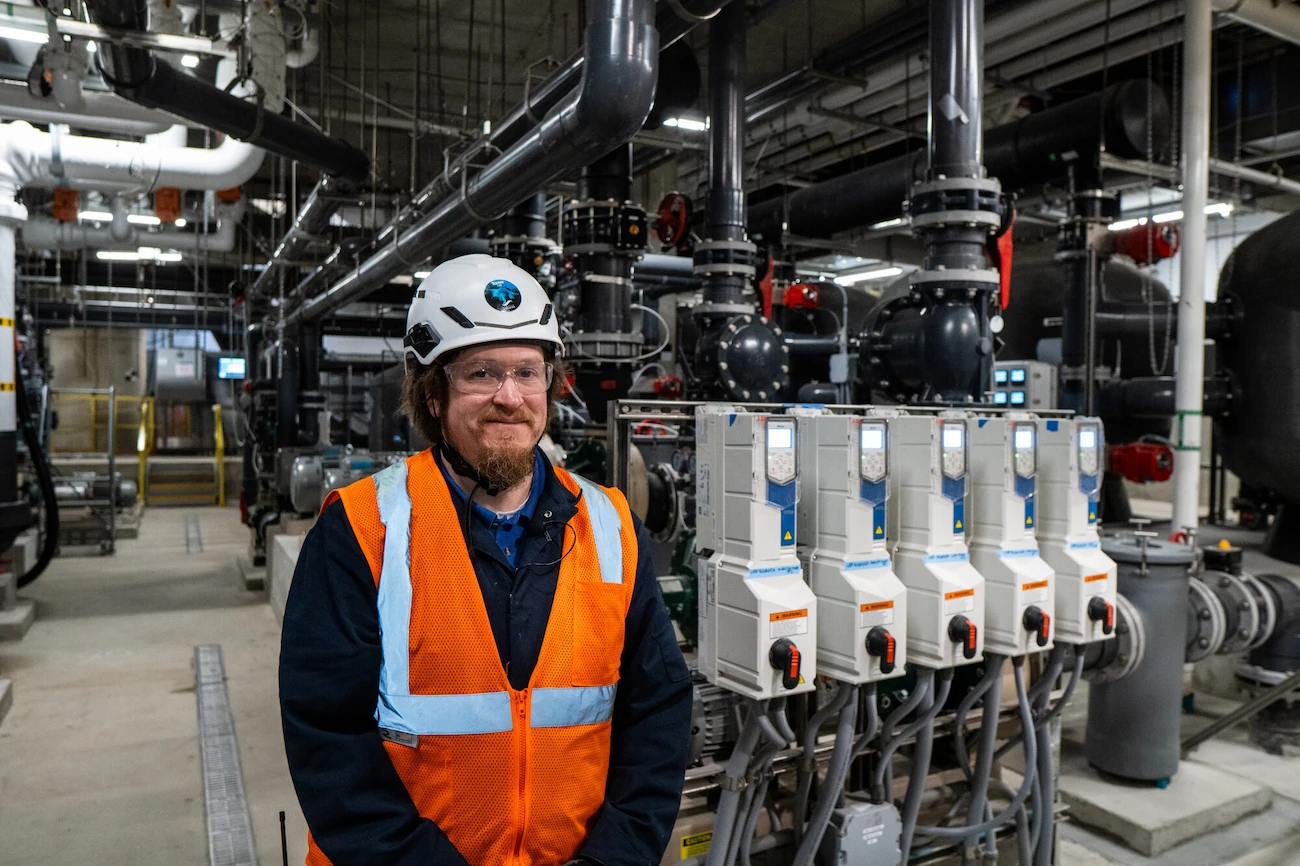
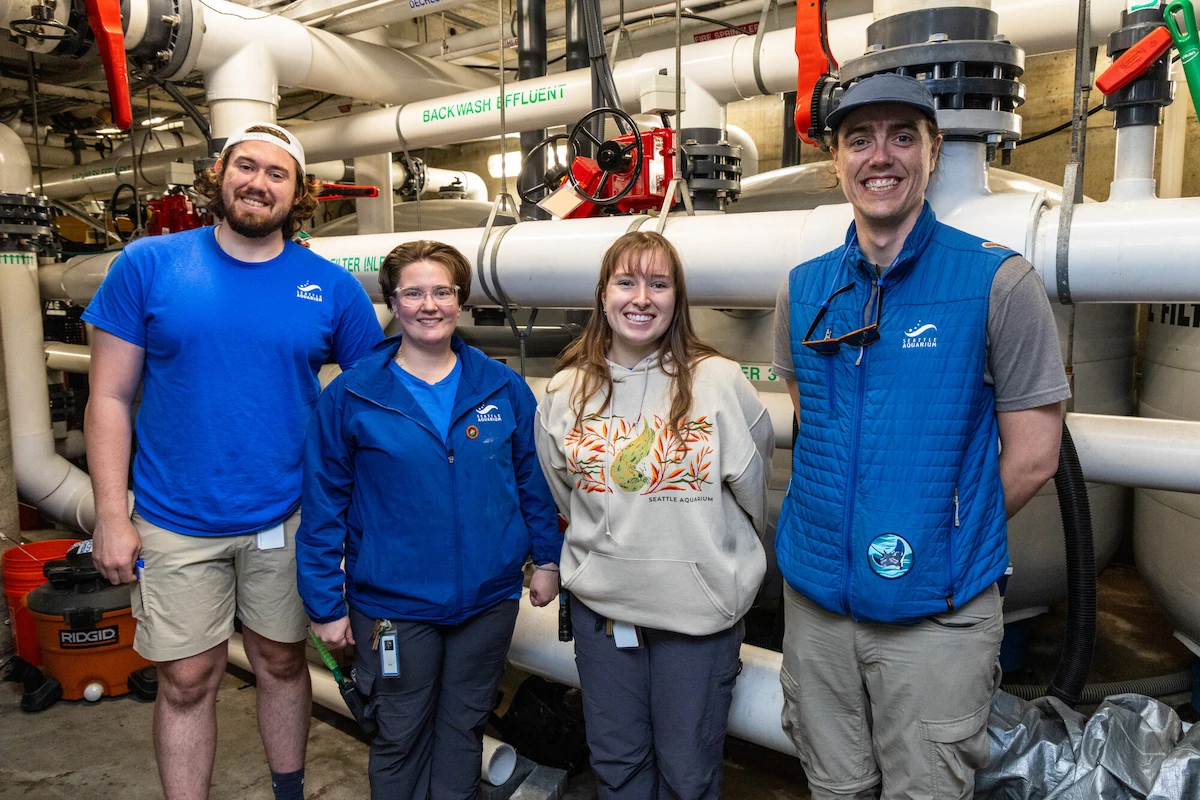
Around the clock, every day (and night!) of the year, our dedicated Engineering team works behind the scenes, across all three buildings of our campus, to ensure that water is flowing smoothly to and from our habitats. In partnership with our Animal Care team, they also maintain the complex life support systems that keep the animals in our care healthy and thriving.
It’s these experts who are leading our header replacement project—a tremendously important update that supports animal wellbeing and sustainable operations. We thank them for their dedication and hard work!
And, the next time you visit the Aquarium, pause a moment at the Crashing Waves habitat, the touch pools or the birds and mammals areas. Close your eyes and inhale. Will you detect the briny aroma of seawater? We think you will—and now you’ll know where it came from: directly below our pier, thanks to our newly updated header and the teams who worked to install it.