WORKING TO RECOVER ENDANGERED SPECIES AROUND THE WORLD
The Seattle Aquarium’s species recovery program puts our expertise in animal welfare, research, field conservation, ocean policy and social change to work to help species facing extinction. Sometimes species need direct assistance to recover from human impacts, in addition to resource management and protected areas. Together with dozens of partners, we’re helping to recover endangered species—both here at home and across the world—in two ways:
- Reintroduction—in other words, breeding, rearing and releasing endangered species to reestablish wild populations.
- Participation in the International Union for Conservation of Nature (IUCN) Species Survival Commission specialist groups and government-led efforts to advance integrated conservation planning and action worldwide.
A Global Effort
Integrated conservation planning is only successful through collaboration with community members and partners worldwide, with a particular focus on locations where the species once lived or a current population persists. These recovery efforts are actively promoted by the IUCN. Through our program, we work with Indigenous peoples, governments, academic institutions, fellow aquariums, NGOs, tourism operators and for-profit companies. The benefits of working in partnership with experts and communities from around the world are exponential:
- Bringing together people from varied industries and with diverse perspectives catalyzes innovative, enduring solutions and cultivates community connections.
- Building local capacity and expertise helps propel future conservation programs led by local leaders.
- These partnerships will help increase public understanding of and engagement in species conservation.
Species we're Helping
Recovering xʷč’iłqs (pinto abalone)
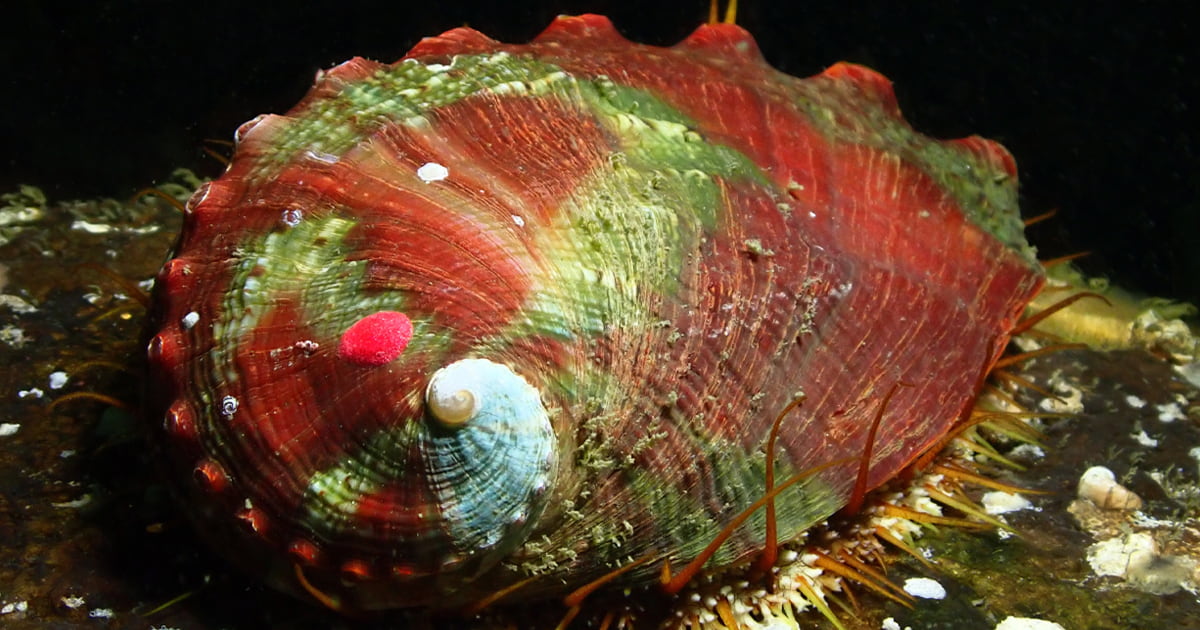
In 2020, we joined Puget Sound Restoration Fund, Washington Department of Fish & Wildlife and others to recover xʷč’iłqs, which is Lushootseed for pinto abalone (Haliotis kamtschatkana). xʷč’iłqs is the only abalone species found in Washington waters and has cultural significance to local Indigenous peoples. Globally, pinto abalone are listed as Endangered on the IUCN Red List of Threatened species. Together with our partners, we aim to restore local populations of this species.
Photo: Adult pinto abalone, courtesy of Washington Department of Fish & Wildlife.
Recovering endangered sharks and rays
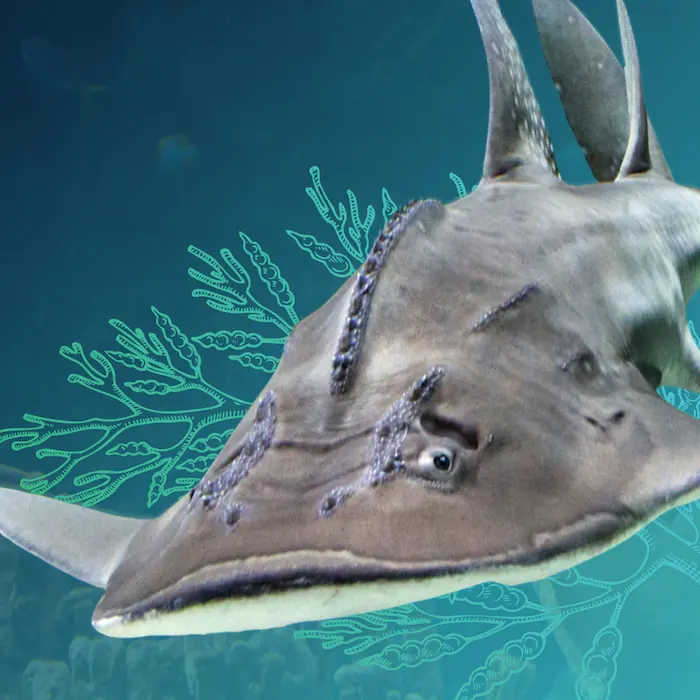
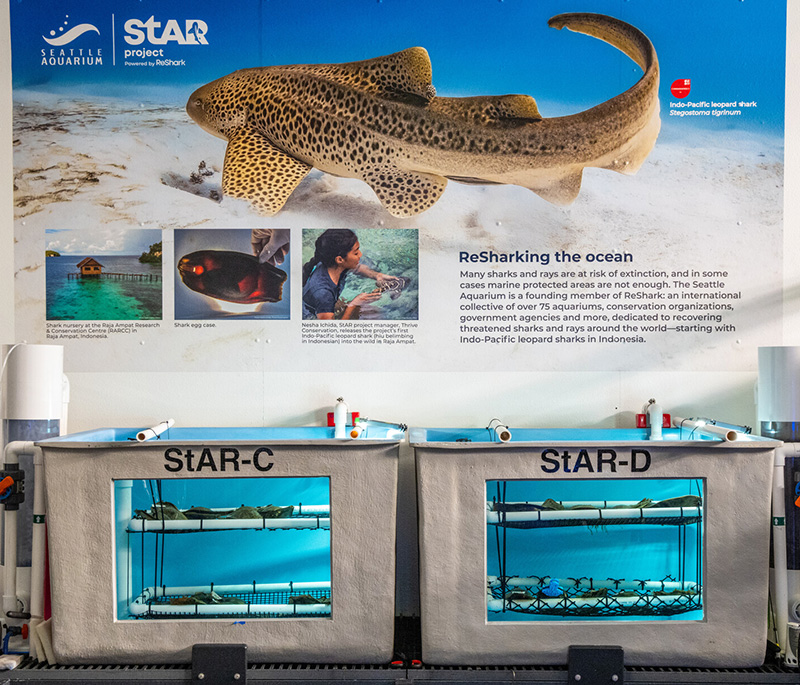
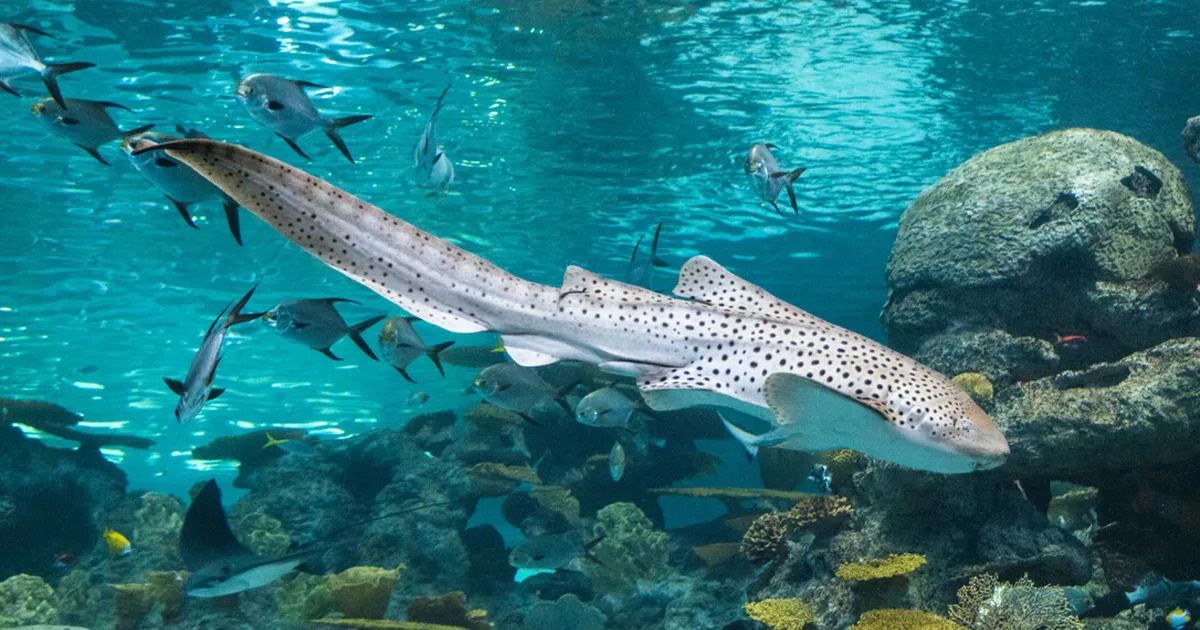
In 2020, we helped launch a first-of-its-kind global coalition—ReShark—to restore endangered shark and ray populations. ReShark includes 70+ nonprofit, academic and government partners. The coalition’s first project is to recover Indo-Pacific leopard sharks (Stegostoma tigrinum) in Indonesia. This species is critical to the health of its whole ecosystem, but its numbers have dramatically declined in recent years.
Today, the Seattle Aquarium is the West Coast hub for transporting Indo-Pacific leopard shark eggs to Indonesia, where the resulting pups are reared and released into protected waters.
PART OF A LARGER CONSERVATION PICTURE
In addition to these initiatives, we’re also focused on research to advance our three conservation priorities: climate resilience, clean seas and sustainable seas (learn more on our research webpage); and to increase understanding of and protections for marine populations.