Our Shared Ocean
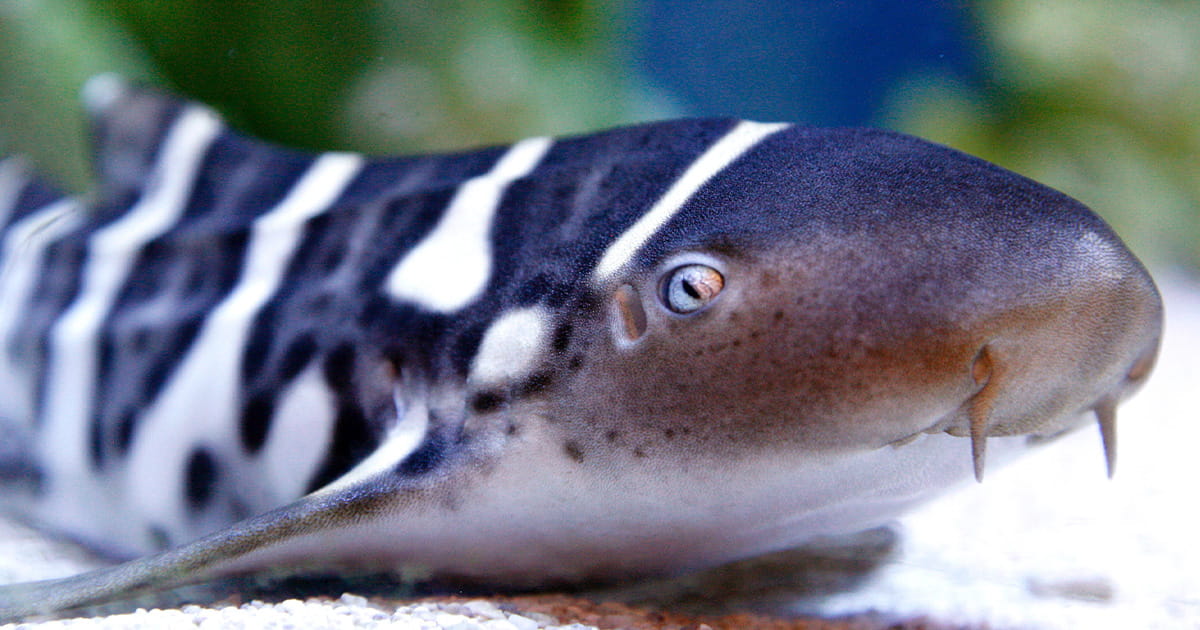
Ocean health is global. When marine animals become extinct, ecosystems are disrupted. And, because all waters are connected, the ripple effect of these losses eventually impacts everyone. That’s why the Seattle Aquarium is collaborating to restore endangered sharks far from the Salish Sea, in a part of the western Pacific Ocean known as the Coral Triangle.
Population Status
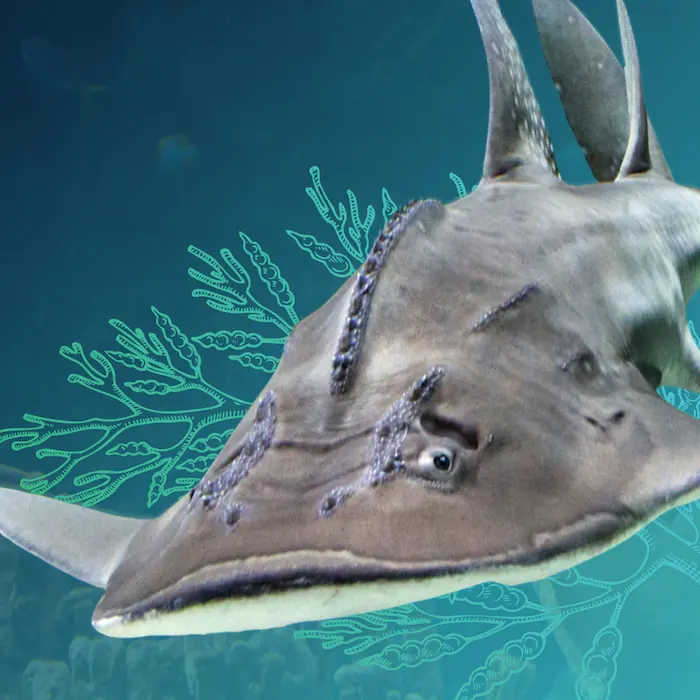
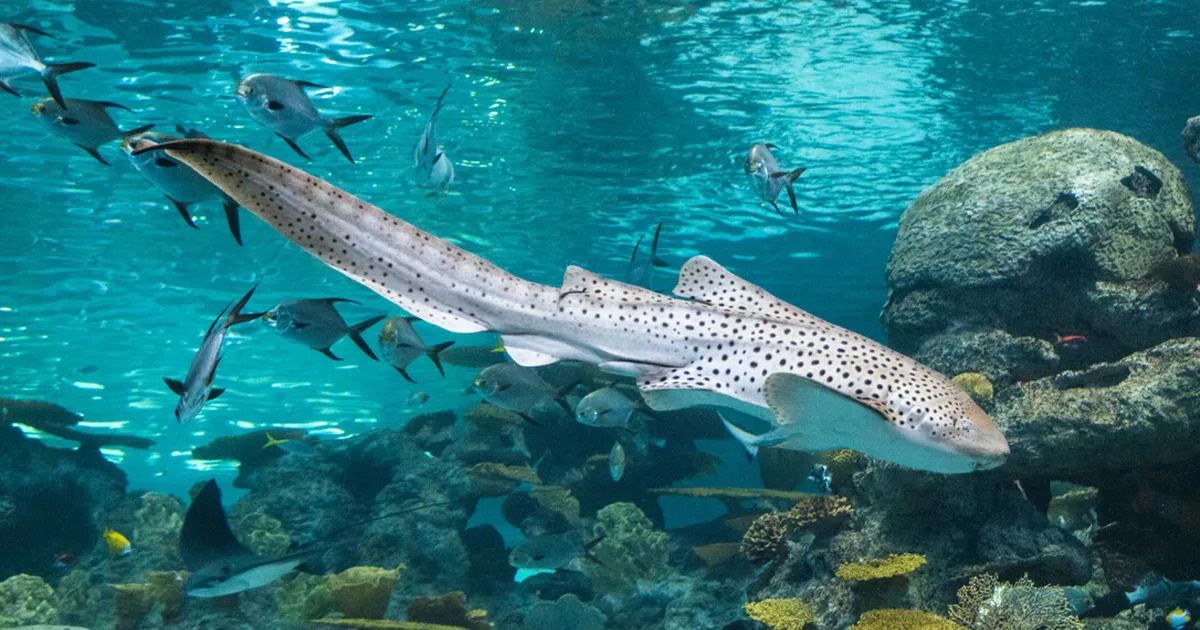
Indo-Pacific leopard sharks (Stegostoma tigrinum) are also called zebra sharks, hiu belimbing and other names. Once abundant in the Coral Triangle, these sharks are now nearly extinct due to overfishing and habitat loss. Like all sharks, they help maintain a healthy food web and are essential to the well-being of their entire ecosystem.
Indo-Pacific leopard sharks haven’t responded to measures that have restored other endangered species, like creating marine-protected areas and banning fishing. What will it take to bring back their numbers? According to leading conservationists—including experts at the Aquarium—the answer is hands-on help.
What's The Plan?
In 2020, the Aquarium—along with partners around the world—launched ReShark, a first of-its-kind international coalition to restore healthy populations of threatened sharks and rays.
The coalition’s first endeavor is called the StAR Project, named for Stegostoma tigrinum (Indo-Pacific leopard sharks). Its goal? Recovering Indo-Pacific leopard sharks in Indonesia. What’s the process? Zoos and aquariums accredited by the Association of Zoos and Aquariums (AZA) allow sharks already in human care to breed, then transport the resulting eggs to nurseries in Indonesia. Once hatched, the sharks are reared, tagged and released into their protected home waters.
As the coalition’s name suggests, the goal—quite literally—is to “reshark” the ocean by restoring healthy, genetically diverse and self-sustaining populations. An equally important goal is ensuring that this process is culturally respectful, co-designed and mutually implemented with local leaders in the countries where the work takes place.
INDO-PACIFIC LEOPARD SHARKS AND THE SEATTLE AQUARIUM
Our recent expansion provided the resources for our full participation in this collaborative effort. Our off-site Animal Care Center provided the space for us to become the West Coast transport hub for Indo-Pacific leopard shark eggs en route to Indonesia. And the opening of our Ocean Pavilion in 2024 provided the resources needed to eventually breed the Indo-Pacific leopard sharks in our care, with the hope that, after they mature, we may be able to contribute their eggs to the ReShark effort.