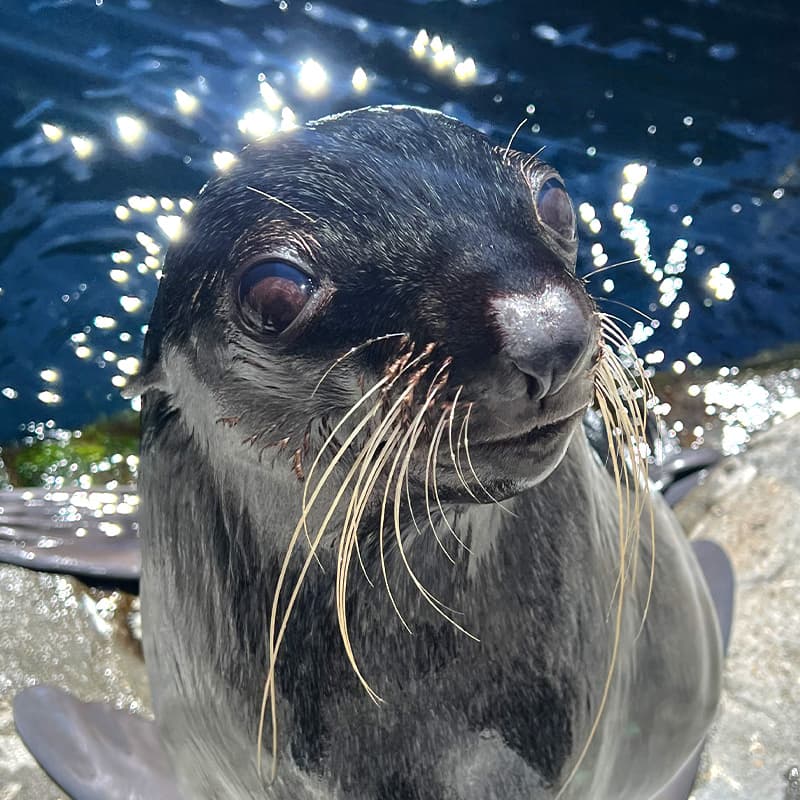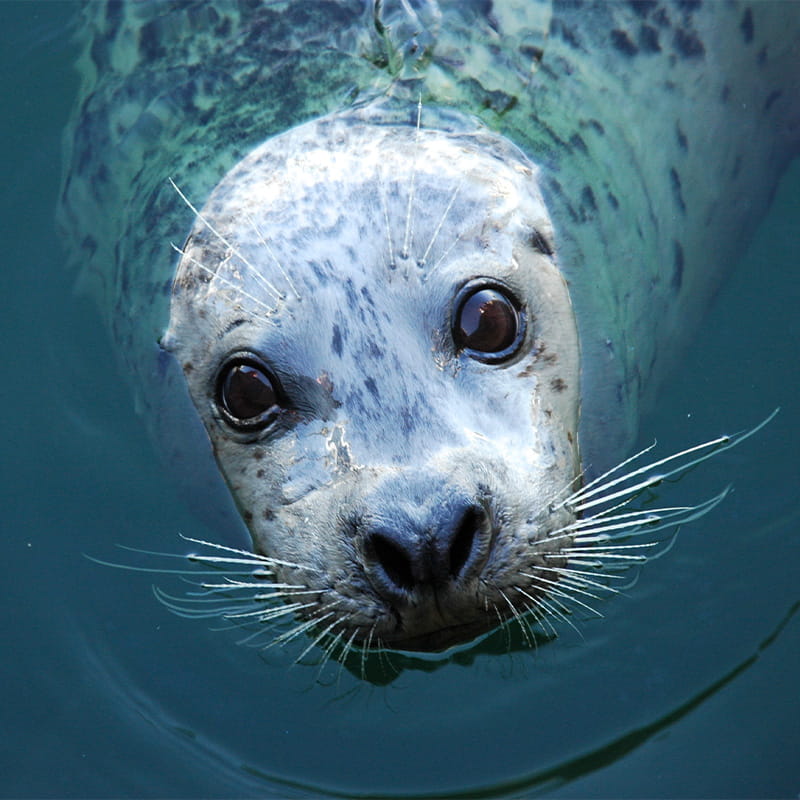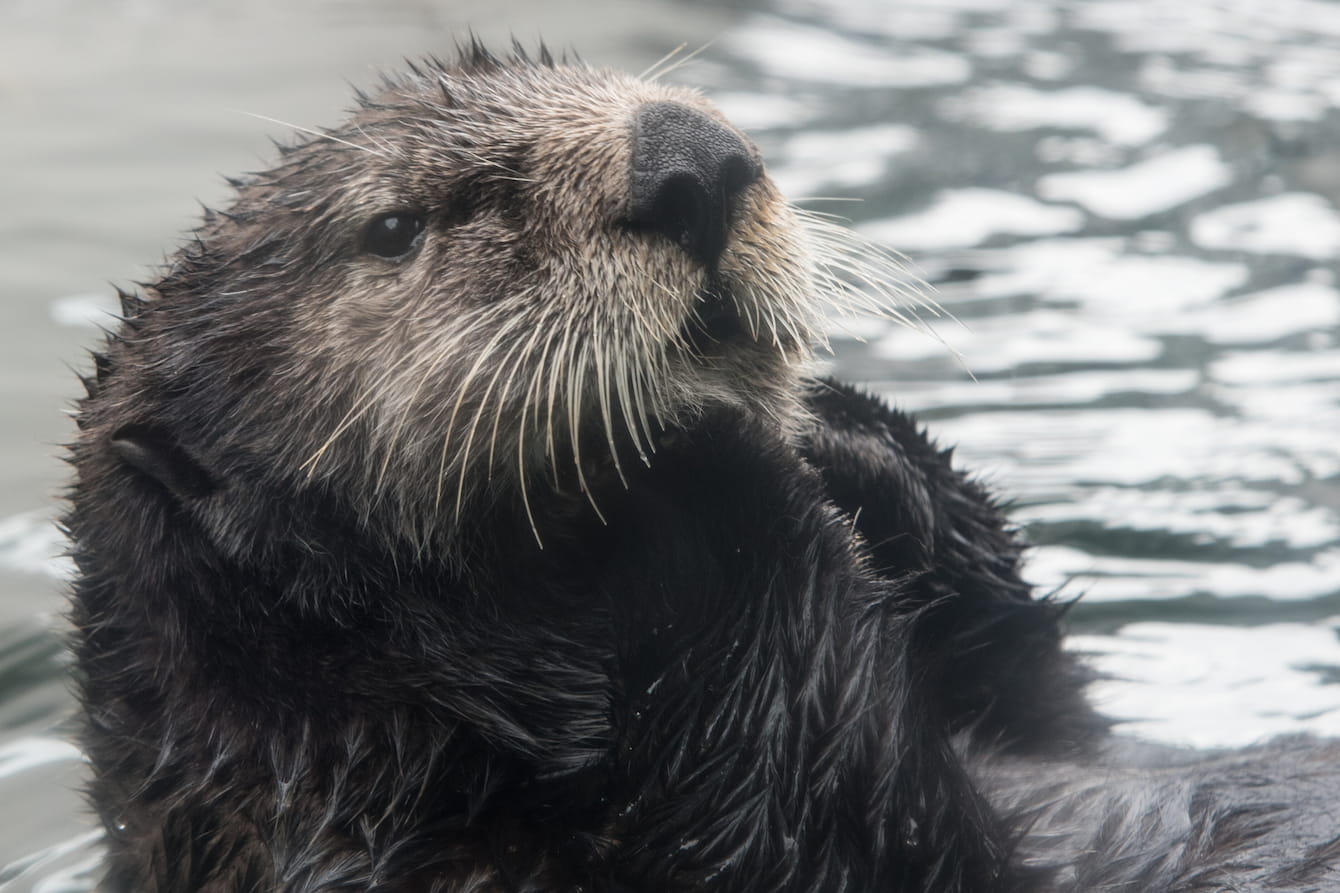
Mishka
Mishka (pronounced "MEESH-kah") joined us in January 2015, after being caught in a fishing net as a young pup, then being rescued and rehabilitated by the Alaska SeaLife Center and deemed non-releasable by the U.S. Fish & Wildlife Service.
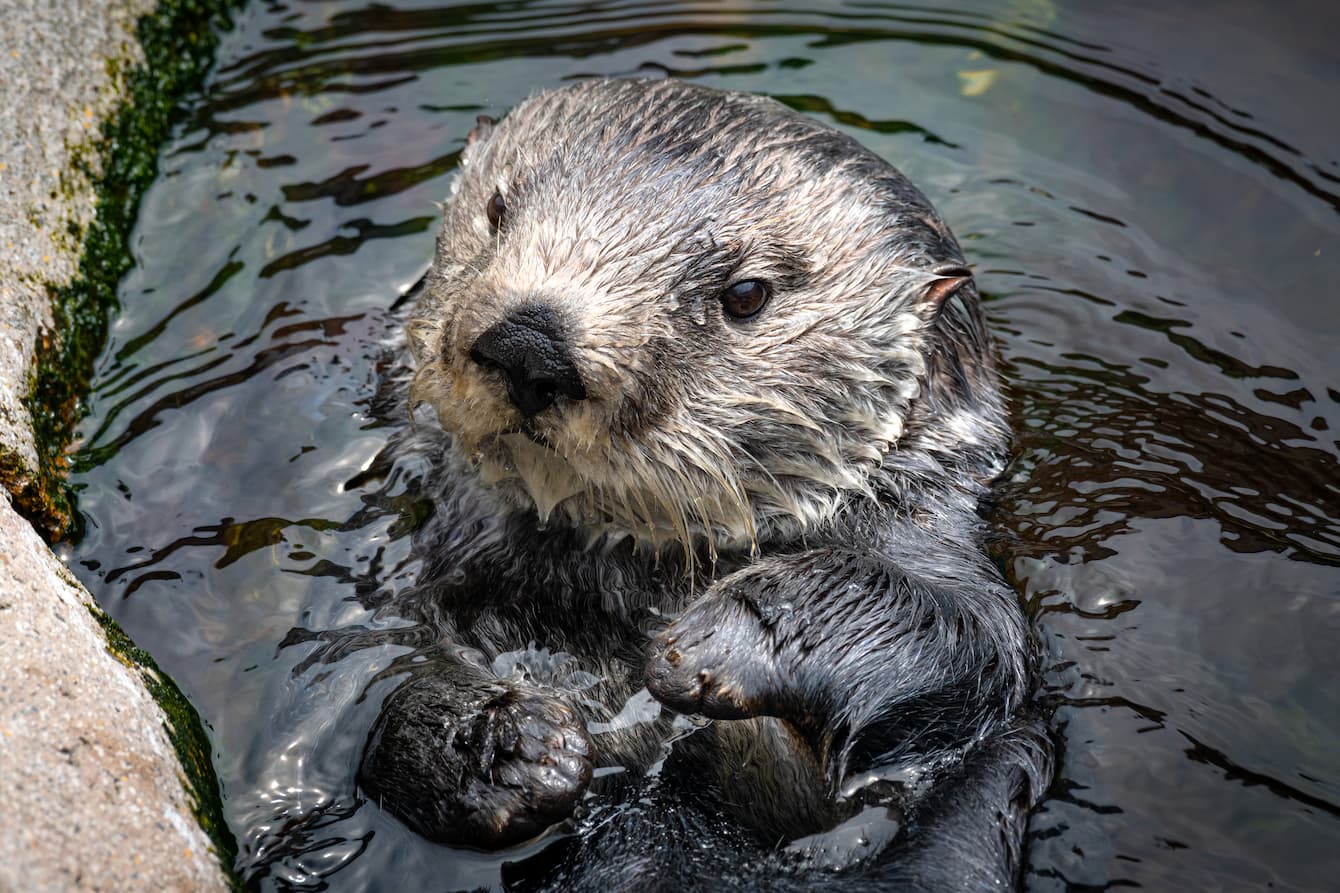
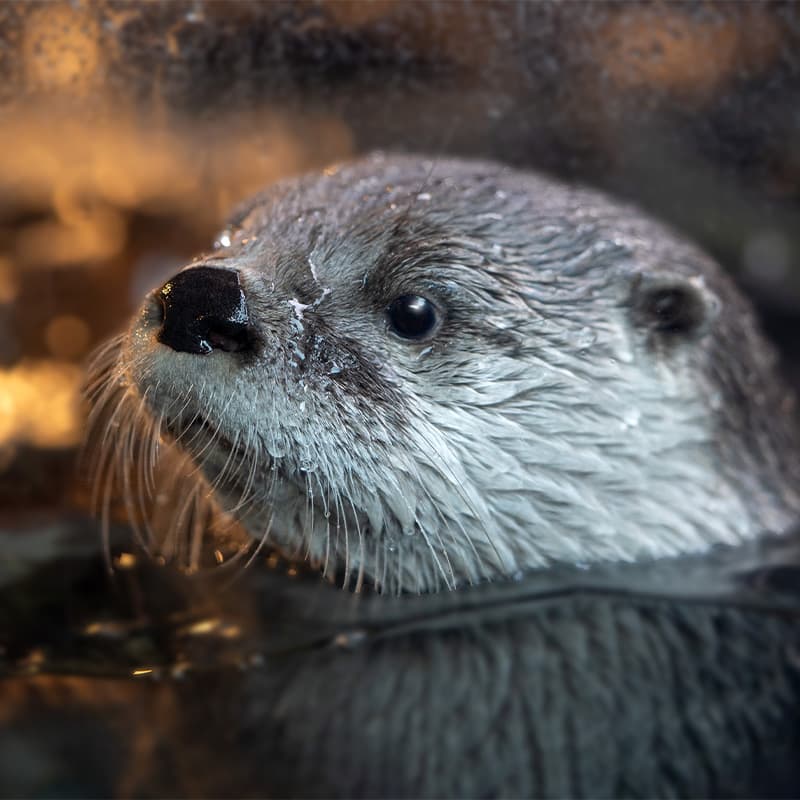
Ruby
Ruby, a southern sea otter, was found, stranded, as a newborn pup in September 2015. At just 1.9 pounds, she was one of the smallest pups her rescuers had ever seen. Rehabilitated by Monterey Bay Aquarium and ultimately deemed non-releasable, she came to us in 2025.
Photo © Monterey Bay Aquarium
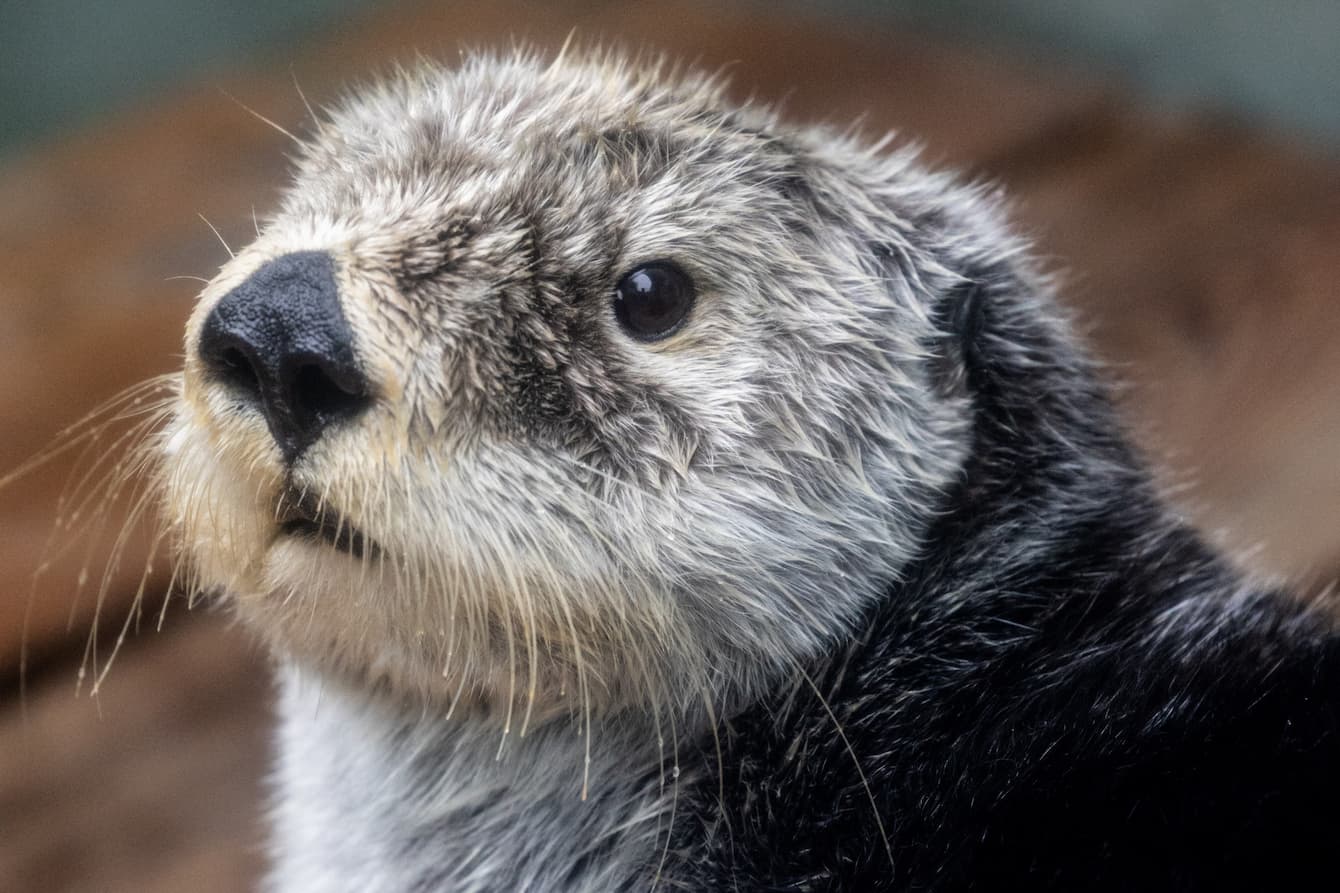
Sekiu
Sekiu (pronounced "SEE-cue") was born at the Seattle Aquarium on January 14, 2012. She was the 11th pup to be successfully born here, and the last sea otter born in a zoological facility in the United States. After being transferred to the Point Defiance Zoo & Aquarium in 2017 to be a companion for their sole female at the time, she returned to us in 2021.
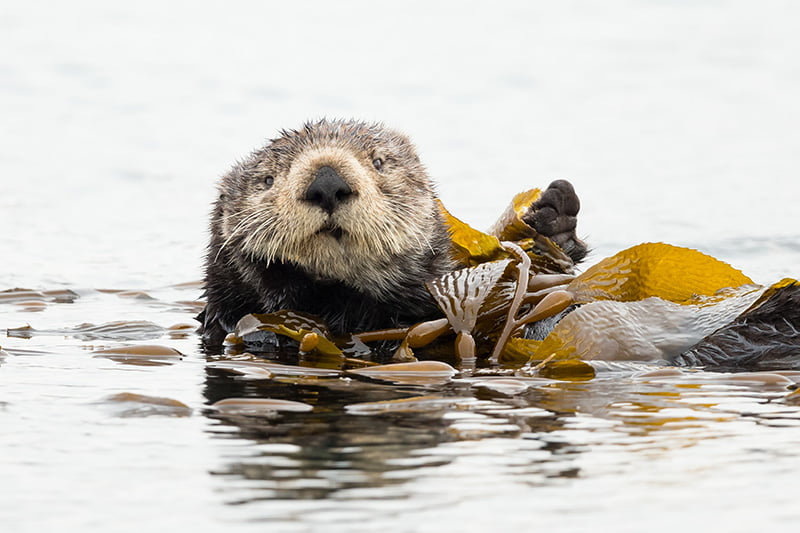
Home, sweet home
In the wild, most sea otters—both northern and southern—live in rocky coastal habitats near points of land where some of the areas are protected from wind and waves. In the world of sea otter real estate, a nearby kelp bed is an added bonus!
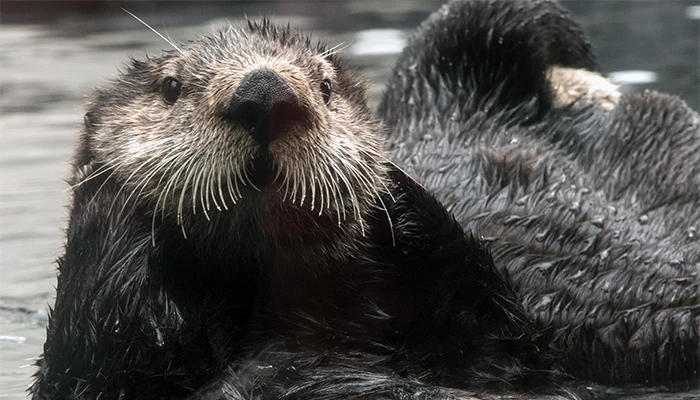
Making a (slow) comeback
Hundreds of thousands of sea otters once lived along the coastal Pacific—from Baja California in Mexico to the west coasts of the United States and Canada, and northward to the Aleutian Islands, Russia and Japan. That was before fur traders started hunting them for their thick, luxurious pelts in the late 1700s. By the early 1900s, sea otters were nearly extinct: less than 2,000 remained. The international Fur Seal Treaty of 1911 stopped further exploitation of sea otters, as did the 1972 Marine Mammal Protection Act. Their numbers are now on the rise, but nowhere near their previous levels.
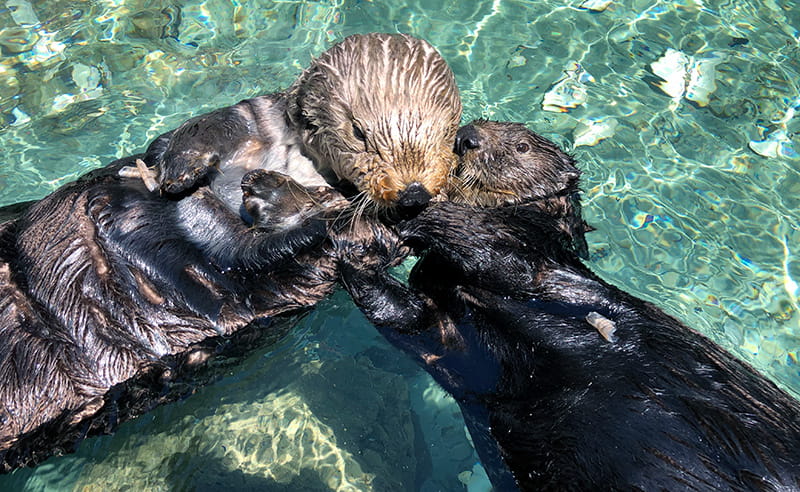
Wanna hold hands?
In the wild, sea otters sometimes “hold hands”—or, more accurately, paws—while sleeping so they don’t drift away from their raft (the term for a group of resting sea otters). While charming to think about, this paw holding doesn’t actually happen that frequently. Large rafts of sea otters in the wild are more likely to stay together by watching each other, listening for each other, and casual body contact—then adjusting movements of their tails and rear flippers to maintain proximity. Paw holding is most likely a learned behavior specific to certain individual sea otters, who may find it comforting. Awwww.
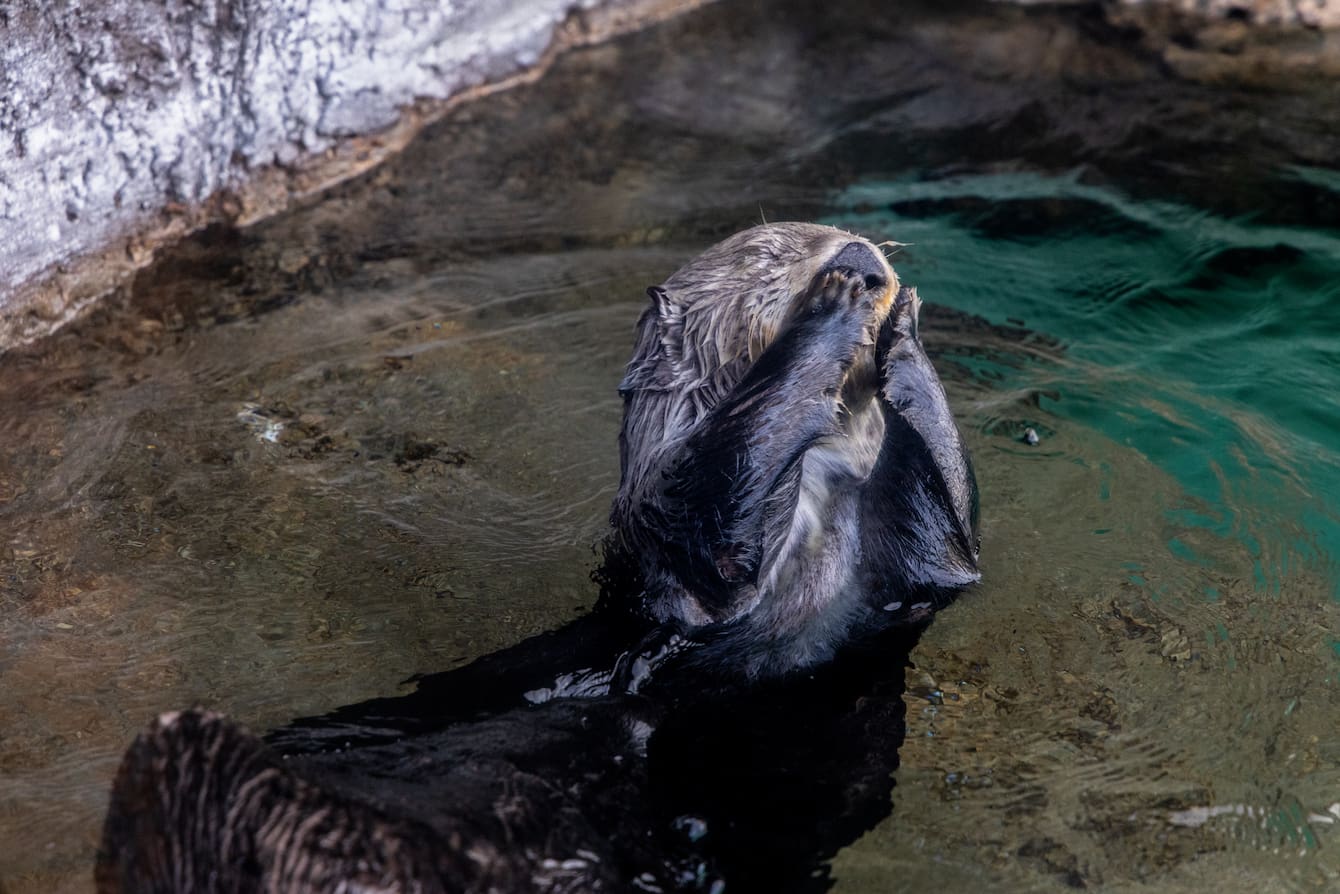
More than just good, clean fun
Sea otters spend about 15 percent of each day grooming their fur by rolling and whirling in the water to remove food scraps and debris. They rub, comb and rake their fur with their forepaws and lick it with their coarse tongues.
And they’re not just doing it to look good! As the only marine mammals without a blubber layer, they need that fur (the densest of any animal on Earth!), as well as their high metabolisms, to stay warm in the cold waters of the North Pacific.
The fur insulates their bodies by trapping tiny air bubbles and keeping a layer of air between the outer surface and their skin. If the fur becomes dirty, it loses its insulating qualities, allowing water to penetrate all the way to the skin.