There’s even more to discover this year at the Seattle Aquarium’s Ocean Pavilion. Just over two years after opening, we’re expanding the activities offered in the second-floor Discovery Lab. These programs are designed to engage anyone—from kids to parents to longtime ocean enthusiasts—in marine conservation.
The Discovery Lab, a flexible programming space near the Animal Care area, is a spot where guests can engage with staff and enjoy hands-on marine conservation activities.
“We’ve seen a very high level of engagement,” said Nicole Killebrew, manager of Visitor Engagement. “Folks are inclined to stop and ask what’s going on and initiate engagement. And I think that the way that the activities are being facilitated is allowing us to dive more deeply into some of the conservation stories.”
The first four programs launched in July, with six additional activities set to debut later this year.
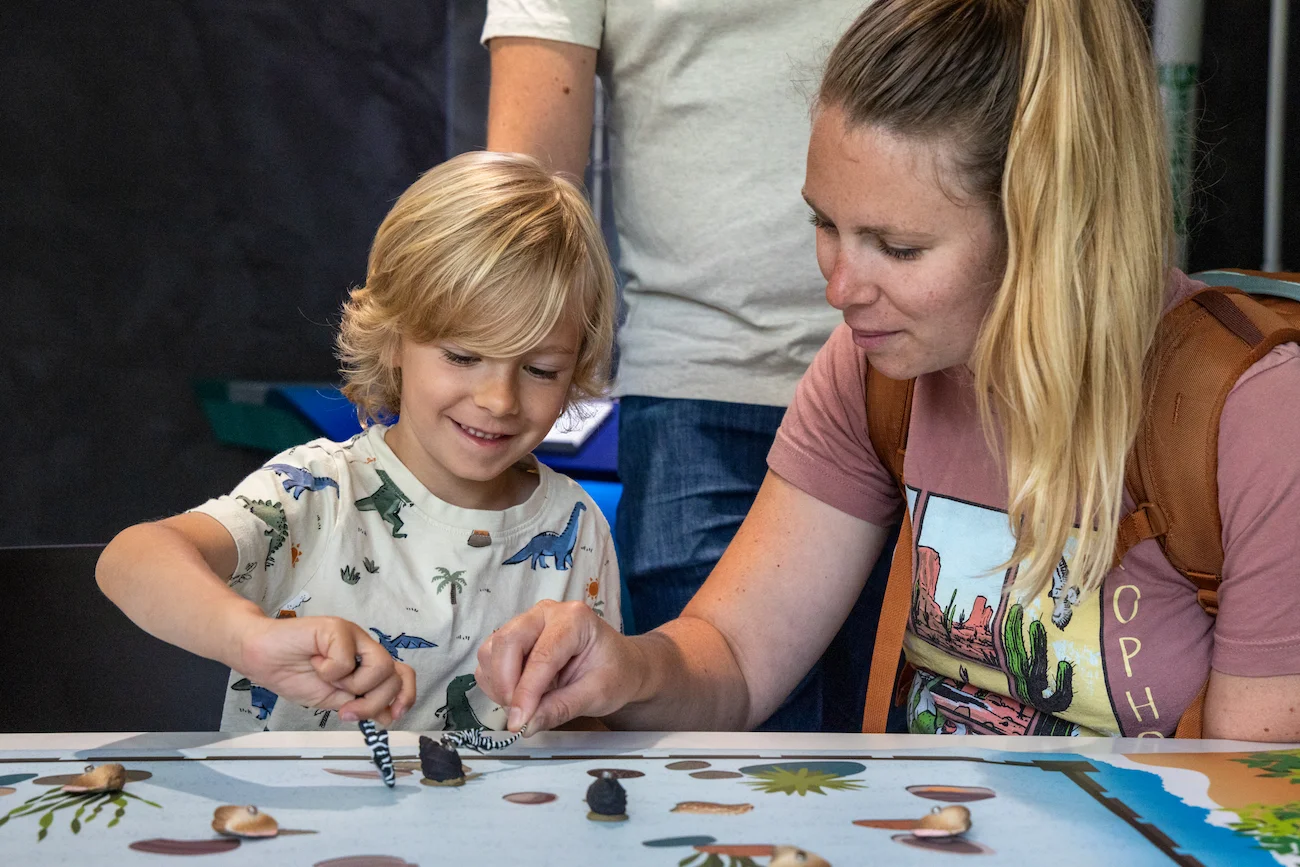
Each activity invites guests to step into the role of either a reef dweller or someone who works in marine conservation, opening the door for conversations about empathizing with ocean creatures and the steps each of us can take to help them out.
These programs were thoughtfully designed with input from staff who interact with Aquarium guests daily. The highly adaptable activities are a fit for guests of all ages—including first-time visitors and those who have been coming to the Aquarium for years.
“One of the biggest joys has been how much our adult visitors have enjoyed these programs, as well as the kids! Many of my interactions start by talking to the children, and then I realize their parents are just as curious,” said Jessica Colla, a marine science interpreter who works in the Discovery Lab.
Jessica recently connected with a family who spent over an hour in the space, enjoying different activities and learning about research, but that wasn’t enough for them. The child wanted to come back to the Aquarium—as a volunteer, once old enough!
Can’t wait to dive into these new activities? Keep reading for a sneak peek.
Become a “shark nanny”
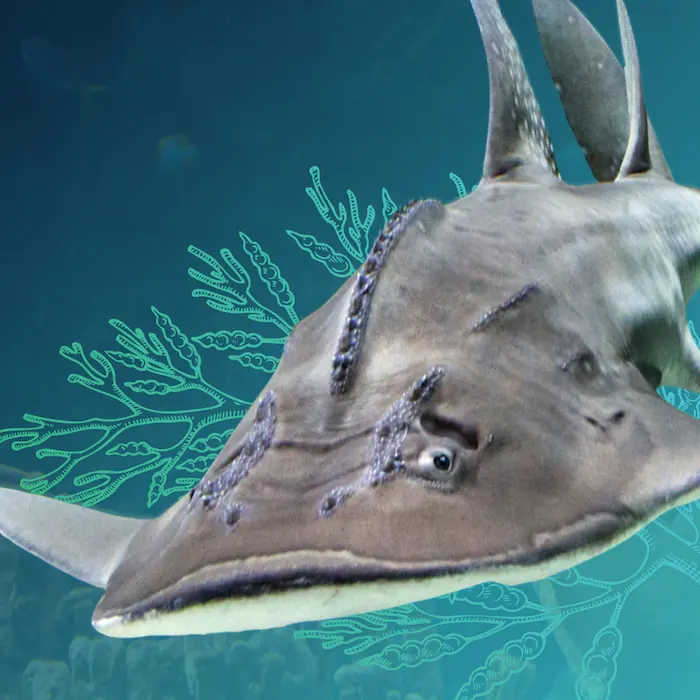
Step into the shoes (or fins) of a caretaker for Indo-Pacific leopard shark pups.
You’ll be modeling an important role in the STaR project, a global species recovery effort co-founded by the Seattle Aquarium and named after the scientific term for Indo-Pacific leopard sharks: Stegastoma tigrinum Augmentation and Recovery. Its goal is to help recover wild populations of these endangered sharks. The hands-on aquarists involved with the project refer to themselves as shark nannies. And now, Aquarium guests can too!
This program takes guests through the early life of an Indo-Pacific leopard shark, starting from the egg stage, featuring the real egg casing of Oatmeal, an Indo-Pacific leopard shark born at our facility who now lives in The Reef, the Ocean Pavilion’s largest habitat.
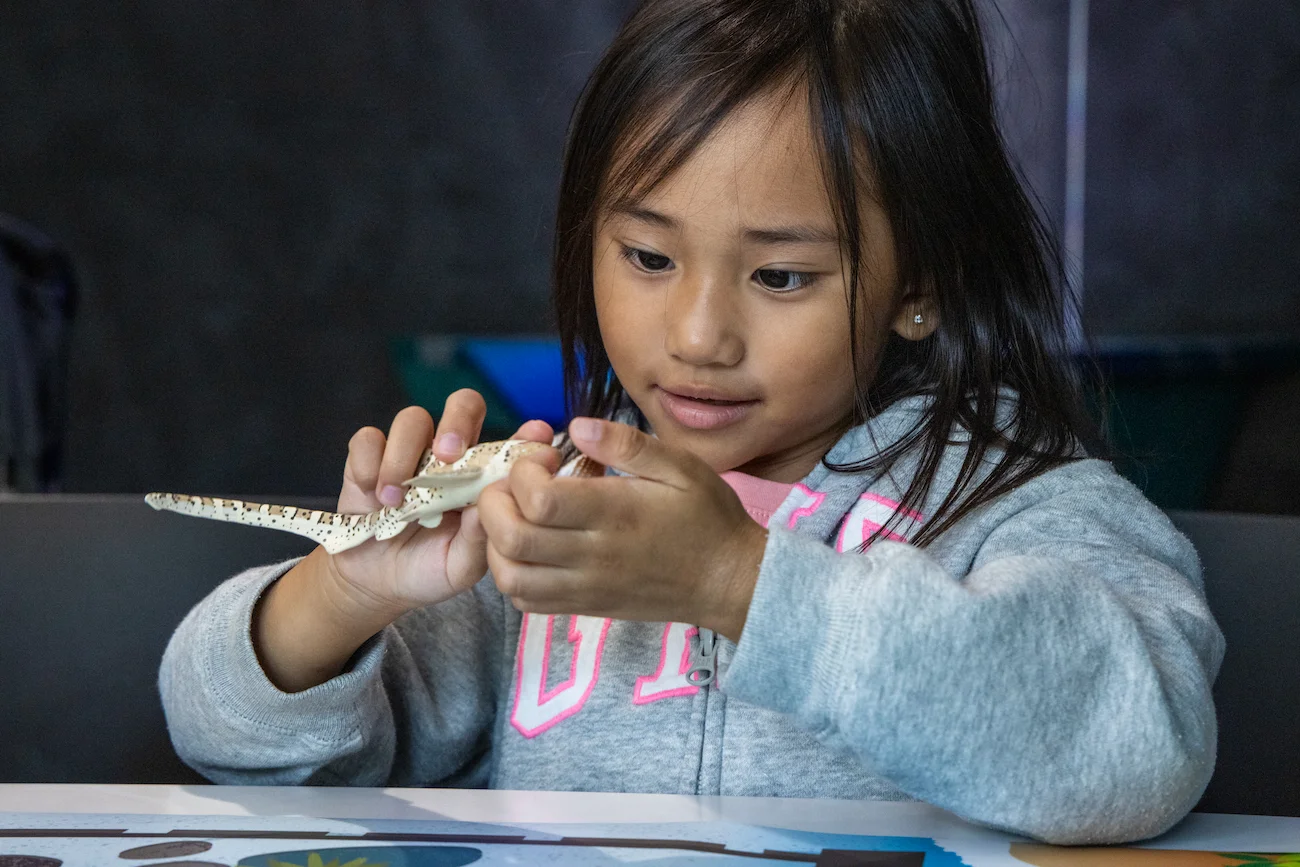
Just like a real shark nanny, guests will help baby sharks mature and grow independent. Using an interactive model of a sea pen, guests will gather clams and snails for the sharks to hunt. Guests can also learn about how these sharks are released into the wild and even practice “tagging” a shark plushy.
This activity is a great way to directly connect with the Aquarium’s global marine conservation work and learn more about the vital roles sharks play in the world’s one ocean.
Sam McNeely, a marine science interpretive diver who helped develop the shark nanny activity, recently had two young guests visit him at the Discovery Lab. After the guests enthusiastically gathered food for their sharks and learned to identify their patterns, Sam encouraged the girls to give their shark pups names.
“They named them after themselves,” Sam said. “This gave them a sense of belonging and purpose in caring for their shark and the recovery of the species, just like it does for the real shark nannies.”
A cool coral card game
Do you have what it takes to be the longest-lasting coral in the reef? Find out in this interactive card game.
Coral reefs are some of the most diverse ecosystems on earth. Despite taking up less than 1% of the ocean floor, coral reefs support 25% of known marine life.
Corals come in a wide variety of morphologies, or structures, from short and flat to tall and branching. Each of these types has its own strengths and limitations.
Players can place their corals in a 3D reef space based on where they think they will thrive. But what happens to a boulder coral when there’s a plankton feeding frenzy? Can a solitary coral weather a storm? Play through as few or as many coral scenarios as you’d like all while learning more about these amazing animals who help build beautiful thriving reefs!
Exploring reef feeding strategies
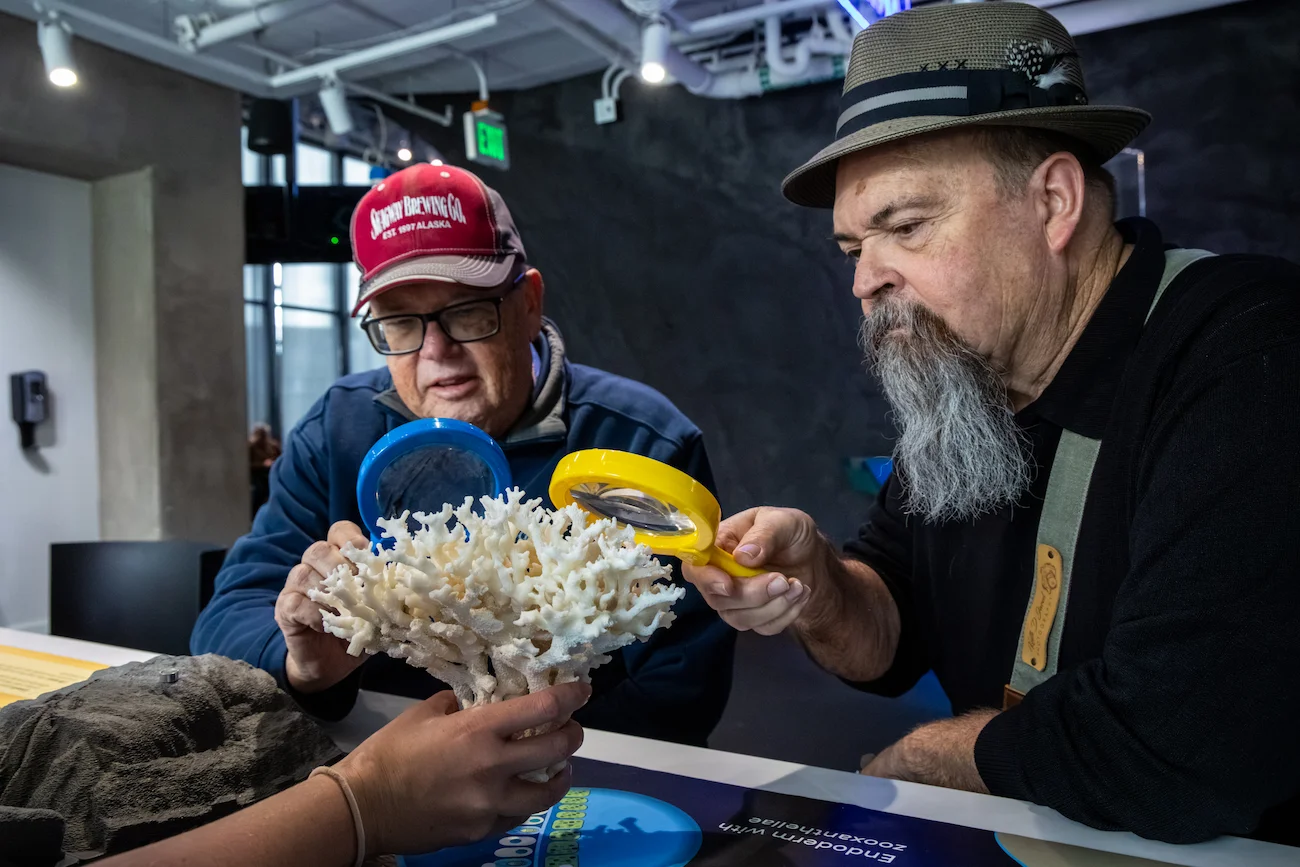
Take a bite out of different feeding strategies in a tropical reef. Explore the ways different animals eat, from suctioning like seahorses to sifting like blueband gobies.
If you’ve got a soft spot for stuffed animals, this is the activity for you! Guests can interact with many kinds of plushies while learning about how their real-life counterparts stuff themselves.
Guests can also directly interact with a moray eel jaw and other items related to feeding. What hints about their diets can we glean from a porcupinefish’s teeth or an urchin’s mouth?
Like all Discovery Lab activities, this program is adaptable to each individual guest. Feel free to lean into whatever interests you most, whether that be a familiar plushy or an animal you’ve never even heard about before.
Build your own habitat
Watch a new habitat come to life before your eyes.
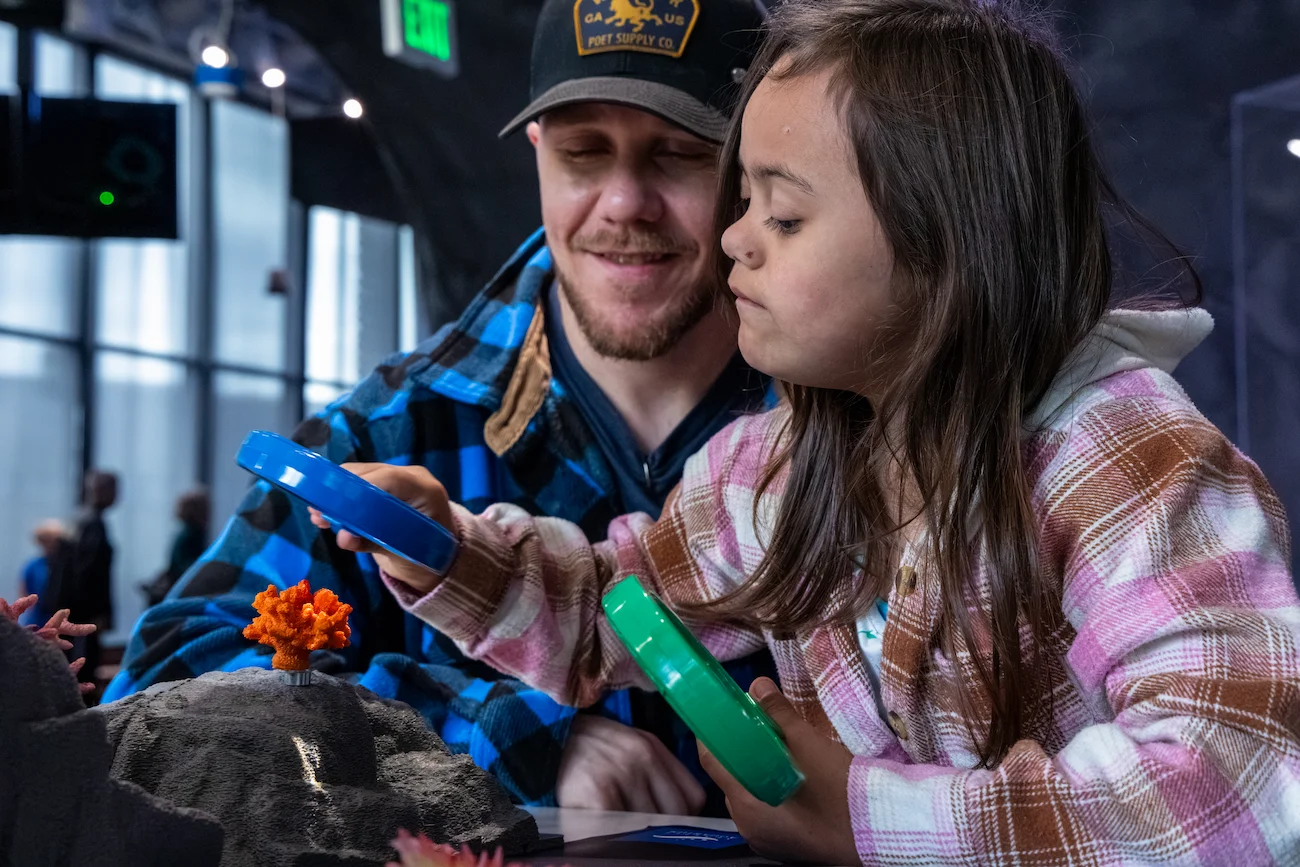
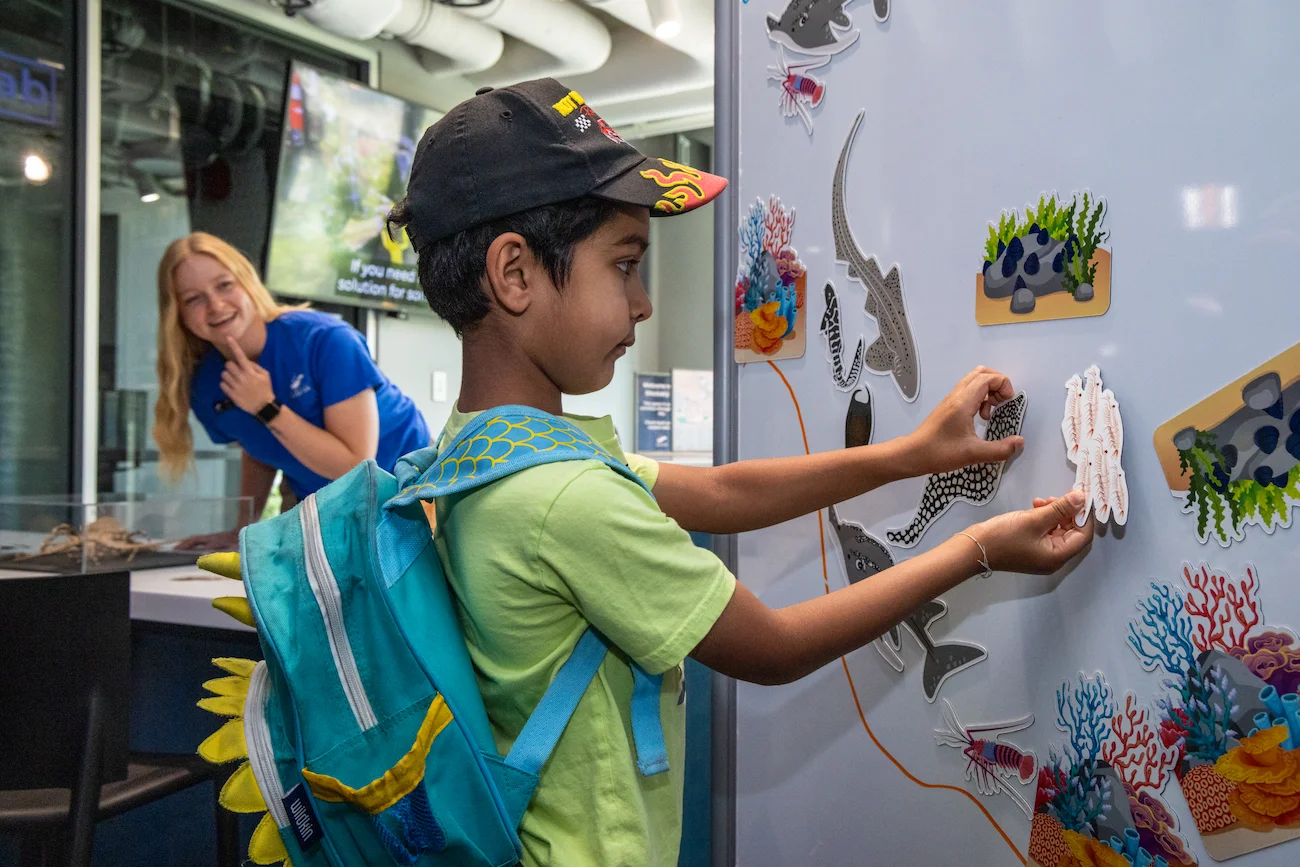
Using custom designed magnets, a whiteboard and their limitless imaginations, guests can design their own habitats. Place plants, animals, people and objects around a tropical environment.
The possibilities are endless in this highly customizable activity. One recent young guest was determined to use all 52 available magnets to create her ecosystem.
“By the end, the whiteboard was just this kaleidoscope of color with animals and corals and mangroves,” Visitor Engagement Manager Nicole Killebrew said.
Through this activity, guests can experience for themselves how all parts of an ecosystem are connected, from towering mangrove trees to miniscule shrimp to humans and our outsized impact.
Discover the fun for yourself
Discovery Lab activities happen between 10am and 4:30pm daily, with some flexibility based on staff availability. There’s no fixed schedule, and activities vary each day—but no matter which you encounter, you’re bound to learn something new about ocean conservation. Check with a member of the Aquarium’s team during your visit to find out what’s planned for that day. It’s always an adventure in the Discovery Lab!
Plan your trip to the Seattle Aquarium to check out the Discovery Lab and immerse yourself in the exciting world of marine conservation. Better yet, consider a membership, so you can come experience the whole range of activities offered in this dynamic space for a full year.
Editor’s note: With gratitude, we recognize Boeing for supporting this expanded programming.