A Washington state local
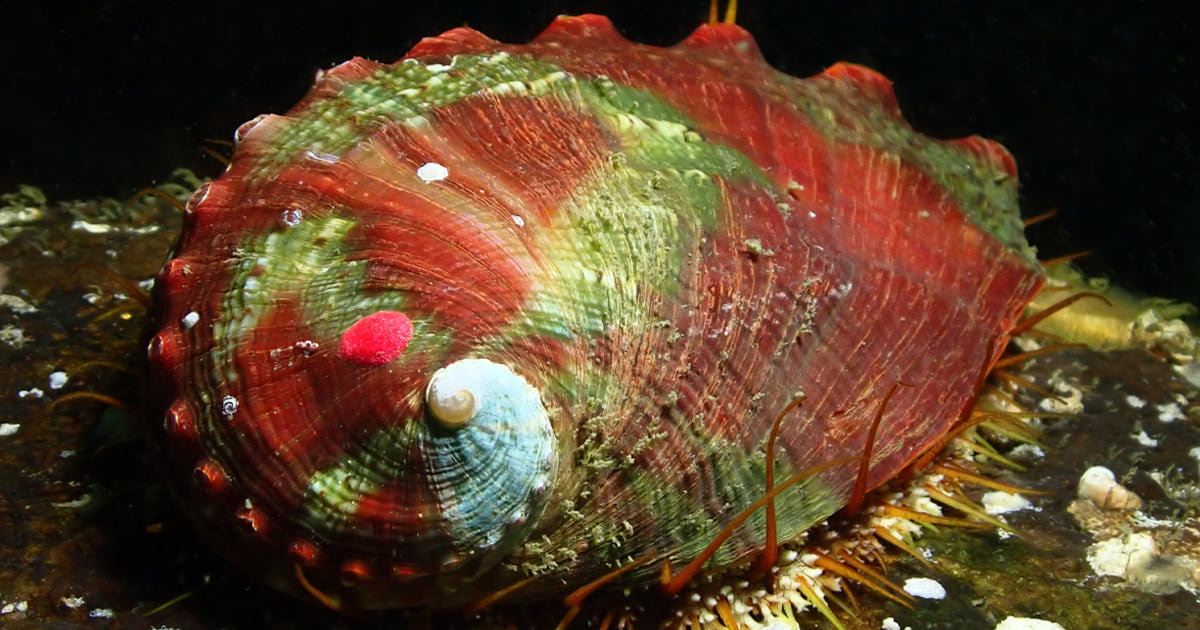
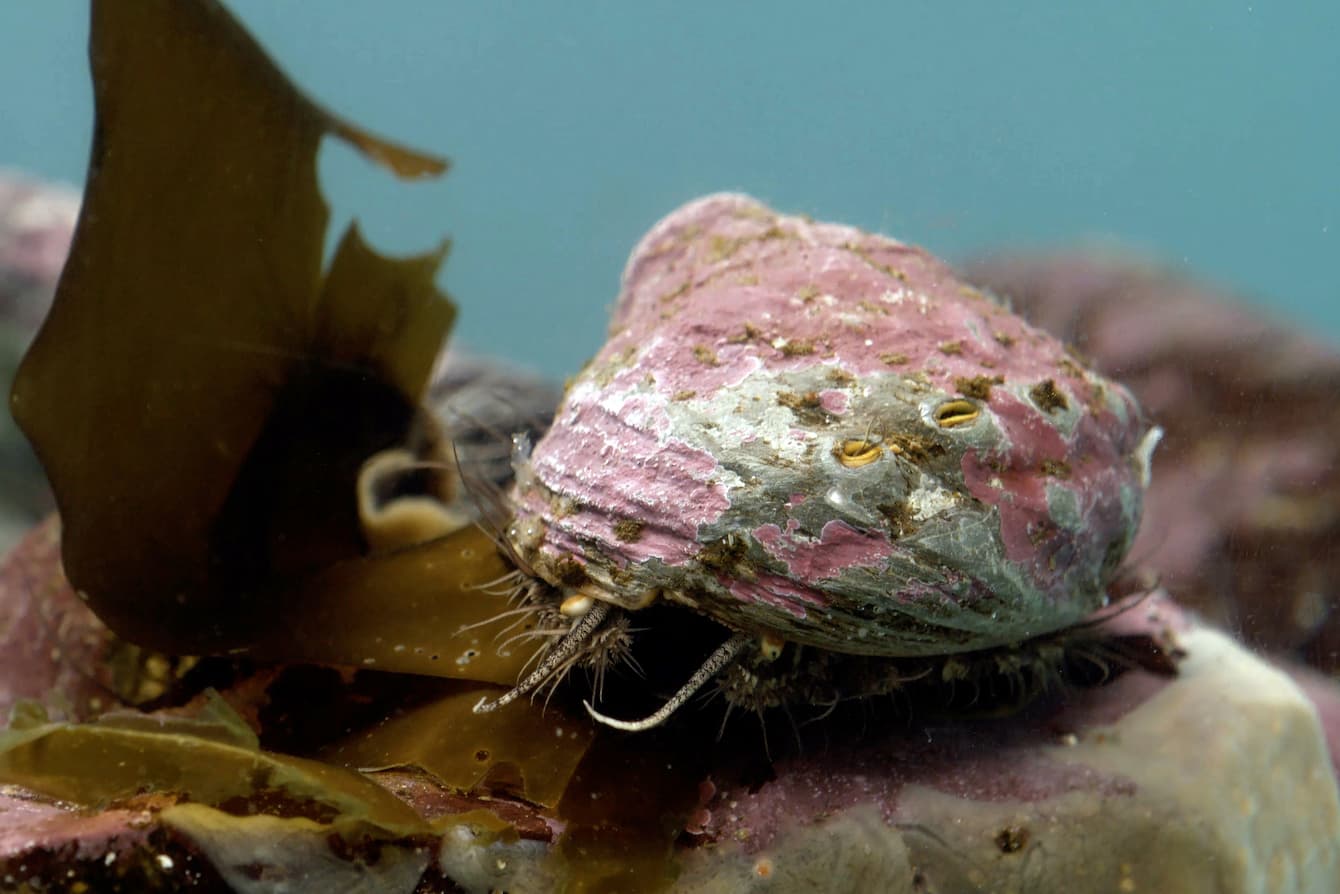
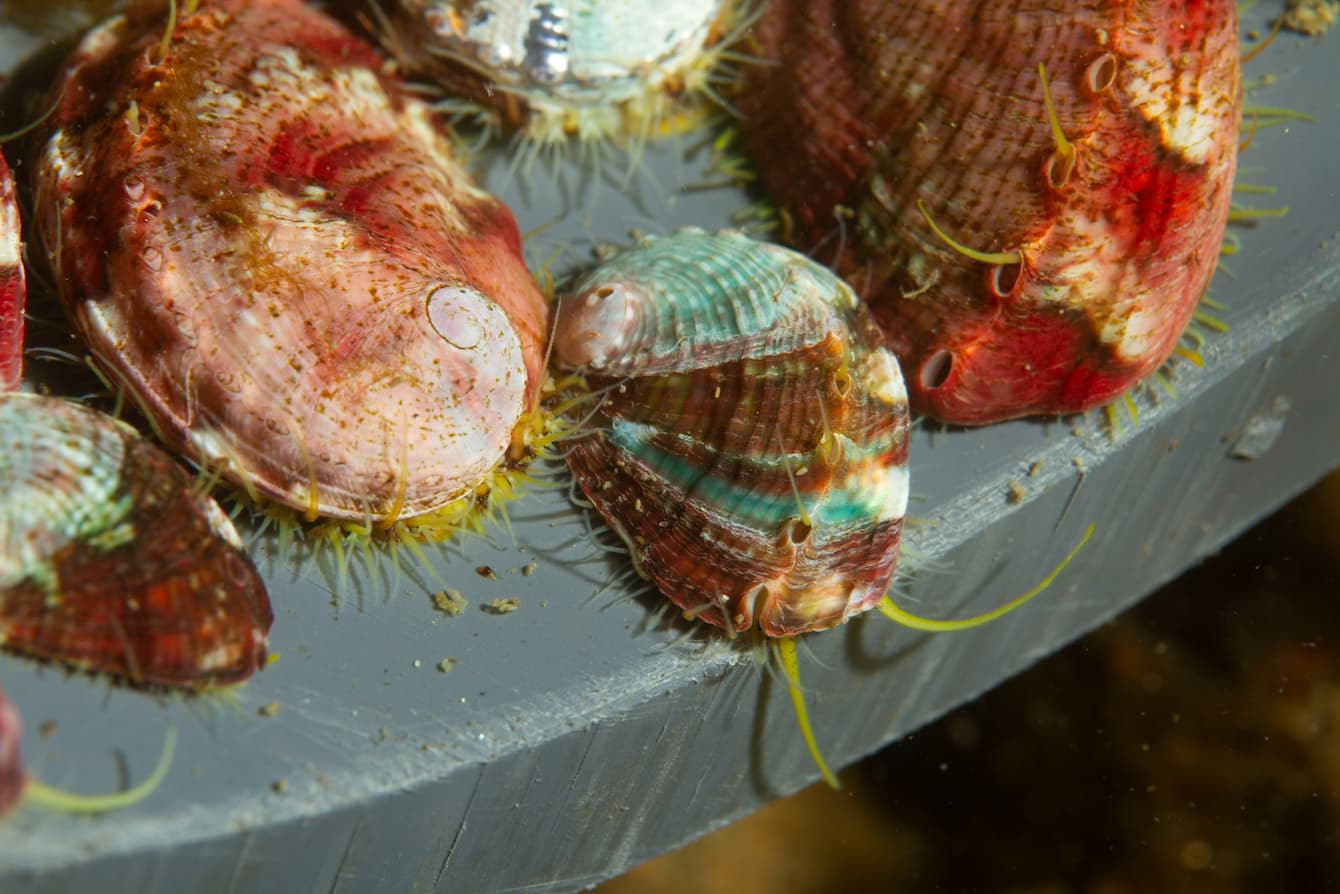
The xʷč’iłqs, which is Lushootseed for pinto abalone (Haliotis kamtschatkana), is the only abalone species found in Washington waters and has cultural and ecological significance. A type of marine snail, pinto abalone graze on rock surfaces, clearing the way for other animals and plants to grow and helping maintain the health of rocky reef and kelp forest habitats. They also serve as a food resource for many marine species during their life cycle, including octopuses, sunflower sea stars and sea otters. This native species is culturally important to local Indigenous peoples.
Population status
Once abundant in the San Juan Islands and Strait of Juan de Fuca, pinto abalone essentially disappeared from Washington waters early this century. From 1992 to 2017, the Washington Department of Fish & Wildlife (WDFW) documented a 97% decline in abalone within 10 fixed survey stations in the San Juan Islands. In 2019, pinto abalone were formally listed as a state endangered species. Check out the FAQ below for why the population decreased as it did. Globally, pinto abalone are listed as Endangered on the International Union for Conservation of Nature (IUCN) Red List of Threatened species.
What's the plan?
In 2020, the Seattle Aquarium joined with Puget Sound Restoration Fund, WDFW, the National Oceanic and Atmospheric Administration, the Port Townsend Marine Science Center, the University of Washington, Western Washington University—as well as the Lummi, Makah and Samish tribes—and other partners to advance pinto abalone recovery in the Salish Sea.
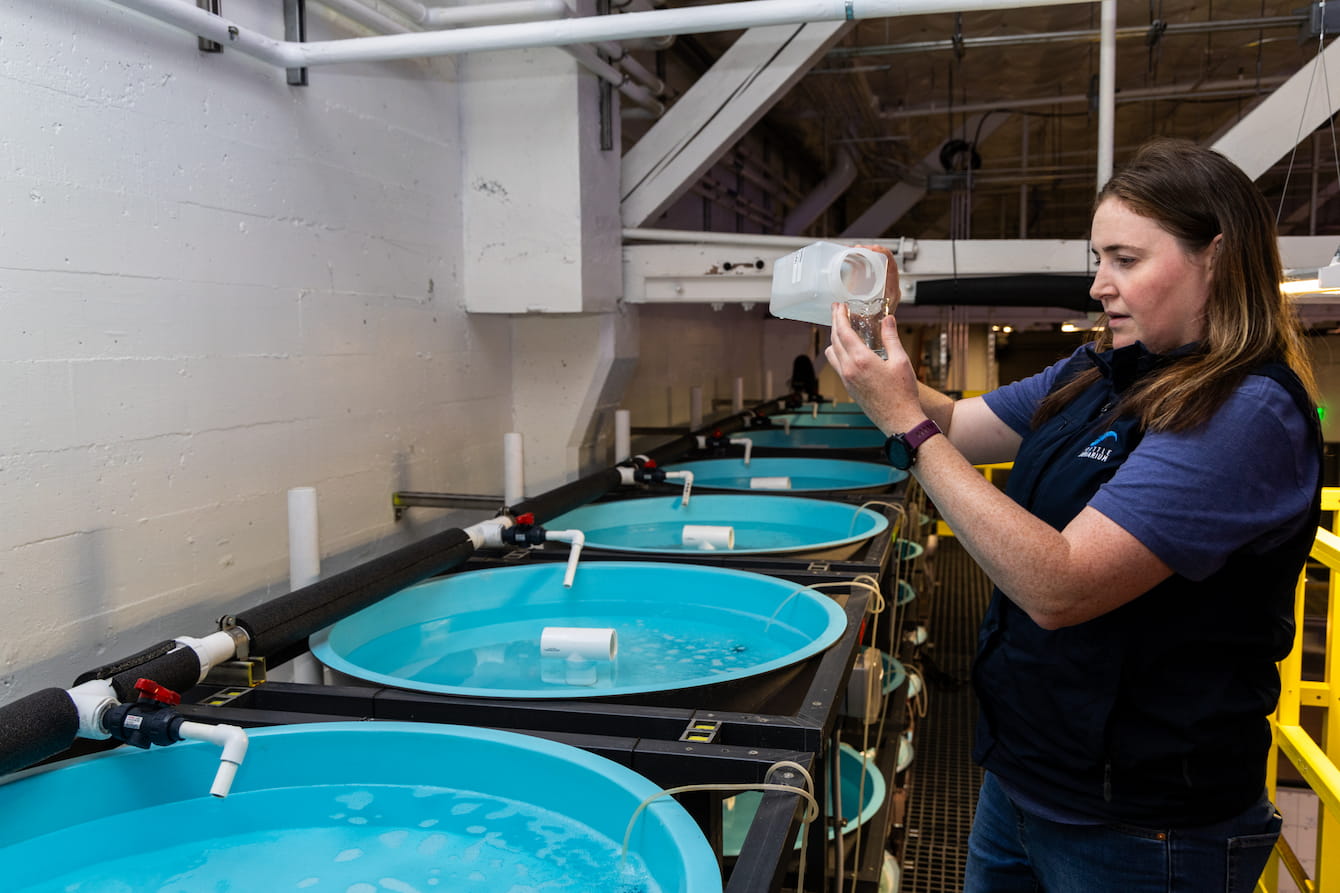
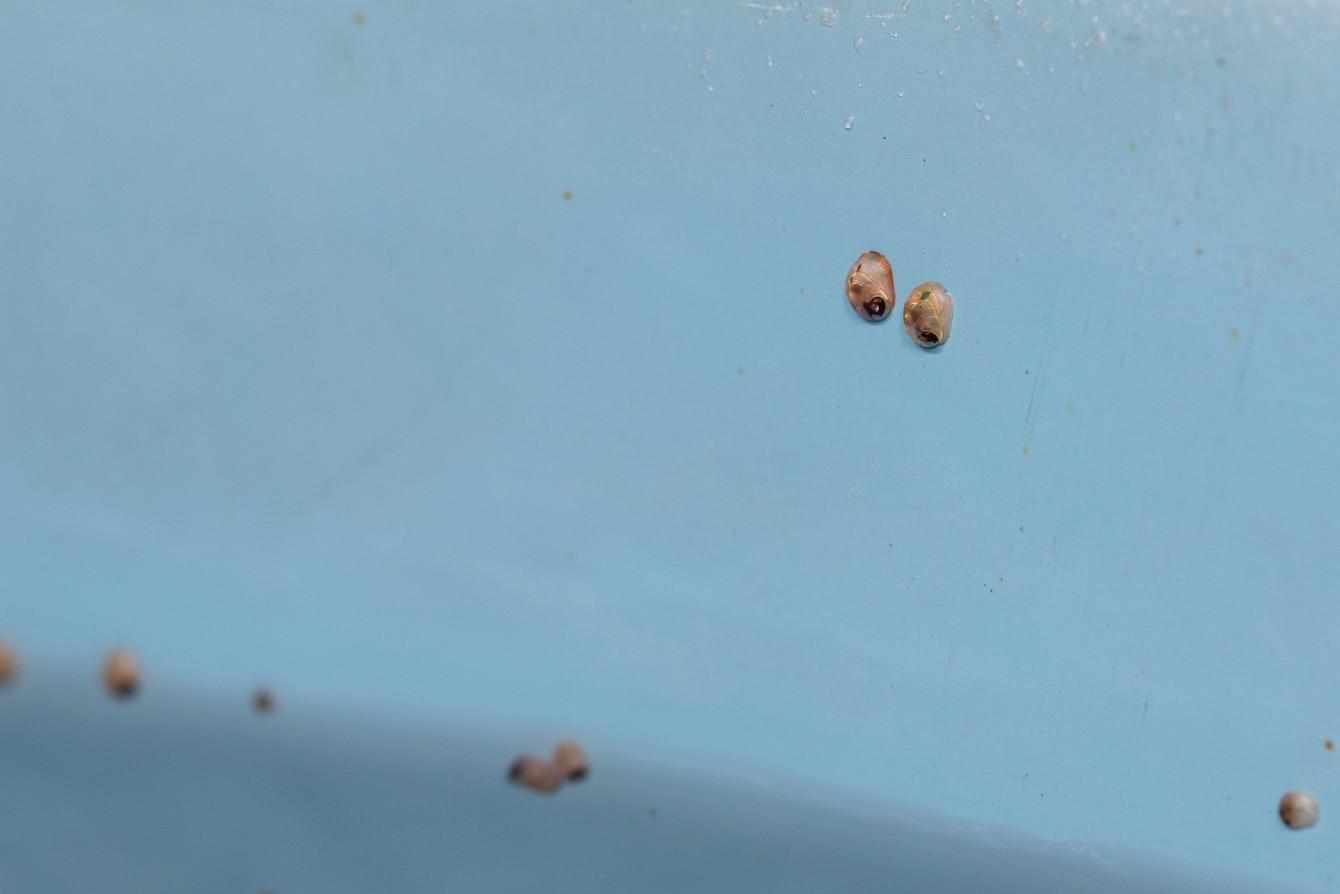
In June 2021, we received our first cohort of larvae, which we reared in a temporary pinto abalone nursery at the Seattle Aquarium before releasing them to designated sites around the San Juan Islands in spring 2022. In 2023, the nursery moved to its permanent location at our off-site Animal Care Center.
We now receive a new cohort each summer, care for the animals for about a year, then transport and gently place them in new homes at designated sites around the San Juan Islands in the spring. Our divers also look for and count animals from previous releases—and have been happy to see them growing and thriving.


Partners
Frequently Asked Questions
What caused the population decline of pinto abalone in Washington waters?
Pinto abalone and their shells have been harvested for traditional, cultural and subsistence uses by Indigenous communities for centuries. However, in 1959, WDFW authorized a recreational harvest fishery, including bag and size limits, for non-tribal divers. In 1992, managers grew concerned about overharvesting and established 10 fixed survey stations in the San Juan Islands. After resurveying in 1994 and discovering further decline (along with evidence of illegal harvest), WDFW closed the fishery, making recreational harvest illegal. No commercial fishery for pinto abalone was ever authorized in Washington.
While commercial harvest of pinto abalone has never been permitted in the state, illegal commercial harvest in combination with recreational harvest likely caused the pinto abalone’s decline in Washington. To put this in perspective, 359 pinto abalone were counted at the 10 fixed survey stations in 1992. By 2017, that number had dropped to just 12—a decline of over 97%.
Wouldn’t closing the recreational fishery in the mid-1990s bring the population numbers back up by now?
Pinto abalone are broadcast spawners—males and females need to be in close proximity for fertilization to occur. One theory is that their population density may have been too low for the population to recover by the time the Washington fishery was closed in 1994. Monitoring of fixed survey stations in the San Juan Islands over the past two decades has revealed a steady increase in mean shell length (evidence of an aging population made up primarily of older adults and few juveniles), which supports the idea that the remaining animals aren’t in close enough proximity to successfully reproduce. Pinto abalone in Washington also face threats from ocean acidification, reduced genetic diversity, disease, habitat loss and pollution. That’s why it was time for humans to lend a hand.
How many pinto abalone does the Seattle Aquarium rear and how long will the project continue?
We plan to rear and release thousands of pinto abalone each year until the populations of pinto abalone in Washington are abundant, healthy and self-sustaining—meaning they demonstrate the ability to reproduce successfully and sufficiently, leading to natural recruitment throughout the San Juan Islands and the Strait of Juan de Fuca.