This site uses cookies. View our Cookie Policy to learn more about how and why.

Regular hours: 9:30 am – 6 pm
Last entry at 5 pm

Protect Bristol Bay

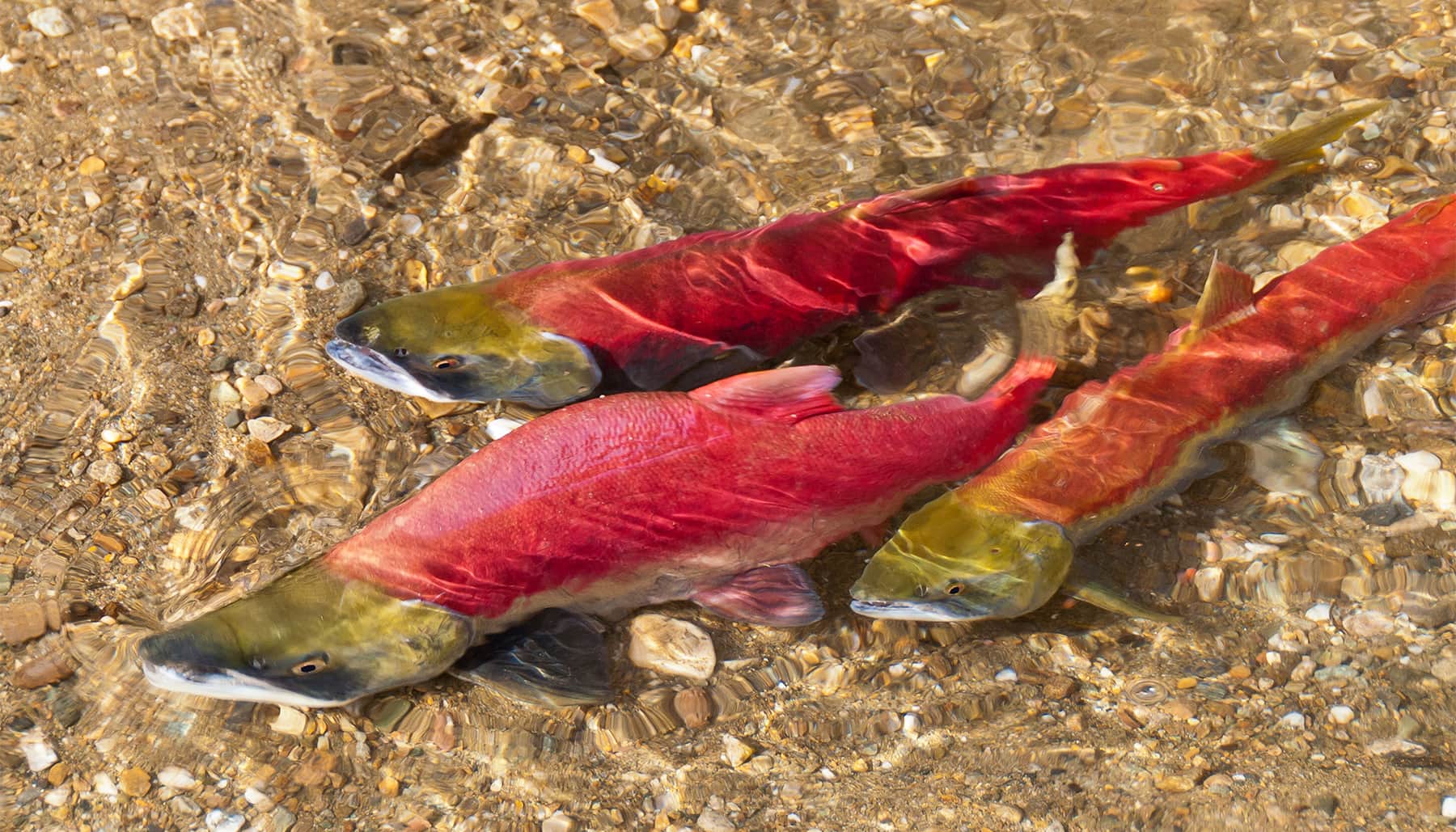
Last Friday, the U.S. Army Corps of Engineers cleared the way for permitting a huge mine at the headwaters of two major rivers that feed into Bristol Bay, Alaska—home to the world’s largest sockeye salmon fishery and one of the most prolific Chinook salmon runs.

The Canadian-owned Pebble Limited Partnership (“Pebble”) would extract gold, copper and molybdenum—materials of extremely high value, found in everyday items such as seatbelts, cell phones and electrical wires—through a new open pit mine.

The Seattle Aquarium strongly opposes the Bristol Bay Pebble Mine. Healthy oceans, fishing and Indigenous communities and local economies depend on wild and clean rivers and waterways. These will all be harmed if the Pebble Mine is developed. The science clearly shows the dangers posed by developing the mine are too great to allow the project to proceed. And yet, the Trump Administration is determined to do so, as it continues its relentless efforts to roll back environmental projections—from the National Environmental Policy Act to the Endangered Species Act—and ignores the call for environmental justice.

In the final environmental impact statement released last week, the Corps concluded that the mine “would not be expected to have a measurable effect on fish numbers” or “result in long-term changes to the health of the commercial fisheries.”

The science does not back up that finding. Mining in these rivers would cause both environmental and economic damage. The EPA’s earlier scientific assessment found that the mining activities would destroy more than 80 miles of streams and 3,500 acres of wetlands and generate billions of gallons of mine pollution. The surrounding marine ecosystem, $1.5 billion-dollar fishing industry, and over 14,000 jobs—including jobs held by fishermen from Washington state—that depend on these fish would be put in jeopardy.

We stand with Alaska Natives, fishing communities and others who have been opposing this mine for years. The salmon runs in Bristol Bay are essential to the health of the surrounding ecosystems and sustainable economies. We call on the EPA to follow the best available science and the principles of environmental justice and invoke a veto under Section 404(c) of the Clean Water Act.

If you’d like to take action, consider contacting your elected official and asking them to speak out against the Pebble Mine. Here in Washington, Senator Cantwell and Representative Kilmer have already done so—so please thank them if you are their constituent! You can also post your concerns on social media and tag @EPA and @USACEHQ.
Taking action for ocean policy: Report from the 2020 state legislature

It’s Earth Action Week! And, if it wasn’t clear before, it’s becoming all the more obvious that there are many different actions we can all take to care for our natural world as well as each other—all of which feels especially urgent during the current pandemic.

One critically important, collective action is supporting strong policies that protect clean air, clean water and the wildlife we all love. At the Seattle Aquarium, we continue to raise our voice on many important policy issues. Join us as we look back at what we did during the 2020 Washington state legislative session to advocate for science-based measures to protect our marine environment.

Wins for a healthy ocean

We worked closely with partners to pass the Reusable Bag Bill, with bipartisan support! This builds on 37 local bag ordinances in Washington and is a critical step in protecting marine wildlife. We thank Senator Das and Representative Peterson for sponsoring this bill and working so hard to get it passed.

We also made strides in the fight against climate change. The Seattle Aquarium worked alongside Environmental Priorities Coalition partners to help pass the climate pollution limits bill, which updates Washington state’s greenhouse gas reduction goals to reflect the latest science. By 2050 the state aims to be 95% below our 1990 emissions level.

Work on “Healthy Habitats, Healthy Orcas” resulted in a budget directive to move things forward. A group of experts will come together to shape a plan for a “net ecological gain” standard to protect salmon and reverse the trend of habitat loss in our region.

What did the Seattle Aquarium do? We went to Olympia in January with nine of our Youth Ocean Advocates, who met with legislators and helped build support for the Reusable Bag Bill! We were involved in the drafting of bills and we testified in support of bills when they came up for hearings. And we want to extend a huge thank you to everyone who participated in our action alerts. Demonstrations of constituent support really help get bills passed!

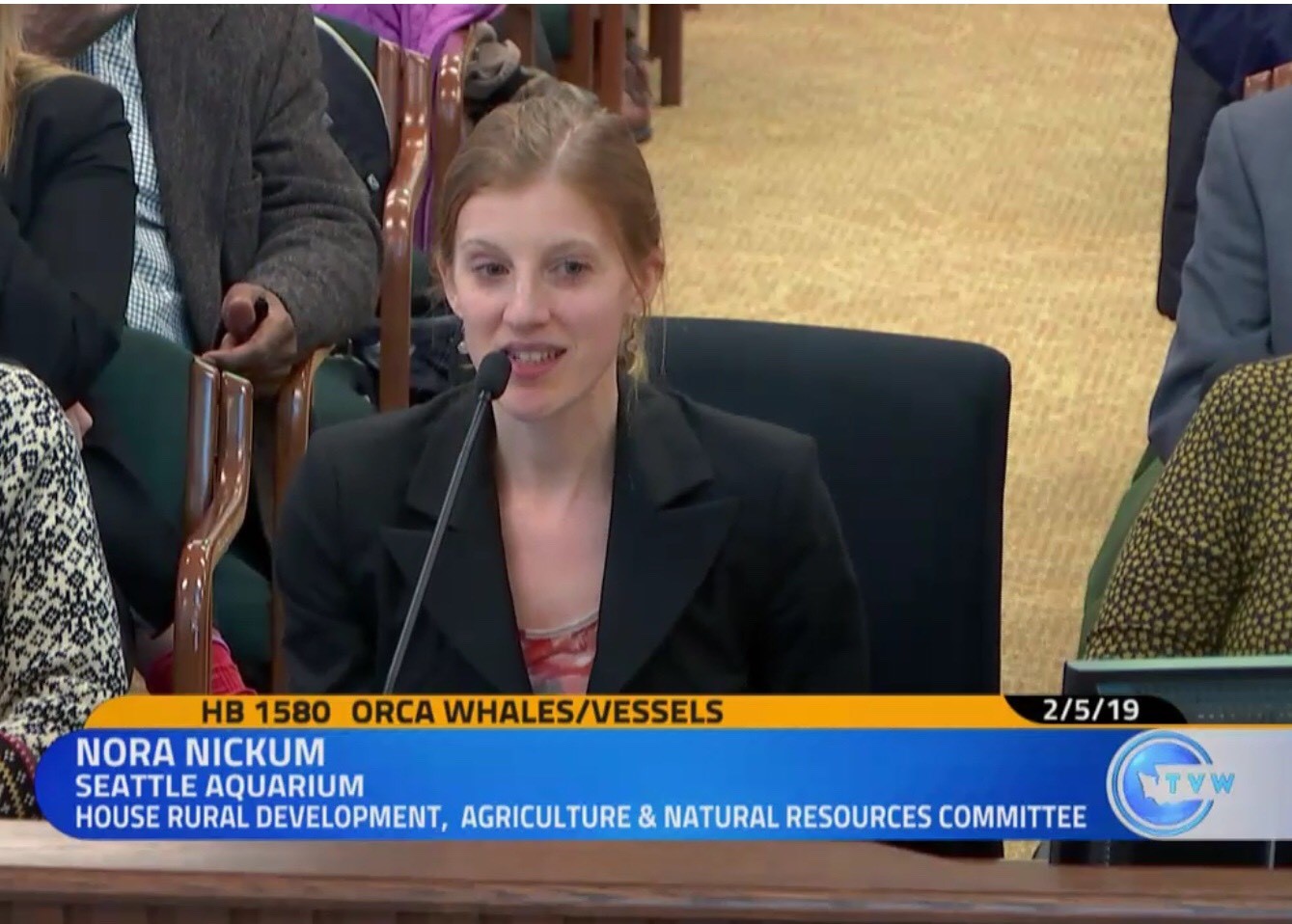
Seattle Aquarium Ocean Policy Manager Nora Nickum testifying for protections for our local orcas during the most recent state legislative session.
Seattle Aquarium Ocean Policy Manager Nora Nickum testifying for protections for our local orcas during the 2019 state legislative session.

Looking ahead

The Styrofoam ban did not pass this year. We had constructive conversations and helped the bill gain an incredible amount of momentum. It’s important to reduce Styrofoam use because it’s so lightweight that it’s frequently blown from disposal sites and travels easily through gutters and storm drains and into the ocean. We’re ready to help get a Styrofoam ban across the finish line next year!

Requiring recycled content in plastic bottles will also need to be revisited in the future. We worked hard to pass a bill requiring that beverage containers sold into Washington state have minimum post-consumer recycled plastic content, tiered up each five years, up to at least 50% by 2030. Unfortunately, this bill had implementation costs associated with it, and Governor Inslee had to veto it—along with more than 140 other expenditure items—because of the growing fiscal threat posed by the COVID-19 (coronavirus) outbreak. We will work with partners to bring this bill back in a future legislative session, as it will help build a market for recycled plastic and keep more bottles out of the landfill and ocean.

The Senate failed to pass the Clean Fuel Standard. The update of the state’s greenhouse gas limits will only lead to change if we have the tools to achieve those targets. Transportation is responsible for nearly half of our climate and air pollution in Washington, and our state is the only one on the West Coast without a clean fuel standard. We will continue to work with our partners to push for meaningful climate action.

Support emergency funds for the aquarium

The coronavirus crisis has impacted many people, businesses and nonprofits across our community. Like other sectors of the economy, aquariums and zoos are facing significant hardships in the face of COVID-19. We’ve all had to reduce operations and make difficult staffing decisions while facing the unique challenge of retaining sufficient staff and supplies to care for our animals. This will further strain budgets at a time when guests are not coming through our respective doors.

Federal policymakers need to hear directly from you about the need to include aquariums and zoos, as well as museums and similar entities, in COVID-19 relief and economic stimulus packages.

Please contact Congress to express your support for assistance for zoos, aquariums and museums in economic stimulus legislation.

YOUR SUPPORT IS MORE IMPORTANT THAN EVER

Please consider a gift that will help us continue providing the best care for all our animals, support our staff, advance science-based policies to protect marine wildlife, and expand our at-home engagement and learning opportunities during our temporary closure.

A gift of any size makes a difference.

Make a GiftJoin or Renew Your Membership

Recovering Northwest salmon

We simply can’t have a week of online engagement about Puget Sound fish without devoting some very special attention to one of the most culturally significant and iconic local species, critical to the overall health of our Pacific Northwest marine and terrestrial ecosystems: the salmon.

Many people know that the broad term “salmon” encompasses several different species. Seven of those are found here in the Pacific Northwest: Chinook (also known as king), coho, chum, pink, sockeye, steelhead and cutthroat. And, within our Pacific salmon and Pacific trout species in Washington state are a whopping 486 distinct populations—each one a scientifically designated, biologically distinct group of individuals (e.g., Snake River spring/summer Chinook; Skagit River coho) adapted to specific streams, estuaries and other conditions.

When people join us for the Cedar River Salmon Journey each October to see salmon spawn, they’re witnessing the journey of a specific group of salmon, through specific conditions that only the Cedar River provides. Because of varying conditions from river to river and from the river mouth to the headwaters, each salmon population has slightly different timing for their reproduction: when they’re in the open ocean and signaled to return, when they start to move upriver, and when their eggs hatch.

Salmon start their lives as juveniles in local streams, rivers and estuaries before heading out to the open ocean. Depending on their species and population, salmon may spend anywhere from six months to five years in the ocean. Some travel thousands of miles during this time. Environmental factors like the availability of food, water temperature, river flows (which influence dissolved oxygen), ocean acidification and pollution all play a role in long-term health of all salmon species.

An additional challenge facing salmon is the destruction of their traditional spawning grounds through man-made structures, deforestation, climate change and habitat encroachment.

Policy action on behalf of salmon

One of the important conversations taking place around local salmon recovery is the improved operation or even removal of man-made structures, like dams, on salmon-bearing rivers. The Aquarium continues to advocate for science-based policies that can help conserve our marine environment, and recently took a position supporting the removal of the four lower Snake River dams to help recover and restore critically endangered salmon populations.

Salmon recovery and the lower Snake River dams

The Columbia River basin once saw 10 to 16 million salmon return to spawn, with the Snake River—the Columbia’s largest tributary—welcoming over 4 million returning salmon1. But the cumulative impacts of habitat loss, climate change impacts on ocean temperatures, and the construction of 14 federal dams throughout the basin have nearly decimated these fish populations.

According to the 2017 ESA Recovery Plan, by the early 1990s, “abundance of naturally produced Snake River spring/summer-run Chinook salmon had dropped to a small fraction of historical levels.” Many salmon populations in the Columbia/Snake basin have already gone extinct, and nearly all remaining ones are listed as either endangered or threatened under the Endangered Species Act (ESA).

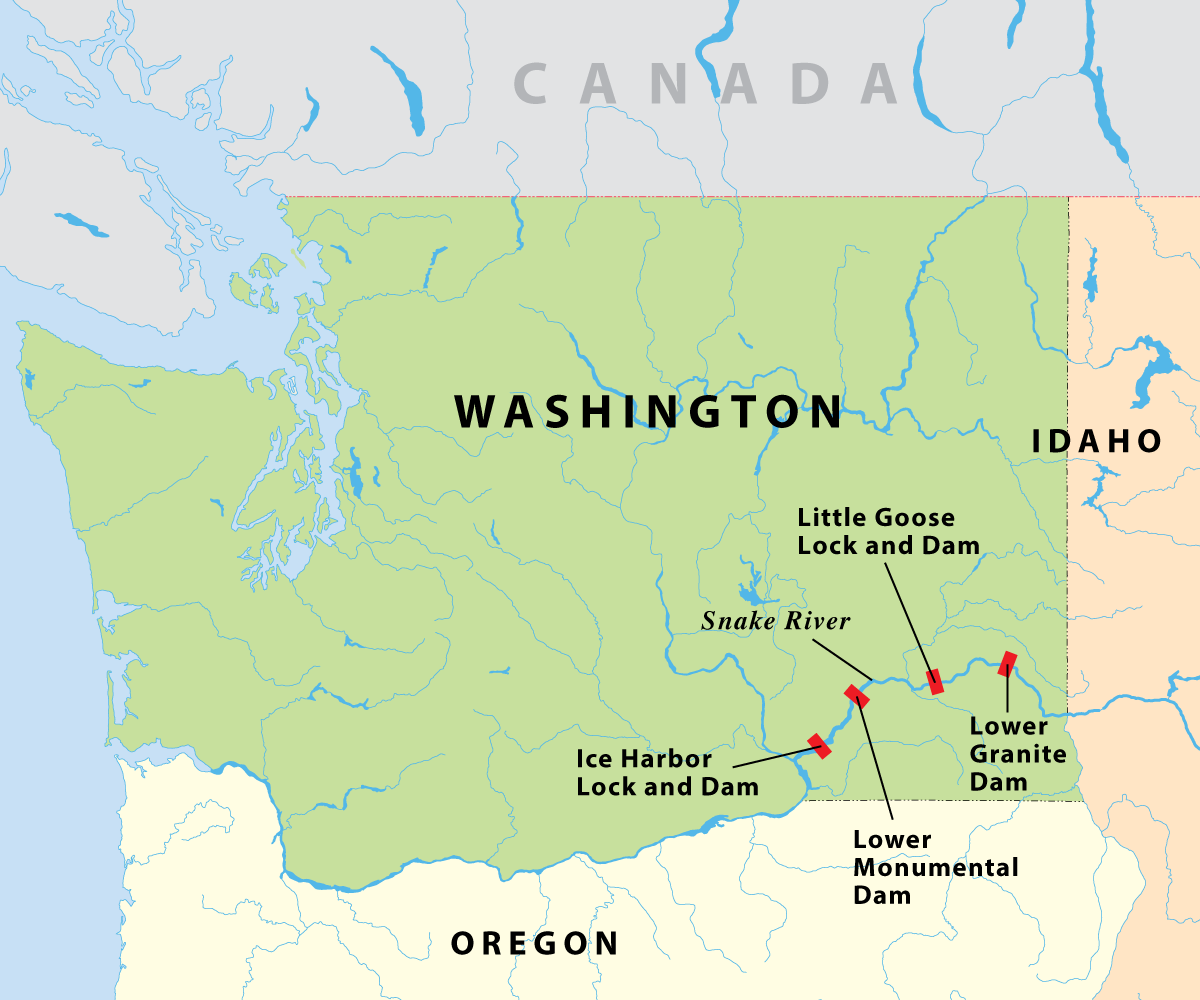
Unlike other dams in the basin, the four lower Snake River dams are not necessary for flood protection. In part for that reason, they have been the focus of discussions about potential dam breaching (removing the earthen embankments and putting other infrastructure out of commission) for more than two decades, with an eye to supporting salmon recovery. The science is clear: breaching the dams would significantly increase spring/summer Chinook returns. It would improve the chance of recovery for endangered Columbia and Snake River Chinook, sockeye and steelhead. It would also require both authorization and significant funding from Congress.

Map of Snake River dams.

The connection to the orcas

Removing the four lower Snake River dams, as part of a broad suite of measures, could also improve salmon availability in the long term for the endangered southern resident orcas. These orcas spend part of the year off the coast, looking for food, and the science indicates that they rely on Chinook returning to the Columbia River in the spring.

For the orcas to recover, additional measures must also take place in the immediate to near term, including restoring and protecting salmon habitat in other places around the region, reducing vessel noise and disturbance, and reducing toxic runoff.

The draft environmental impact statement

In February, the agencies that operate the 14 dams released a draft environmental impact statement (DEIS). They found that breaching the four lower Snake River dams would result in the greatest benefits to endangered salmon. They did not select that as the preferred path forward for system operations, however, citing the loss of power generation at the dams, among other factors.

Seattle Aquarium position

We are deeply concerned about the declines in wild, endangered Chinook, sockeye and steelhead populations. The science points to breaching of the Lower Snake River dams as a way to improve the chance of recovery for salmon and steelhead populations in the Columbia River basin.

Broader local and regional conversations are needed to arrive at solutions in the basin that will work for both salmon and communities. We look to our governor and legislators to help continue these important conversations, and we thank the governor for the stakeholder engagement work that is already underway.

Opportunity to comment

The Seattle Aquarium will be submitting a comment letter on the DEIS. If you’d like to weigh in on the DEIS as well, you can submit a comment in the agencies’ online form by the April 13 deadline.


1NMFS 2008 Recovery Plan for Southern Resident Killer Whales (Orcinus orca) at II-82

Speaking up for ocean health: 2020 priorities in the Washington legislature

The Washington state 2020 legislative session is about to begin, and the Seattle Aquarium will again be advocating for science-based measures to protect our marine environment. This year, we will be working hard to reduce plastic pollution, protect orcas and accelerate actions to address climate change. As a new member of the Environmental Priorities Coalition, we will be doing so in close partnership with 23 other like-minded conservation organizations.

Reducing plastic pollution

Plastic is becoming ubiquitous in marine ecosystems. Plastic accounts for 92% of all marine debris, which is often gobbled up by fish and other animals. Sea turtles ingest plastic bags that they confuse for jellyfish, and sea birds eat marine litter they have mistaken for prey. If we don’t make drastic reductions in the amount of plastic we use and dispose of every day, scientists predict that by 2050 there will be more plastic than fish in the ocean by weight.

The Seattle Aquarium will continue our efforts from last year and keep fighting for crucial actions to combat pollution from single-use plastics (plastic products used just once before being discarded). This includes the reusable bag bill, which will eliminate single-use plastic bags. We will also support a new ban on Styrofoam, among other important environmental protections.

Saving our southern resident orcas

Last year, we helped pass four key orca recovery bills to protect our struggling southern resident orcas, but much more action is needed. Right now, only 73 of the endangered southern resident population remain, and they greatly depend on shrinking salmon populations. The Seattle Aquarium will be working with our partners to pass the Healthy Habitat, Healthy Orcas bill, which is based off a recent Orca Task Force recommendation. If passed, this bill would help change the trend of development-related salmon habitat loss through a new standard called, “net ecological gain,” benefiting the orcas as well as many other species. (Look for another blog post soon that will dive more deeply into the concept of net ecological gain!)

Mitigating climate change

Did you know that our oceans and forests are fighting climate change every minute of every day? They help to absorb carbon dioxide and remove it from the air through a process known as carbon sequestration. But climate change also brings new risks to these ecosystems.

This year, we are supporting two new pieces of legislation that would help mitigate climate change. The first would update the state’s limits on climate pollution to reflect current science. The measure would emphasize the importance of carbon sequestration by investing in the health of trees, soils and the ocean. The second piece of legislation involves the adoption of a clean fuel standard to cut climate pollution and clean our air.

You’re invited to environmental advocacy day!

On January 30, the Seattle Aquarium policy team and hundreds of other advocates will be in Olympia to show our support for our legislative agenda and many other environmental protections. We hope you will consider joining us! Environmental advocates will have an opportunity to attend issue briefings, learn how to lobby and meet with your elected officials.

Stay in touch

Interested in learning more about ocean-related policy or actions you can take to support our advocacy work? Join our email list to receive the latest updates and breaking news!

Ocean policy in action: Report from the state legislature

The 2019 legislative session has come to a close here in Washington state and we are proud that the Aquarium took an active role in advocating on behalf of the Salish Sea and the many incredible creatures that call it home. More than 2,000 bills were introduced in this Washington state legislative session. The legislators were very busy and so were we!

KEY VICTORIES FOR OUR OCEAN

All four of the key orca recovery bills passed! New laws to help protect our struggling southern resident orcas were a priority for us and for state lawmakers this session. The new laws will:

  • Increase the distance between boats and southern resident orcas, add a go-slow zone around the orcas and create a license program for commercial whale-watching operators. These protections from vessel noise and disturbance will make it easier for orcas to forage and find prey.
  • Prevent toxic pollution by working to reduce certain chemicals that could harm sensitive species like orcas and vulnerable populations like kids.
  • Protect habitat for Chinook salmon—the primary food source for orcas—and forage fish by increasing the state’s ability to enforce existing habitat protection laws.
  • Reduce oil spill risk by establishing tug escort requirements for more oil tankers in the waters around the San Juan Islands.

We also took a key step toward reducing plastic packaging in Washington! A bill passed that requires an assessment of the amount, types, management and disposal of plastic packaging sold into the state. The report must include draft legislation for plastic packaging stewardship. We look forward to supporting that bill in the 2021 session.

What did the Seattle Aquarium do? We went to Olympia to testify in support of three bills and joined letters to legislators on several more. We worked closely with our partners on the Reusable Bag Bill and the Orca Emergency Response package and held multiple press conferences. We also sent out our first three action alert emails. Thank you to everyone who contacted their legislators—showing constituent support was crucial to getting these important bills passed!

MORE WORK TO DO

The Reusable Bag Bill did not make it to a final vote. There was a lot of positive press and the word got out about the benefits for ocean health that would come from eliminating thin, single-use plastic bags. The Seattle Aquarium’s Youth Ocean Advocates also did a great job advocating for this bill. Passing a bill can often be a process over more than one legislative session. We will be working with partner organizations and all of you to get it passed the next time around!

The Healthy Environment for All (HEAL) Act, which we endorsed, did not quite make it across the finish line either. There was some funding in the budget for an Environmental Justice Task Force. We will continue to lend our support to the organizations leading these important environmental justice efforts.

Next, we will be turning our attention to federal policy and will participate in Capitol Hill Ocean Week in Washington, DC in June.

JOIN US

Interested in learning more about ocean-related policy or actions you can take to support our advocacy work? Join our email list to receive the latest updates and breaking news!

Join us for After Hours: New Beginnings on Thursday, April 16, to celebrate spring and all the wonderful changes that come with it.

Today only, your gift will be matched dollar-for-dollar up to $25,000 thanks to the generosity of donors Betsy Cadwallader, J & Tim, and Jess & Andy Peet. Help us reach our $50,000 goal!

End the year with a gift to the ocean.