Q&A with Dr. Zhenyu Tian, winner of the 2022 Seattle Aquarium Conservation Research Award


This site uses cookies. View our Cookie Policy to learn more about how and why.

“When people really care about these creatures and the ecosystem, things will change in a positive way.”
―Dr. Zhenyu Tian
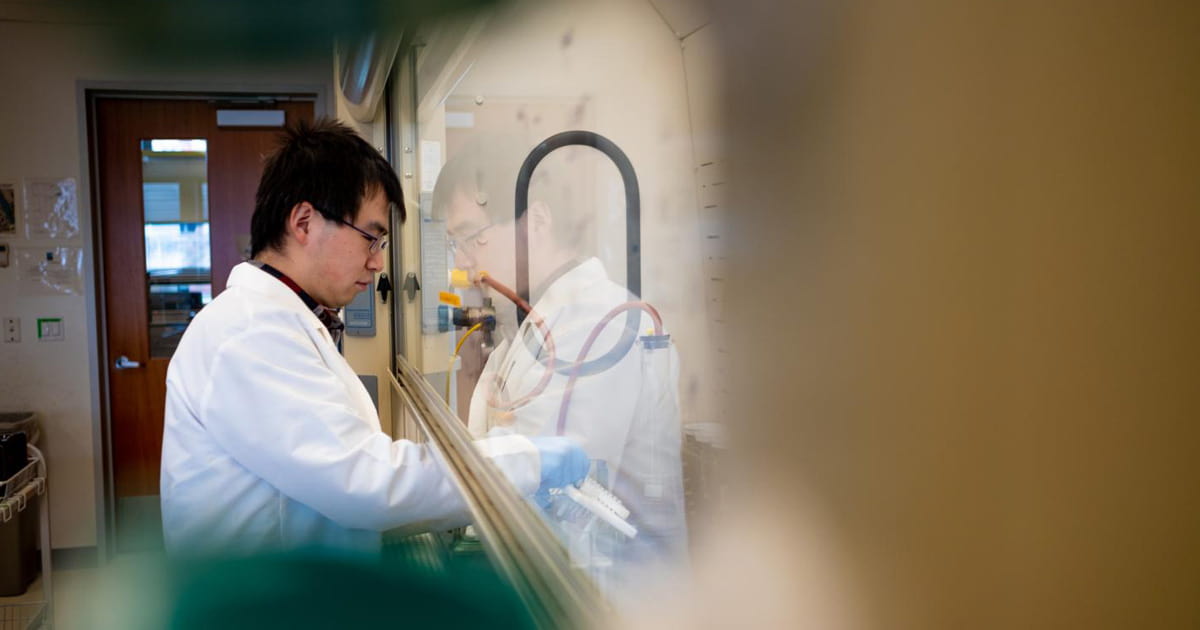
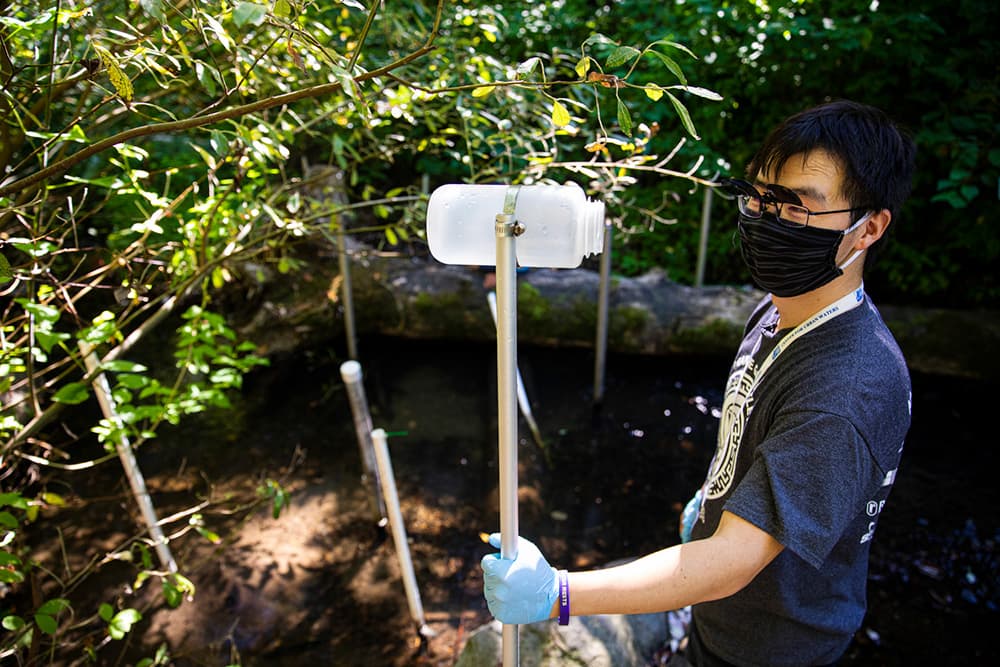
Dr. Zhenyu Tian is an environmental chemist curious about organic pollutants in the environment. He received his Ph.D. from the University of North Carolina, where he studied the transformation products and co-occurring pollutants of PAHs (polycyclic aromatic hydrocarbons) in contaminated soil. Then he worked as a postdoctoral research scientist at the Center for Urban Waters, University of Washington Tacoma, applying non-target screening to identify emerging contaminants in water and biota and to evaluate engineered treatment systems.
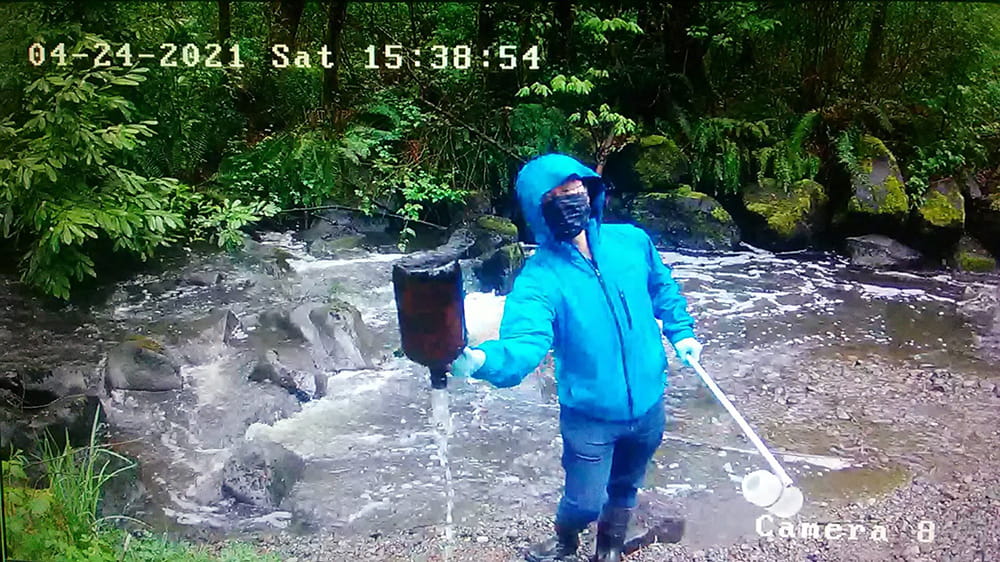
After years of collaborative research with a group of more than 20 researchers, he identified 6PPD-quinone, a ubiquitous tire rubber chemical that kills 40−90% of coho salmon when the chemical washes into urban stormwater.
It’s our honor to recognize Dr. Tian with this year’s Seattle Aquarium Conservation Research award, together with the full research group on the 2020 paper. Although we can’t gather in person for our annual Ocean Conservation Honors event, he’s kindly shared some of his thoughts with us in this Q&A.
Q: What drew you to your career?
A: Curiosity and awareness, mostly. I’m always curious about the hanging questions in archaeology and paleontology (and environmental science, of course). The curiosity is the main reason of becoming a scientist. Growing up in Beijing, I knew the concept of pollution at an early age. The city is known for its sandstorms and haze, and those and the air pollution behind them were just part of my life. So, I know environmental science is the discipline to understand the pollution issue and find solutions.
Q: What inspired you to research the deaths of coho salmon in the Puget Sound area?
A: In 2017 I was attending an American Chemical Society meeting. My postdoc advisor, Ed Kolodziej, presented a video of a coho dying from stormwater exposure. It was the first time I’d seen it. That’s when I realized it wasn’t normal, and I needed to figure out why it was happening. In later years, I saw this mortality phenomena many times in the field, and I felt the same every time. It’s a painful way of dying. And it shouldn’t be happening.
Q: What keeps you doing the work that you do?
A: Partly curiosity, as I described above. And a feeling of responsibility. Sometimes I feel like environmental chemists are like sentinels and detectives. We’re responsible for watching out for the potential threat to the ecosystem and the humans. And if something bad is going on (like the salmon mortality), we should find out why. Such responsibility is part of my motivation.
Q: What impact do you hope to make with your work—what legacy would you like to leave?
A: Maybe it’s too early to talk about legacy, but I hope our work in environmental chemistry can inform the government, industries and the public about the issue of chemical contamination. As an industrialized society, we’ll keep producing and using chemicals, but more careful examination and regulation should be considered. I hope our research could help the regulatory agencies with their decision making and help the industries to improve their formulation.
Besides, I hope our work can inspire a new generation of scientists. We have interesting and important questions in the field of environmental sciences.
Q: Ocean conservation is essential for the future of our marine environment. What does conservation mean to you?
A: I’m still very excited when I see sea mammals like seals and whales in real life. So, to me, ocean conservation is an essential effort to protect these amazing creatures and the ecosystem they rely on. And I hope my work will contribute to this effort.
Q: What brings you hope for the future of conservation?
A: I see the motivation and passion of people here in the Pacific Northwest. We have very passionate citizen scientists and volunteers (e.g., Miller-Walker community in Burien) monitoring the salmon every fall, and reporting mortality cases to us. And many young people are among them. This is the hope, because when people really care about these creatures and the ecosystem, things will change in a positive way.
Are you interested in learning more about our annual Ocean Conservation Honors awards? Read our recent blog post—and read our blog post devoted to Dr. Lisa Graumlich, this year’s Sylvia Earle Medal winner.
Since 2004, the Seattle Aquarium has honored the work of extraordinary people with these prestigious awards that celebrate their accomplishments. Our annual Ocean Conservation Honors dinner raises the visibility of ocean conservation, highlighting and celebrating the honoree’s aspirations and impact, and sharing the passion for the work and the difference our actions make on behalf of ocean health.
This year, in the interest of health and safety, we’ll be celebrating our honorees through a series of blog posts with hope that we can resume our traditional dinner next year.
The Seattle Aquarium Conservation Research Award honors individuals who are leaders and innovators in conservation research, with a particular focus on climate change, plastic pollution, sustainable fisheries and tourism, marine protected areas and socioeconomics. Special consideration is given for researchers working on projects in the Salish Sea or Coral Triangle, who have a special connection to the Seattle Aquarium, and those with strong educational or science communication elements to their work.
Dr. Zhenyu Tian is the recipient of this year’s Seattle Aquarium Conservation Research Award. Growing up in Beijing, Dr. Tian was well-acquainted with air pollution at an early age. His curiosity about it led him to study organic pollutants and become an environmental chemist. Today, his research work at the Center for Urban Waters, University of Washington Tacoma, is responsible for identifying the chemical believed to be killing local salmon.
The Seattle Aquarium Sylvia Earle Medal honors individuals whose leadership and lifetime accomplishments reflect and advance the mission of the Seattle Aquarium: Inspiring Conservation of Our Marine Environment. Formerly the Seattle Aquarium Medal, the award was renamed in 2018, after we presented Dr. Sylvia Earle with our first Seattle Aquarium Lifetime Achievement Award.
Dr. Lisa Graumlich has dedicated her career to the study of global warming and its effect on our oceans, making her the ideal recipient of this year’s Seattle Aquarium Sylvia Earle Medal. Dr. Graumlich, a paleoclimatologist (someone who studies ancient climates), serves as dean emeritus for the School of Environmental and Forest Sciences at the University of Washington, studying the connection between ecosystems and humans. She’s testified before the U.S. House of Representatives presenting her pioneering work in dendrochronology, the study of tree rings and their relation to climate.
If you’d like to learn more about (and see!) Lisa and Zhenyu’s work, check back soon for our upcoming Q&A blog posts with each of them.
It’s a pleasure and privilege to celebrate our 2022 award recipients and we look forward to introducing you to them through our in-depth interviews coming soon.
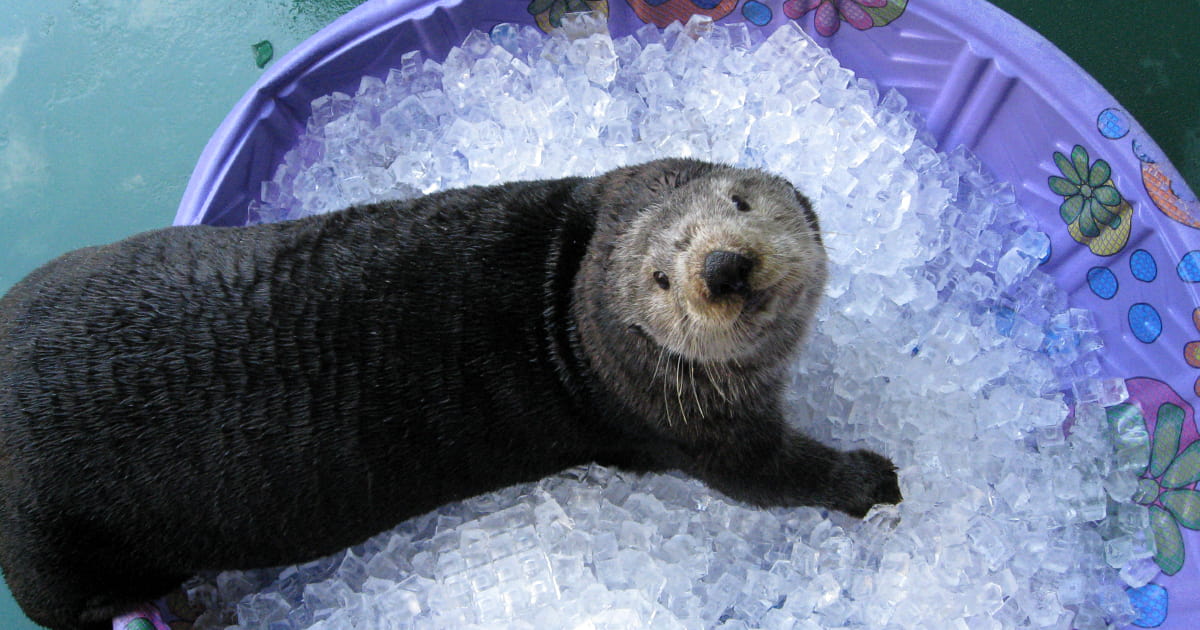
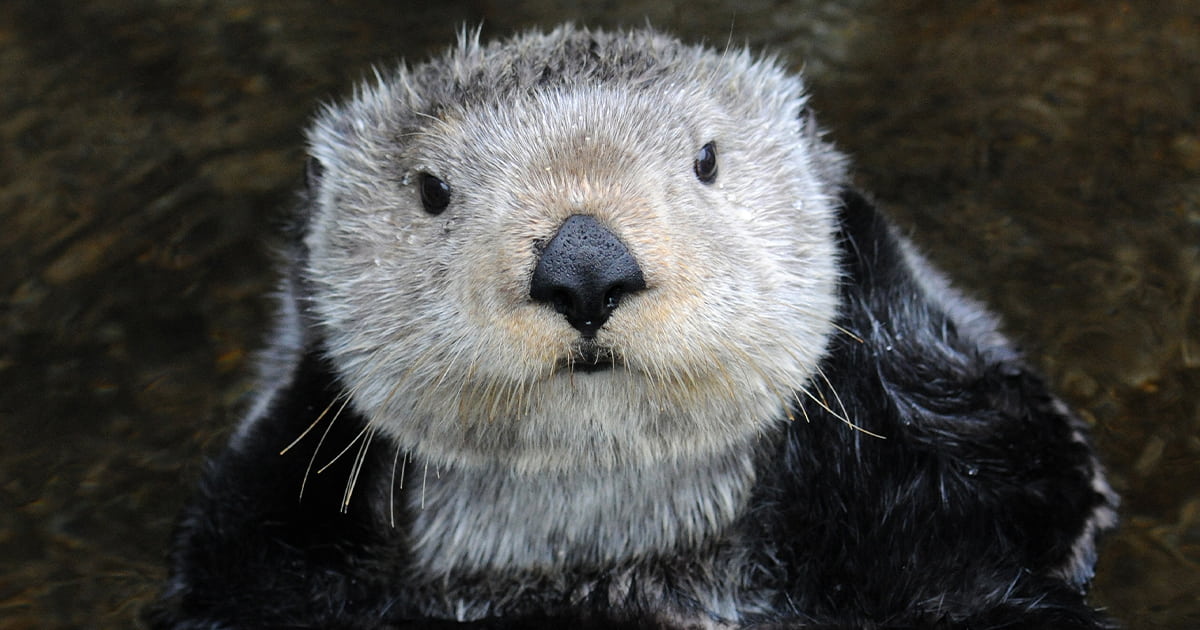
We are sad to announce the passing of Adaa, the male northern sea otter under our care, from cancer. The disease was diagnosed in mid-February and considered terminal. Adaa was treated with medications to manage his symptoms and provide him with a good quality of life for the time he had left. The staff had hoped this would give him several weeks, but his condition recently deteriorated and he was humanely euthanized on Sunday, February 27.
This beloved animal was the oldest male sea otter at zoos and aquariums in the U.S., and he became the oldest male sea otter on record in the Association of Zoos and Aquariums (AZA) “studbook” when he reached 22 years and 2 months old. (On average, sea otters in the wild live 15–20 years.) An AZA studbook dynamically documents the entire demographic history of each individual of a species—this is an invaluable tool to help us understand how individuals and groups are doing and allows us to provide the best standard of care.
Curator of Birds and Mammals Julie Carpenter describes Adaa as “a beautiful animal with a gentle way about him. He had his quirks, such as hopping with his rear flippers when on land instead of walking and making soft cooing sounds while chewing.”
Adaa, which means “come ashore” in the Aleut language, was approximately 4 months old when he was found on an airport runway at Port Heiden, Alaska, in January 2000. Julie explained this about his age: “While we don’t know Adaa’s exact date of birth, we have a very close estimate. As pups, sea otters have unique pelage [the fur covering of a mammal] and pup teeth that change as they grow. The stage of pelage and teeth growth, in addition to size and time of year, allows us to accurately estimate the age of the pup within a couple of months—sometimes even weeks or days—of birth.” At the time of his passing, Adaa was approximately 22 years and 8 months of age.
Adaa then lived at the Oregon Coast Aquarium in Newport, Oregon, until April 2004, when he was transferred to the Seattle Aquarium. In 2012, Adaa was temporarily moved to the Oregon Zoo following the birth of his daughter, Sekiu, to allow mother (Aniak) and daughter space to bond without the presence of a male. In the wild, females with pups are often found in rafts without males. Once Sekiu was older and weaned, Adaa returned to Seattle Aquarium.
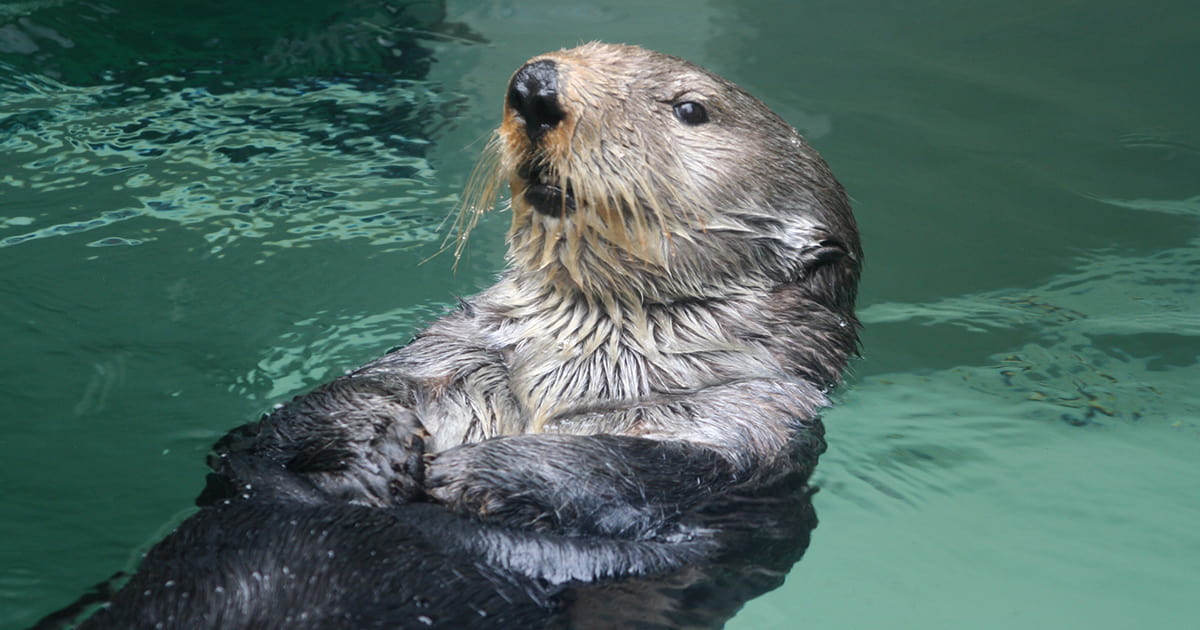
“He was a gentle male and was always amazing with the females,” says Julie. “In his older years he was often seen holding onto Mishka, a younger female, while he slept and was even seen grooming her.”
Adaa had some favorite enrichment activities, like playing with or crunching on ice and solving puzzle feeders. He will be dearly missed by the staff and volunteers at the Aquarium and by the many in-person and live-webcam visitors who enjoyed his company.
“Adaa had an enormous amount of trust in the people who cared for him,” says Senior Veterinarian Dr. Caitlin Hadfield, “particularly the animal care professionals who worked most closely with him. It was always inspiring to see that relationship. It allowed us to work together to provide the care he needed as he got older.”
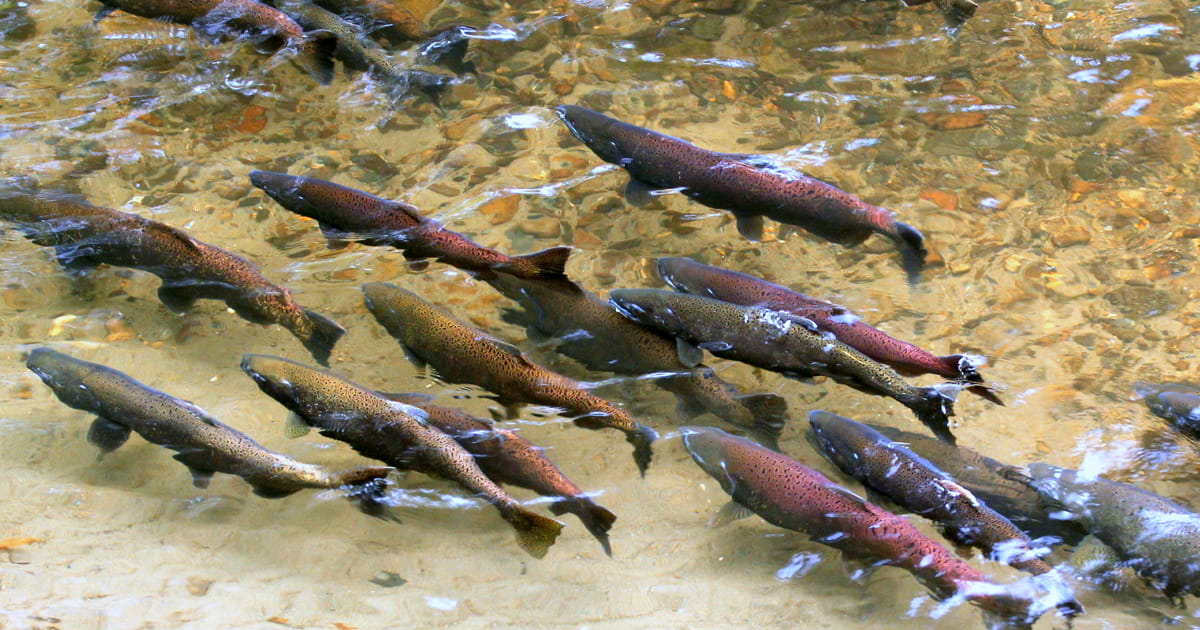
Each year, thousands of Washington salmon migrate, swimming against the current to return to the rivers and streams where they were born. If you visit the Cedar River in the fall, you may spot bright-red sockeye flashing underwater, Chinook building a redd or coho migrating farther upstream to spawn. Adult salmon die within a few weeks after spawning, and the salmon life cycle begins again with the eggs left behind. Right now, young salmon may be emerging from the gravel, foraging for food and making their home in the Cedar River, where they will live and grow before heading out to sea.
Salmon are keystone species and critical for Washington ecosystems, economies and communities, as well as for the survival of the endangered southern resident orcas. Yet our salmon populations face many threats, and some species are dangerously close to extinction.
Salmon rely on a healthy habitat during all phases of their life cycle, including freshwater, estuarine and marine ecosystems. How can we recover salmon populations and protect their habitat? The Seattle Aquarium is working to advance several actions during the 2022 state legislative session that would support critical ecosystems and healthy salmon and orca populations for years to come. Learn more about these priorities and how you can take action below!
The time after juvenile salmon leave streams and rivers behind and enter the Salish Sea is a critical survival period. But along Puget Sound shorelines, structures like old docks and bulkheads that are either unpermitted or have fallen into disrepair disrupt and pollute that nearshore habitat. This bill would require shoreline surveys to map these types of structures, then enable steps to restore nearshore habitat.
Estuaries—tidal wetland environments where rivers meet salt water—are important environments for all sorts of species, from migratory birds to juvenile salmon. A $50.2 million state investment in the Duckabush River Estuary Restoration Project would restore critical habitat that fish rely on, including threatened summer chum and Chinook salmon. With estuary restoration, there will be pools and slow water areas for fish to hide, rest and grow until they are ready for the marine environment.
Washington state is a global hotspot for kelp diversity and is home to eelgrass meadows that provide nursery habitat for juvenile salmon and feeder fish. Unfortunately, these habitats have declined dramatically. This bill would enable creation of a plan to restore or conserve 10,000 acres of kelp forests and eelgrass meadows by 2040—supporting vital habitat for all kinds of species in our coastal waters.
Named in honor of late Northwest Indian Fisheries Commission chair and Swinomish Tribe member Lorraine Loomis, this bill would protect and restore riparian habitat along Washington state rivers and streams. Shading these waterways keeps the water cool and clean, making salmon populations and the broader ecosystem more climate resilient as air and water temperatures rise. Stay tuned for updates on this bill as the legislative session advances.
There are steps you can take right now to help salmon have a better chance of recovery:
Read about our other 2022 legislative priorities and sign up for our email action alerts.
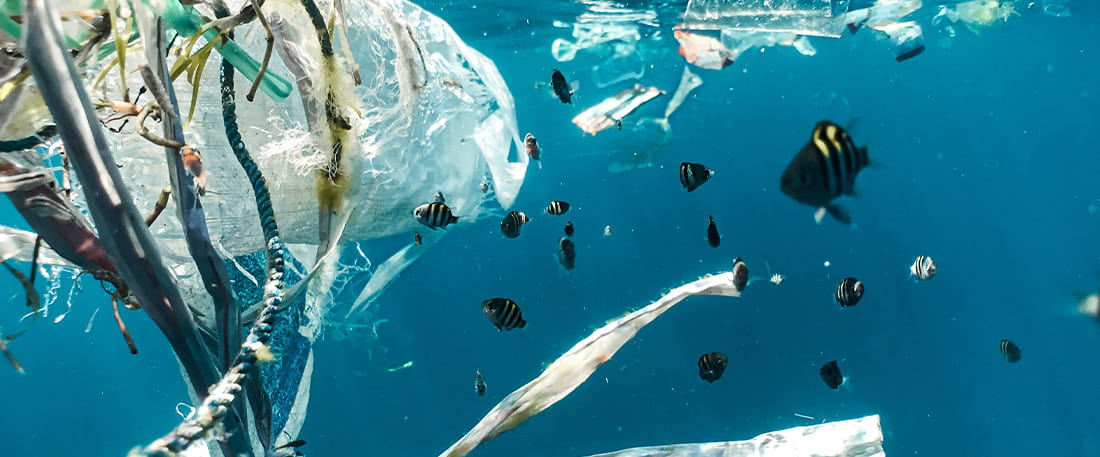
A six pack of soda bottles held together by plastic rings and wrapped with labels. Clamshell containers filled with berries. Two boxes of pasta with miniature plastic windows. A variety pack of single-serving yogurts. Apples and bananas, each with a plastic sticker.
Does it ever feel like a trip to the grocery store is awash in unnecessary packaging? Maybe it also leaves you confused about what can go in the recycling bin and what can’t. Then there’s all the packaging from online purchases and restaurant take-out containers, as well as things like toys that may be packaged with a combination of cardboard and different kinds of plastic that can be hard to separate and sort. Even packaging that is recyclable may end up in the landfill—a 2019 study in Washington found that only 58% of jurisdictions have access to curbside recycling collection.
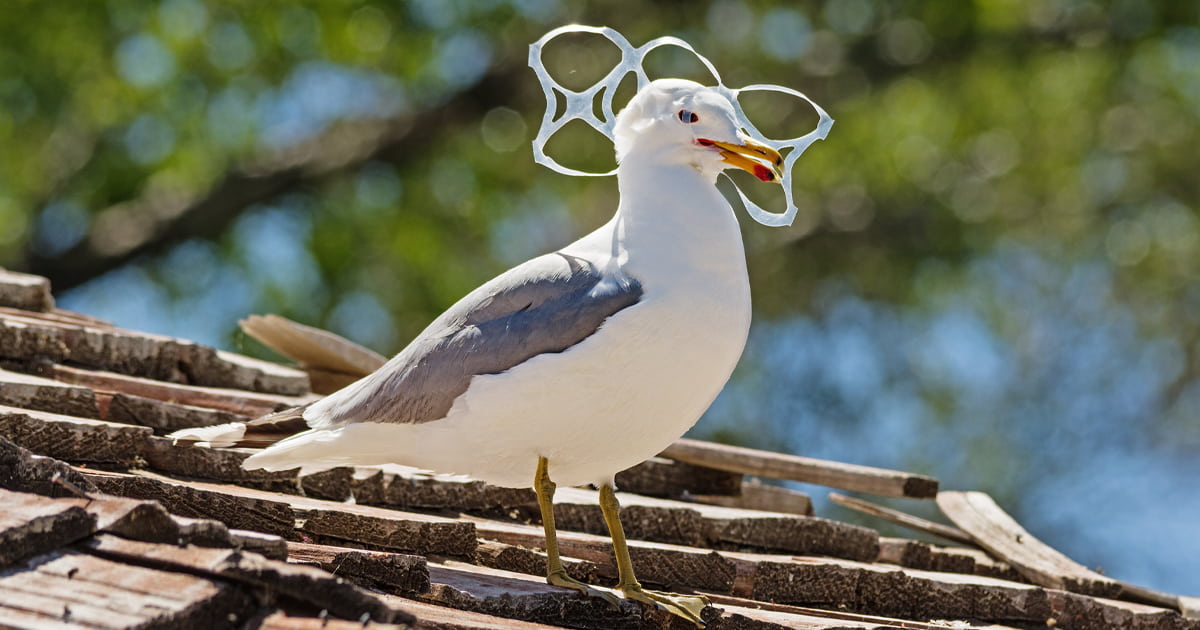
Small pieces of plastic and other packaging add up—to a mounting pollution problem. Each year, millions of tons of plastic enter our ocean. This waste, much of it from single-use packaging, pollutes coastal ecosystems and harms marine life. Hundreds of marine species, including whales, salmon and seals, ingest plastic pellets or become entangled. Plastic pollution impacts deep ocean ecosystems as well as Puget Sound. Seattle Aquarium research finds that microplastics are ubiquitous in local waters.
We live in an era of plastic and other packaging, all designed for just a few minutes of use. In the next 30 years, we’ll produce even more plastic waste—an estimated four times more than we have now. Globally, only 9% of all plastic ever created has been recycled—the rest has been incinerated or discarded, typically ending up in landfills (or worse, out in the environment). And it’s not just plastic we’re concerned about. All kinds of packaging generate greenhouse gas emissions, end up as litter, and can be hard to recycle in the current system.
How do we solve this pollution problem? One important way is addressing packaging and other single-use products at the source. We can all take steps to reduce our environmental footprint by buying in bulk to avoid single-use packaging or choosing used instead of new products whenever possible. In addition to individual actions, however, a critical policy mechanism can help increase recycling, reduce waste and spark transformative change. This policy is called Extended Producer Responsibility.
Under producer responsibility, companies that make packaging are responsible for the costs, environmental impacts, and end-of-life of their products. The burden thus falls on those who are designing and making the packaging in the first place—rather than on the end-customer or local government. Those producers have plenty of opportunities to make their packaging more sustainable. They can also label things more clearly and accurately, so people know if and where it’s recyclable or compostable.
Producer responsibility is the norm in Canada and much of the European Union. It’s a proven, successful approach to increase package recycling. Countries with producer responsibility laws have seen recycling rates skyrocket. In 2021, Maine and Oregon became the first U.S. states to pass producer responsibility legislation. Now, Washington has an opportunity to join them.
Together with our Plastic Free Washington coalition partners, the Aquarium is working to advance the RENEW Act (SB 5697), championed by Senator Das and Representative Donaghy this legislative session to modernize and transform our recycling system and reduce waste. Through producer responsibility and funding to ensure that every Washington resident has access to convenient recycling services, Washington can once again become a leader in responsible recycling and help keep plastic and other litter out of the environment.
The Seattle Aquarium also strongly supports the federal Break Free from Plastic Pollution Act, which would establish similar requirements for packaging producers nationwide. The Act would also support reuse and refill programs; ban non-recyclable single-use products like plastic utensils and carryout bags; and put a temporary pause on new plastic facilities because of environmental justice and public health concerns.
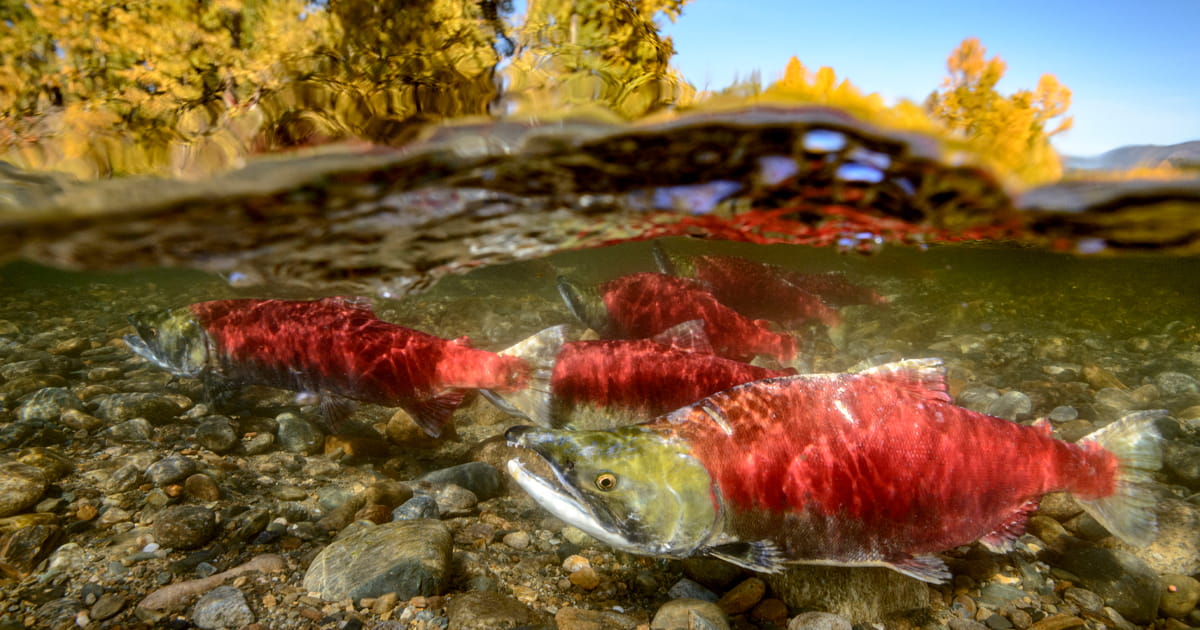
Single-use packaging represents a major environmental problem—very little of it is recycled. Waste, including harmful plastics, accumulates in the ocean and on our shorelines, putting marine wildlife at risk. We are advocating for the RENEW Act (SB 5697) to modernize and transform our recycling system and reduce waste from this packaging. The RENEW Act would:
Salmon are keystone species and critical for Washington ecosystems and communities, as well as for the survival of the endangered southern resident orcas. We are supporting several policies to recover salmon and protect their habitat:
Alongside the commitments in our new sustainability master plan, such as building our new Ocean Pavilion to be all electric and offsetting embodied carbon for all construction projects, we are also supporting:
As a member of the Environmental Priorities Coalition, we also support the other EPC 2022 priorities and Partnership Agenda, including Energy for All (HB 1490), led by Front and Centered.
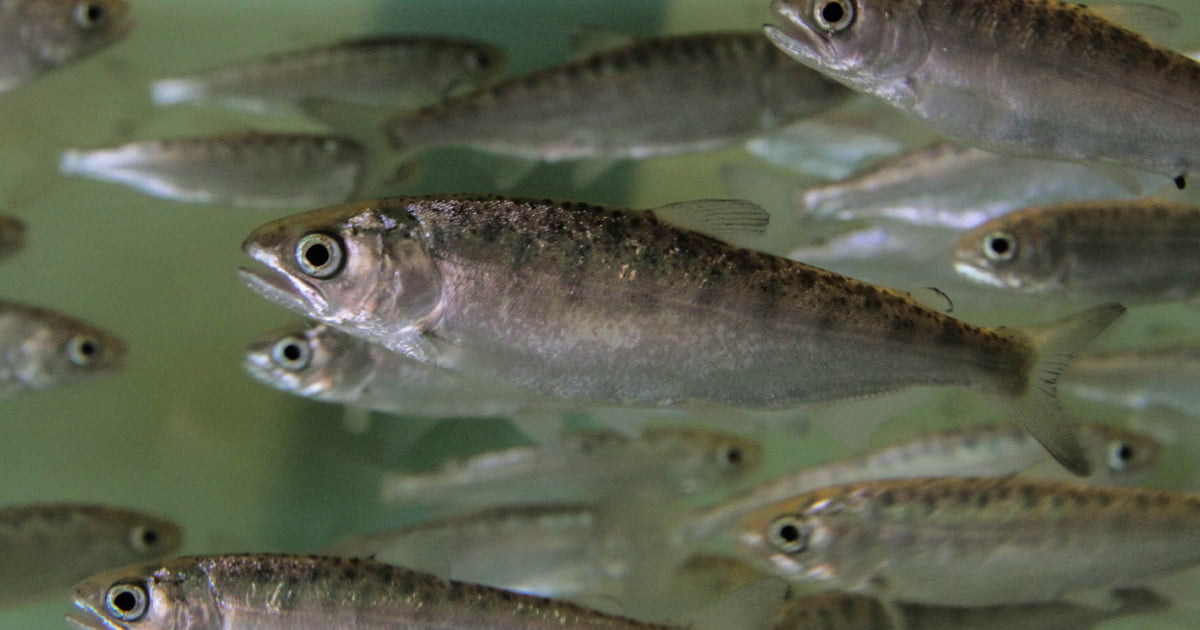
In discussions about conservation, certain habitats tend to come up as particularly important to restore and protect. Coral reefs and mangroves often immediately come to mind but feel far away from us here in the Pacific Northwest. However, there are critical aquatic habitats found right here in Puget Sound, including estuaries! Estuaries are tidal wetland environments where rivers meet salt water; these junctions are important environments for all sorts of species, from migratory birds to juvenile salmon. We now have a chance to restore a key estuary in Washington: the Duckabush River estuary.
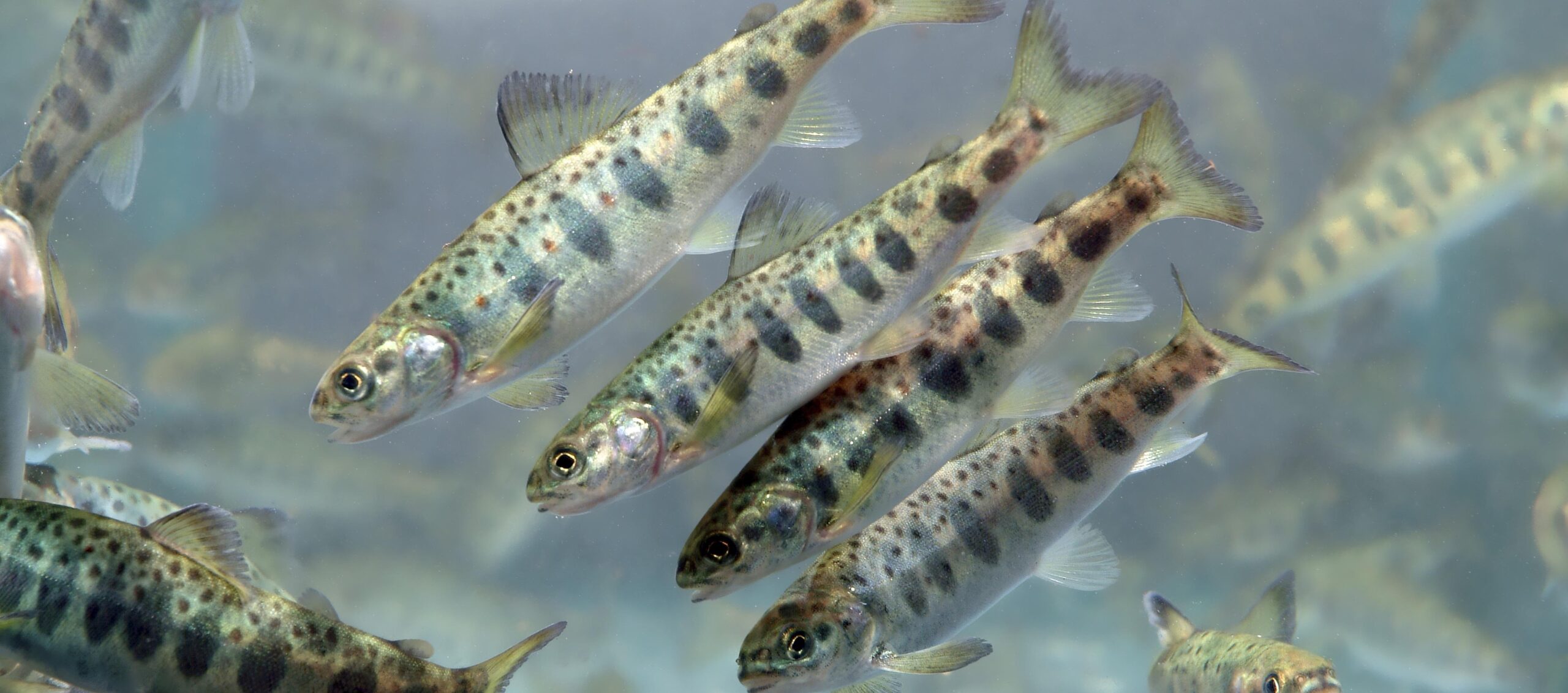
Juvenile salmon spend months in estuaries undergoing a process called smoltification, when they grow and develop a tolerance for salt water. This is a rare superpower—few aquatic species can survive in both salt and fresh water—and the estuarine habitat, at the junction between river and ocean, is needed for salmon to adapt!
Unfortunately, development has eliminated or degraded 75% of river delta tidal wetlands in Puget Sound. This enormous loss is especially problematic for juvenile salmon and other fish and wildlife that rely on estuaries. Many of those species are listed as threatened under the Endangered Species Act.
Salmon are keystone species, meaning their loss would reverberate throughout their ecosystems. Predators of salmon, such as orcas, birds, bears and people, are directly impacted by declining salmon runs, while other species are impacted in less direct ways. When salmon die after spawning or while traveling up rivers, for example, their bodies provide nutrients to trees and other plants along the riverbed. These trees then provide shade and keep the water cool enough for salmon eggs to survive and provide safe habitat for young salmon as they journey down the river. Trees also sequester carbon and provide habitat for many other animals. This intricate ecosystem interdependency is beautiful, but it’s at risk due to human impacts.
The Duckabush River estuary is located on the western shore of Hood Canal. Highway 101 runs right over it, giving drivers access to the Olympic Peninsula. When this segment of the highway was designed in 1931, 12 feet of fill was used to support the new roadbed. Most of us probably aren’t thinking about what’s under the road we drive on, so long as it’s flat and stable. Unfortunately, all the fill, dikes and road infrastructure block water channels and limit critical habitat that fish rely on, including threatened Hood Canal summer chum and mid-Hood Canal Chinook salmon. Water bottlenecks created by the current highway also cause seasonal flooding.
The Washington Department of Fish and Wildlife (WDFW), in partnership with the U.S. Army Corps of Engineers and the Hood Canal Salmon Enhancement Group, has proposed a project to elevate the highway and restore the estuary so that it is once again prime habitat for fish and other species. There is a unique opportunity for a federal-state partnership to share the cost of this project: $50 million in state funding would unlock $30 million in federal funding. Check out this video from WDFW to learn more about what’s being planned.
For this important project to move forward, we need Washington legislators to secure funding in this state legislative session.
Updated February 2023: If you live in Washington state, please call or email your state legislator and ask them to support a $41 million state investment in the Duckabush River Estuary Restoration Project during the 2023 state legislative session! Email your elected officials or call the toll-free legislative hotline at 1-800-562-6000 (TTY for hearing impaired 800-833-6388) between 8am and 7pm, Monday through Friday, to leave a message for all three of your legislators at once. This is an opportunity to make a real difference for threatened salmon and a vital ecosystem.
Our new Empathy Fellowship program kicked off last year, and the first cohort has completed their one-year terms! The capstone of these full-time, paid, fully benefited positions is to develop an empathy community action project (ECAP). The fellows research, implement and present on projects in order to apply all that they’ve learned to a real-world, marine-conservation-related issue that impacts themselves and their community. (Interested in applying? Visit our Empathy Fellowship page for details.)
Now our first two fellows offer reflections on their experiences in the program. Below we hear from Astrid Moncaleano with her thoughts. (You can read the first installment by Jules Rader here.)
It’s incredible to think that a year has passed since I started this journey as a fellow. I couldn’t imagine how I would do this first work experience in the U.S. and the changes it would bring. Fortunately for me, I came to an organization and a team where I always felt welcomed and valued from day one. I found dedicated, gentle, relatable and passionate people; a new work environment; a new way of working with a different management style; new ways of learning; and the freedom and confidence to complete my tasks.
Part of why I consider this a unique experience was that learning from different approaches—through books, documentaries, films, TEDx Talks—gave us a broad spectrum of knowledge about empathy for people and wildlife. It incorporated a better understanding of diversity and inclusion in our work in order to generate transformative changes in our workplaces, communities and society.
For my ECAP topic, I implemented ideas aligned with my professional purpose. The result was the Latinx Empathy Workshop, with the invaluable participation of Aquarium professionals and Latinx professionals as role models, allowing Latinx youth to explore new professional development perspectives in the conservation movement. Creating this space where the professionals shared their personal and professional stories and experiences was an emotional and inspiring moment to empathize and recognize the struggles, challenges and moments of joy of being a professional in conservation. The audience was connected and represented with the storytelling, and presentations broadened their vision on job search, strengths, skills, values, environmental justice and climate action.
I learned from all aspects of the workshop planning. Promoting and putting together a team to achieve the proposed goals is an enriching learning process that makes you grow as a professional, gain confidence, acquire new skills and empower you to generate better ideas.
*(English translation below.) En mi interminable lista de cosas por las que agradezco al Programa de becas Empathy (EFP) está la oportunidad de trabajar generando contenido bilingüe. Logre incorporar contenido en español e inglés en el taller y colaboré en la traducción al español de materiales de divulgación utilizados en diferentes programas como Cedar River Salmon Journey y Beach Naturalists. Participar en la interpretación del tour virtual en español fue también una experiencia de satisfacción que me ayudó a formarme en nuevas habilidades y pensar en nuevos horizontes profesionales. Es muy satisfactorio creer que estos materiales servirán a nuestros públicos y comunidades y se convertirán en valiosas herramientas de trabajo en diferentes actividades y programas dentro del acuario, logrando la educación en conservación más inclusiva.
Thanks to the fellowship, I feel that I’ve become a more empathetic person, more confident of my skills and able to face new challenges, and I better understand how workplaces function in the U.S. and how I can adapt myself to this culture. I see future possibilities for working with professionals of diverse cultural origins and with other organizations, creating spaces with different purposes of empathy for people and marine life, building community, exchanging experiences and connecting with multicultural audiences. I hope many professionals like me will receive this opportunity to enrich their work environment with the new perspectives that migrants bring wherever we go.
*(I’m grateful to the Empathy Fellowship for an endless list of reasons, and among them is the opportunity to create bilingual content. I incorporated Spanish and English content into the workshop and collaborated on the Spanish translations of outreach materials for programs like the Cedar River Salmon Journey and Beach Naturalist. Participating in virtual tours as a Spanish interpreter was also a satisfying experience that helped me develop new abilities and expand my professional horizons. It’s very satisfying to think that those materials will serve the public and community and become valuable tools in different activities and programs within the Aquarium, achieving higher inclusivity of conservation education.)
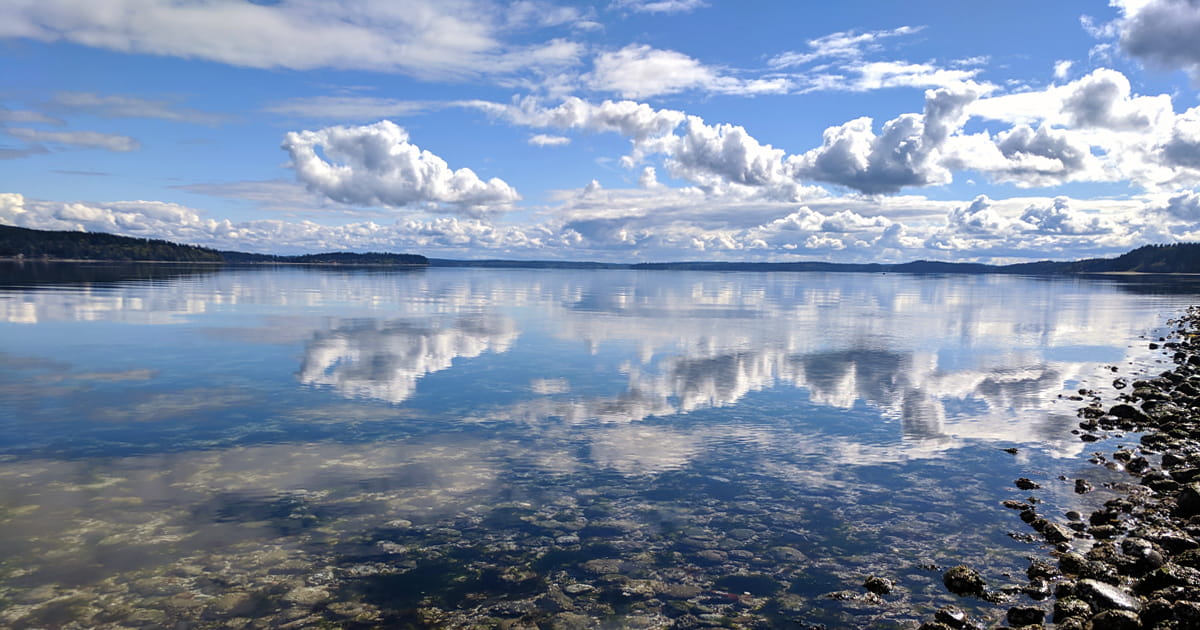
Our new Empathy Fellowship program kicked off last year, and the first cohort has completed their one-year terms! The capstone of these full-time, paid, fully benefited positions is to develop an empathy community action project (ECAP). The fellows research, implement and present on projects in order to apply all that they’ve learned to a real-world, marine-conservation-related issue that impacts themselves and their community. (Interested in applying? Visit our Empathy Fellowship page for details.)
Now our first two fellows offer reflections on their experiences in the program. Below we hear from Jules Rader with their thoughts. (You can read the second installment by Astrid Moncaleano here.)
As this fellowship comes to an end, I can honestly and gratefully say I am sad to leave. I learned so much and am leaving the position with an even stronger conviction that empathy and equity must always lead my approach to conservation work.
My ECAP was an eight-week digital program called “The Aqueerium: a marine conservation club for LGBTQ+ youth.” Twenty-three LGBTQIA+ youth (ages 13–17) joined from across the U.S. to participate. We also had six wonderful volunteer mentors from the LGBTQIA+ community helping in the program.
The main goals of my ECAP were to:
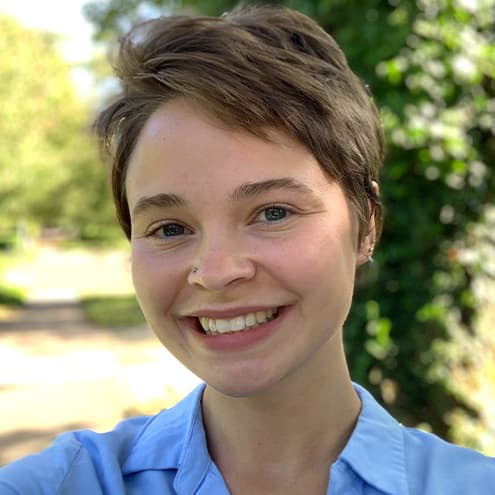
I set out to create this program because I found my community in LGBTQIA+ activist spaces and wanted to foster a space that would engage with and uplift LGBTQIA+ youth and also make learning and science fun and approachable! I left STEM because I did not feel celebrated, seen or represented by my science teachers, and I didn’t see social justice and equity being prioritized. In this program, I hoped to empower young people to pursue their interests and hear from many different LGBTQIA+ folks in conservation.
During the first meeting we came up with community guidelines—an important way to set the tone for creating an inclusive and welcoming space together.
Over the following three weeks we split into groups, each choosing a nudibranch mascot to research and present to the rest of the Aqueerium. (A key takeaway was the importance of relationship-building and designing a program with specific community and participant needs in mind, as well as being open to learning from our participants and working together. With ongoing feedback from anonymous surveys after each meeting, we could make changes and improve the program as we went along.)
On the fifth week, we hosted a virtual panel, LGBTQ+ in Conservation, featuring five panelists and 38 attendees—including Aqueerium participants and mentors, Aquarium staff, and young LGBTQIA+ folks interested in conservation. In addition to communicating and building understanding with panelists beforehand, a key part of showing our respect for them was providing fair and equitable compensation for their time and work. We received very positive feedback from our panelists, who recognized the Aqueerium space as welcoming and healing. One panelist even commented that they wished a club like the Aqueerium had existed when they were young. That is exactly why this project felt important.
The feedback we got from an anonymous survey at the end of the program showed that this really was a welcoming and inclusive space, and that the program met everyone’s expectations for what they hoped to learn. We found:
Clearly, these kinds of programs are still hard to come by, and that is exactly why we need more of them. I am grateful to have had the opportunity to work on something so important to me, and so needed in an infinitely difficult time, when many LGBTQIA+ young people have been isolated from one another. I leave this fellowship eager to continue working in conservation education, and certain of the urgent necessity of centering empathy and equity in this field.
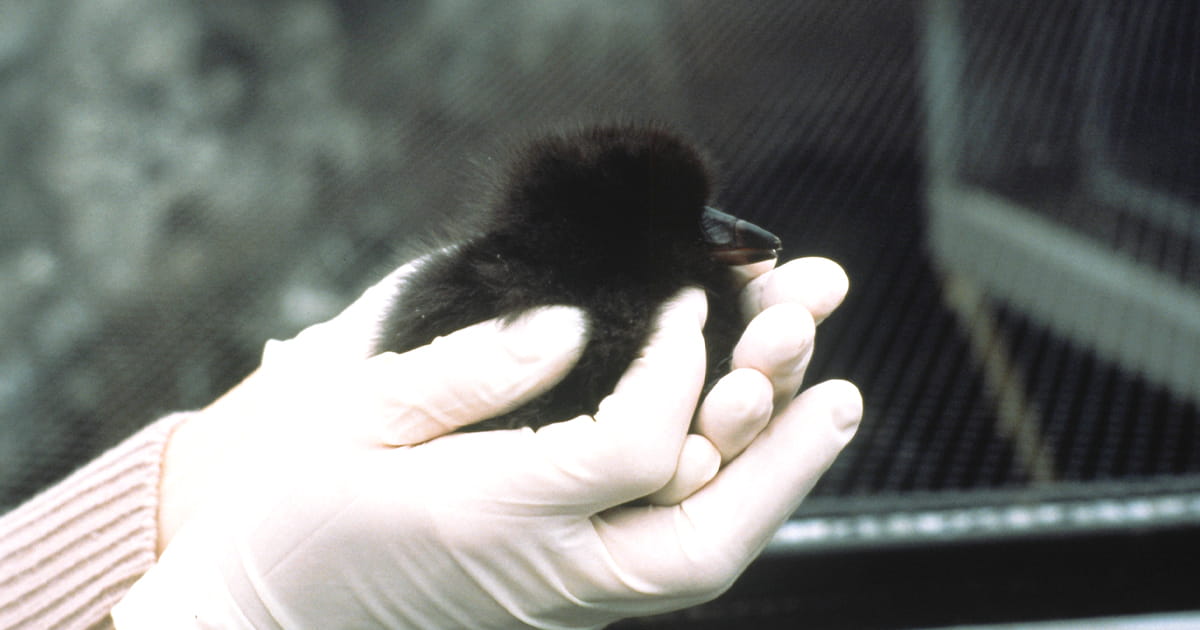
Have you ever wondered about the animals under our care at the Aquarium, such as how they came to live here and why they need our care? Those are big questions, and part of the answers can be found through our accreditation with the Association of Zoos & Aquariums (AZA) and participation in its Species Survival Plan (SSP) Program. What is that exactly, and how do we participate? Let’s dive in!
According to the AZA, “an AZA Species Survival Plan (SSP) Program strives to manage and conserve a select and typically threatened or endangered species population with the cooperation of AZA-accredited institutions. SSP Programs develop a Breeding and Transfer Plan that identifies population management goals and recommendations to ensure the sustainability of a healthy, genetically diverse, and demographically varied population.”
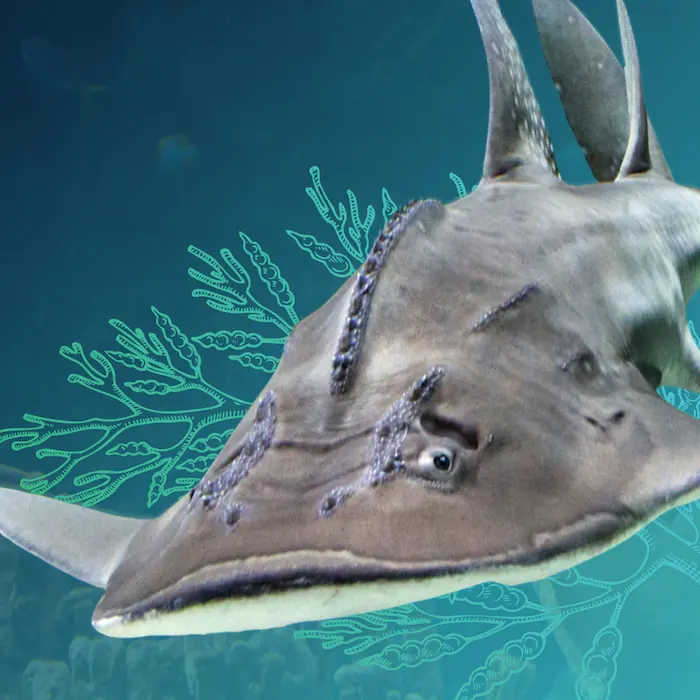
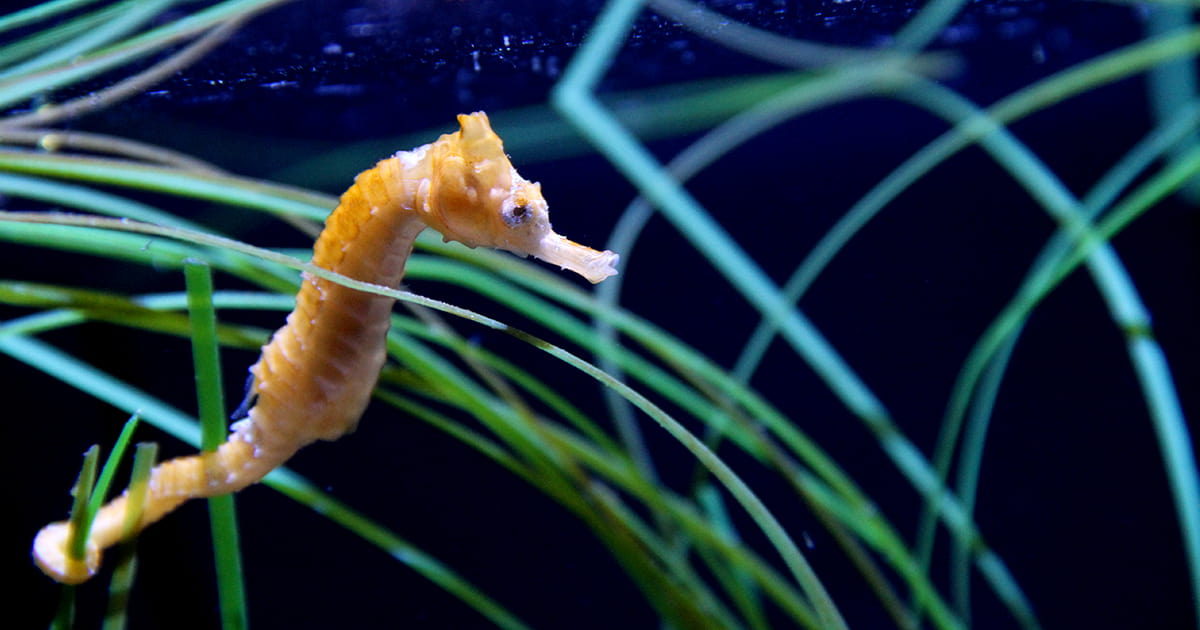
Staff at the Seattle Aquarium participate in several SSPs as well as the Taxon Advisory Groups (TAGs), which select the SSP Programs. All four mammal species in our care are in an SSP: sea otter, harbor seal, northern fur seal and river otter, though the SSPs for the last three are led by staff at other facilities. We participate in five TAGs—aquatic invertebrate, marine mammal, Charadriiformes (shorebirds, auks, gulls, and related species), freshwater fishes and marine fishes—and 10 SSPs: North American river otter, northern sea otter, southern sea otter (although we don’t provide a home for this species at the Aquarium), harbor seal, common murre, horned puffin (also not currently a resident at the Aquarium), tufted puffin, lined seahorse, spotted eagle ray and bowmouth guitarfish. (The spotted eagle ray and bowmouth guitarfish will be part of the new Ocean Pavilion habitats!)
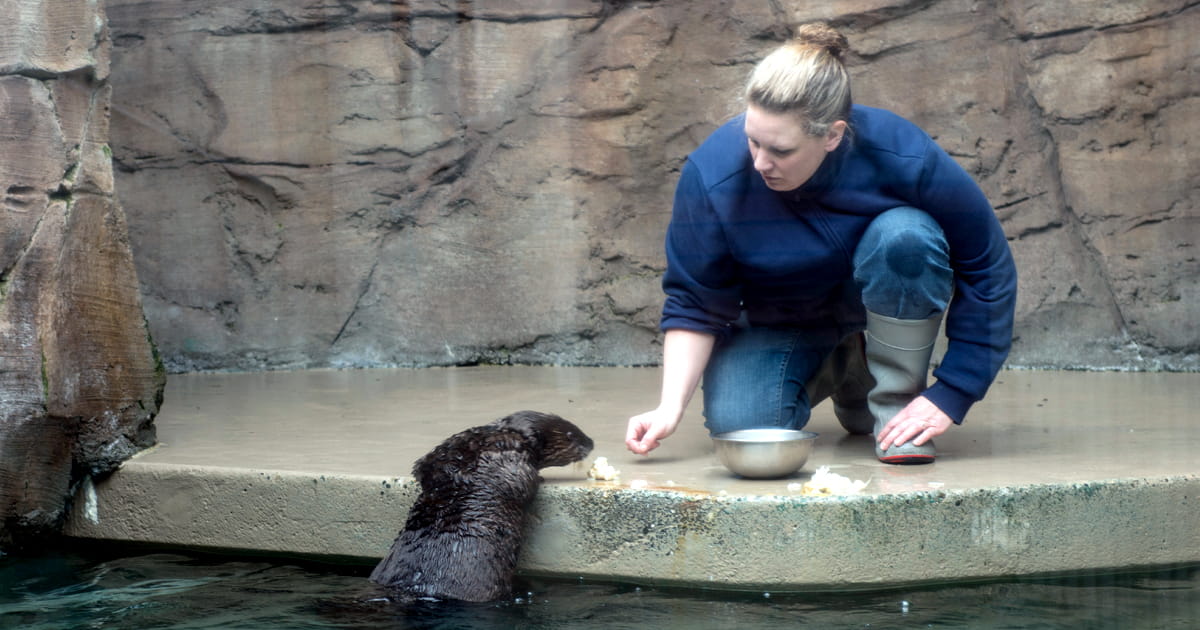
Seattle Aquarium Curator of Birds and Mammals Julie Carpenter explains more: “For species that are part of a managed SSP, we work cooperatively with the SSP coordinator and studbook keeper* to meet necessary reproduction and transport plans to best suit the animal’s needs and conservation initiatives set forth by the TAG and Regional Collection Plan.”
*(Not sure what a studbook is? Keep reading!)
“Lined seahorses, for example, are cared for by many AZA organizations,” says Curator of Fish and Invertebrates Tim Carpenter. “It is the job of the SSP coordinator and studbook keeper to be sure any inter-facility trades and reproduction support the long-term sustainability of the genetics in the AZA collection as a whole. As many institutions care for this species, it is a complex and detailed job to manage the program.”
You may wonder: When does the Seattle Aquarium get picked to lead an SSP program or manage a studbook, versus a different AZA-accredited institution? Julie notes, “An individual keeper, aquarist, biologist, trainer, registrar, etc., can apply for a vacant SSP coordinator position or studbook role and must have support of the facility via permission of their direct manager and CEO. It’s a lot of work and is done on top of your regular job.”
The studbooks Julie refers to are part of the AZA Regional Studbook, which is part of the SSP program. The AZA’s website explains that “an AZA Regional Studbook dynamically documents the pedigree and entire demographic history of each individual in a population of species—they’re invaluable tools that track each individual animal cared for in AZA-accredited institutions.” Studbooks keep track of information such as age, significant events like births or deaths, parentage, taxonomy and any unique individual history.
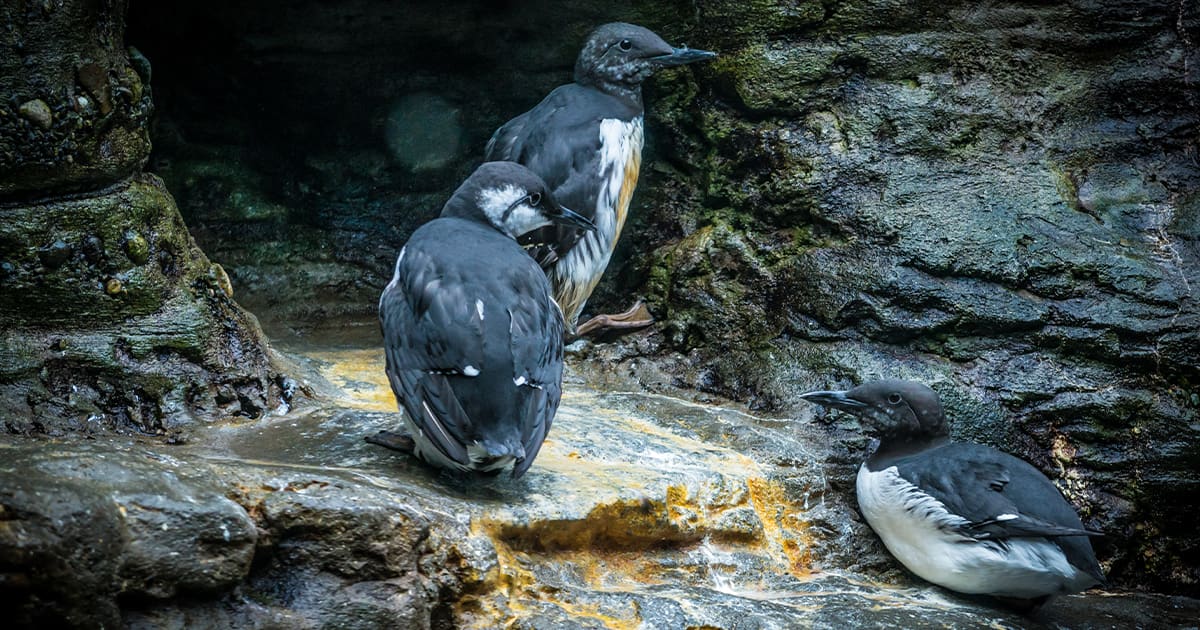
Aquarium staff have managed studbooks for over 10 years and are currently managing five: northern and southern sea otter, tufted puffin, horned puffin and common murre.
“I find managing a species studbook to be extremely interesting,” says Julie, “and it helps me see the care and welfare of the species in a new light. It also allows me to work with each facility that cares for that species and provides me with a deeper appreciation of the amazing work each accredited zoo and aquarium does to support our common missions.”
Interested in learning more about animal care at the Aquarium? Read our previous post on what it’s like to care for the 12,000 individual animals entrusted to us.
Adults 21+ Special Events!
June 18 | June 25 | July 2
Explore the Aquarium at night with friends, family or by yourself!
Today only, your gift will be matched dollar-for-dollar up to $25,000 thanks to the generosity of donors Betsy Cadwallader, J & Tim, and Jess & Andy Peet. Help us reach our $50,000 goal!