This site uses cookies. View our Cookie Policy to learn more about how and why.

Regular hours: 9:30 am – 6 pm
Last entry at 5 pm

How will the Ocean Pavilion model sustainable design?

This summer, the Seattle Aquarium’s campus will expand when our new Ocean Pavilion opens.

As we began this project, we asked ourselves a key question: How can a technically complex building like an aquarium—which must keep animals healthy 24 hours a day, 365 days a year—model sustainable design?

Navigating that answer has spanned years and included architects, regenerative designers, engineers, builders, animal experts and many others! Dive in with us:

The Ocean Pavilion’s sustainability features

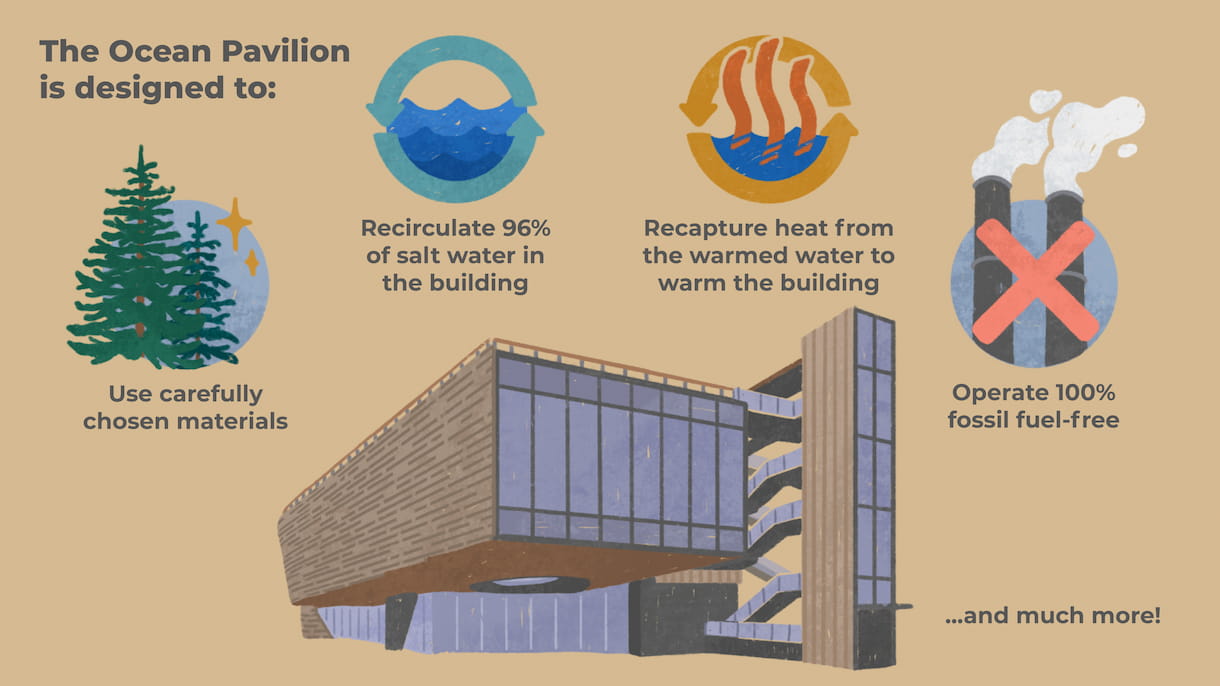
When it’s complete, the Ocean Pavilion will be owned by the City of Seattle. It will serve as a living laboratory dedicated to ocean health. With that in mind, we designed the building to use energy, water and materials efficiently and with care. The Ocean Pavilion will:

An illustration of the Ocean Pavilion. Text on the illustration reads: "The Ocean Pavilion is designed to: Use carefully chosen materials, recirculate 96% of salt water in the building, recapture heat from the warmed water to warm the building, operate 100% fossil fuel-free...and much more!"

Explore salt water in the Ocean Pavilion: The Ocean Pavilion’s saltwater habitats are what’s called a “closed-loop” system. Watch our video to learn more:

Get nerdy with us: Learn how our Water Quality team uses science to maintain healthy saltwater habitats.

What “green building” certifications is the Ocean Pavilion pursuing?

The Ocean Pavilion will be LEED Gold-certified (update, May 2025: certification received!). We’re also targeting Zero Carbon Certification from the International Future Living Institute (ILFI), which includes requirements beyond LEED.

The ILFI is a global nonprofit that certifies advanced sustainable and regenerative buildings. ILFI Zero Carbon Certification is a rigorous international standard for buildings that are highly energy efficient and have fully neutralized their carbon emissions, meaning that they do not add any net carbon to the atmosphere.

Earning this certification requires neutralizing both operational and embodied carbon:  

  • Operational carbon comes from emissions required to heat, cool and power the building.
  • Embodied carbon is different. It refers to emissions generated by raw material extraction, manufacturing, transportation and installation of building materials (in other words, the emissions generated by creating the building’s materials and constructing it).

Zero Carbon Certification requires us to offset 100% of the building’s operational energy use with new renewable energy. Some buildings meet this requirement by adding rooftop solar panels, but our rooftop will be a space for the public to enjoy. So, instead we’re working on an agreement that will add additional renewable energy capacity to Seattle’s electric grid.

The best part? This additional capacity will meet our needs and provide additional renewable energy that others can use. Stay tuned for more details on that step.

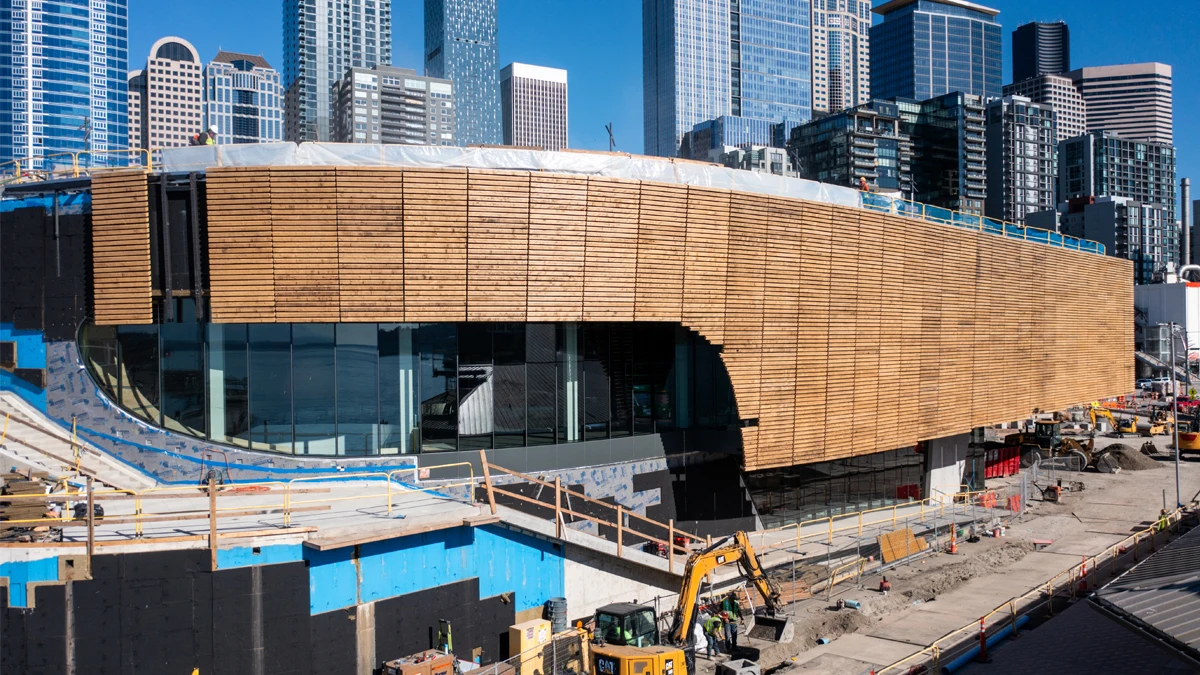
Exterior of the Seattle Aquarium's new Ocean Pavilion, viewed from the side to showcase new cedar wood planks which cover the west side of the building.
We’re building new public space on the Ocean Pavilion’s roof that will help connect Pike Place Market to the city’s new 20-acre Waterfront Park.

Many green building experts consider ILFI certifications like Zero Carbon Certification to be especially challenging. Why? They’re based on actual performance over 12 consecutive months—not plans or estimates. We’re proud to be the first aquarium building in the world to pursue an ILFI certification. We hope to be the first of many.

A growing number of organizations are adopting this certification:

  • Climate Pledge Arena here in Seattle (world’s first arena to be certified)
  • Google’s 6 Pancras Square office in London (world’s first building project to be certified)
  • Microsoft’s Puget Sound and Silicon Valley campuses (pursuing certification)
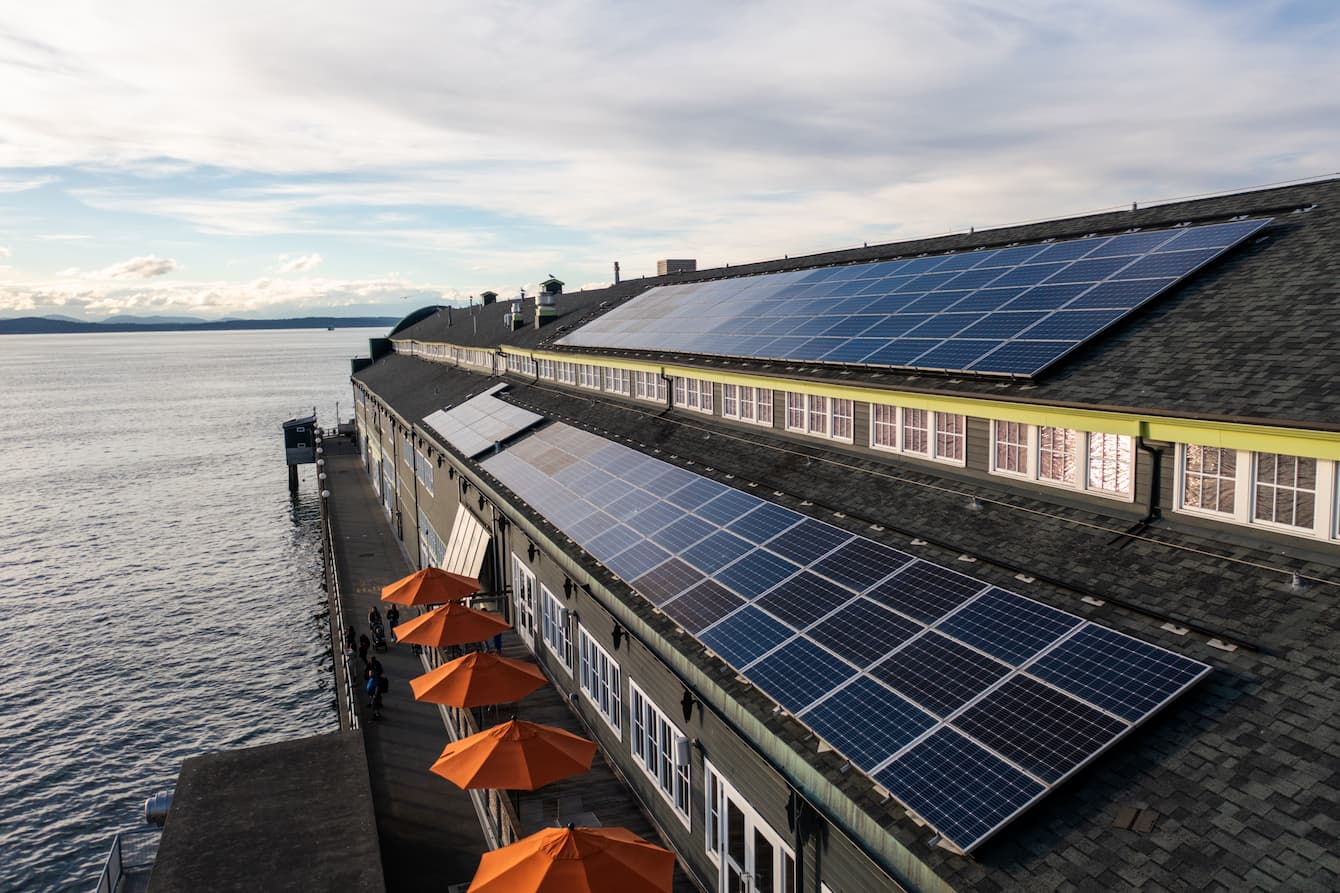
An overhead shot of the Seattle Aquarium's Pier 59 building, showing the long stretches of solar panels installed on the roof.
Solar panels on the roof of our existing Pier 59 building provide renewable energy for Aquarium guests and animals in our care.

Why the focus on carbon?

We all impact the ocean through our actions. The Aquarium is no different!

Too much carbon in the atmosphere is warming the ocean and planet. These changes are wreaking havoc on delicate ocean ecosystems. As coastal storms intensify and seawater levels rise, human communities are feeling the impacts too.

Since 2012, the Aquarium has been carbon neutral, meaning that we’ve offset any emissions we’ve produced so that we don’t add net carbon to the atmosphere. And since 2014, we’ve offset more carbon than we emit for scope 1 and 2 emissions. In 2020, we took that further by also offsetting more than we emit for select scope 3 emissions. (Learn more about scope 1, 2 and 3 emissions on the EPA website.) When purchasing carbon offsets, we work with a climate consultant to select options that are third-party verified and align with our values.

Plans are in the works to revitalize the other buildings on the Aquarium’s campus—and we’ll continue challenging ourselves to meet tough green building standards. This goal complements the work we’re doing every day to conduct marine conservation research, advocate for ocean-friendly policies, rescue animals, provide exceptional animal care and restore endangered species—all of which are possible with support and engagement from our community members—like you!

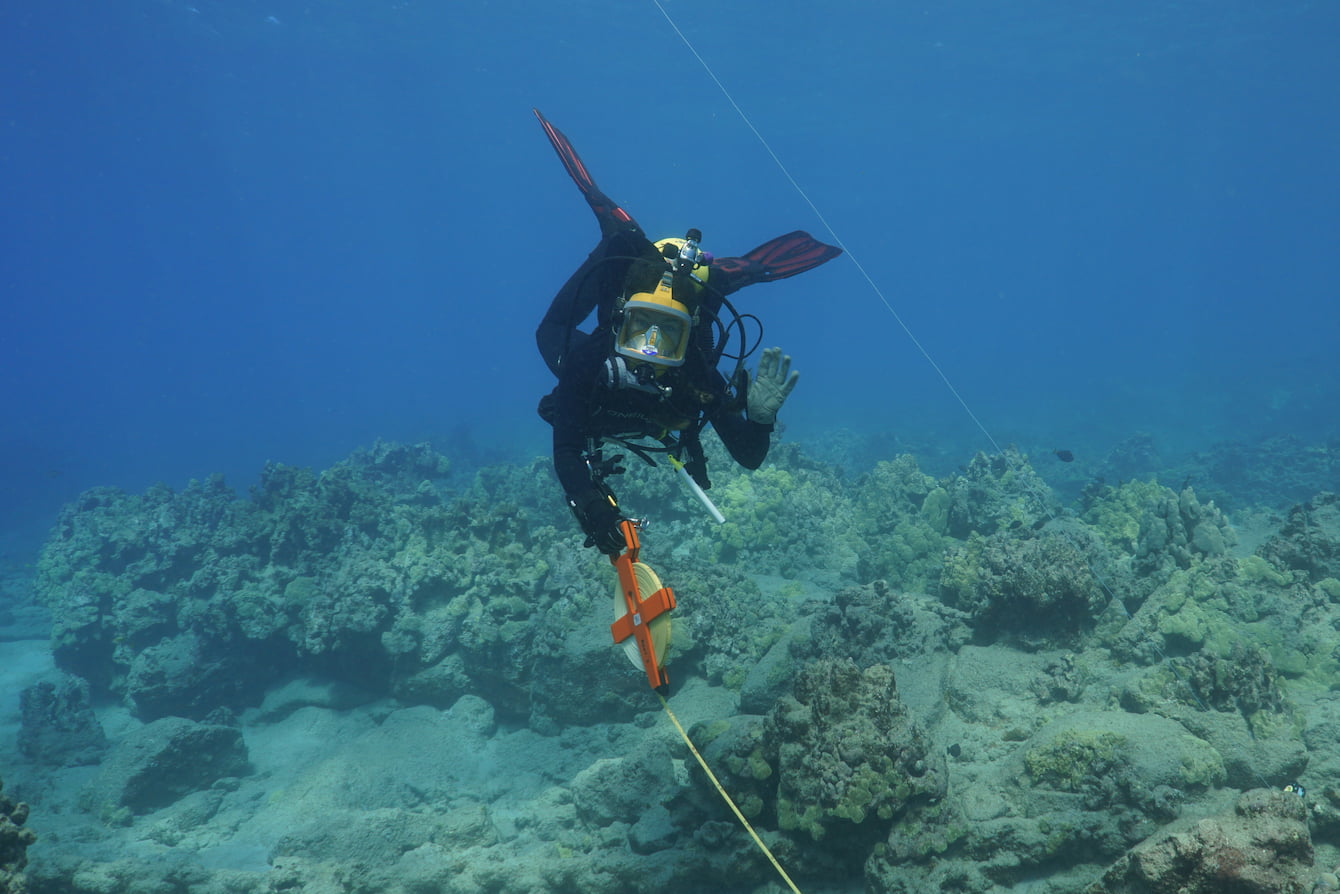
A diver waving underwater. They hold a spooled measuring tool.
Stewarding shared resources like energy and waters aligns with our work to research marine ecosystems and share what we learn with others.

Health care for feathered friends at the Aquarium: A birds-eye view

This story is part of our series, The Doctor Is In—highlighting our veterinary team’s expertise in service of animal wellbeing.

It’s not just marine mammals at the Aquarium who are trained to cooperatively participate in their own health care. The birds entrusted to us participate in their own care too. How do they do it? By eating!

“Animal care staff can closely monitor food consumption to help assess health,” says Supervisor of Birds and Mammals Sara Perry. “We count how many and what type of fish or bug each bird eats during the day. Overall behavior during a feeding can tell us a lot about the wellness of the bird as well.”

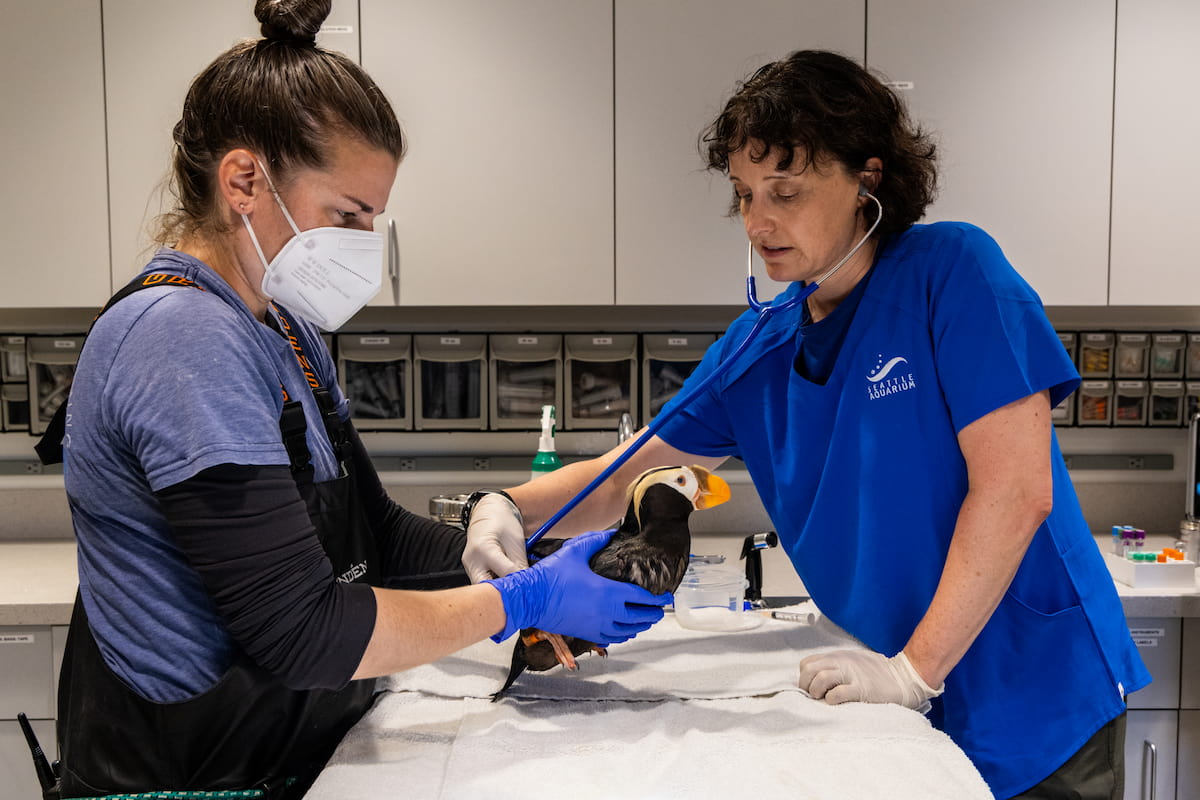
Sara Perry and Dr. Caitlin Hadfield standing on either side of an examination table. Sara is gently holding a tufted puffin just above the examination table while Dr. Hadfield presses a stethoscope to the puffin's back.
Supervisor of Birds and Mammals Sara Perry (left) assists Director of Animal Health Dr. Caitlin Hadfield (right) with a health check on a tufted puffin.

Working toward the clean plate club

When feeding alcids (including the common murres, rhinoceros auklet and tufted puffins in our care), staff can also deliver specific vitamins or necessary medications, expertly hidden in a tasty fish. It’s similar to how parents of young children may “hide” vegetables in a favorite food!

The comparison to human children doesn’t stop there: Animal care staff often need to be creative and patient when feeding birds. “They’re not like a sea otter who will usually eat anything at any time, or a seal who just gulps fish down. Ask any of our staff, feeding the birds takes finesse!” Sara laughs. “We rely on our knowledge of each bird, their behavior and their preferences—depending on time of year—and apply it to a group setting.”

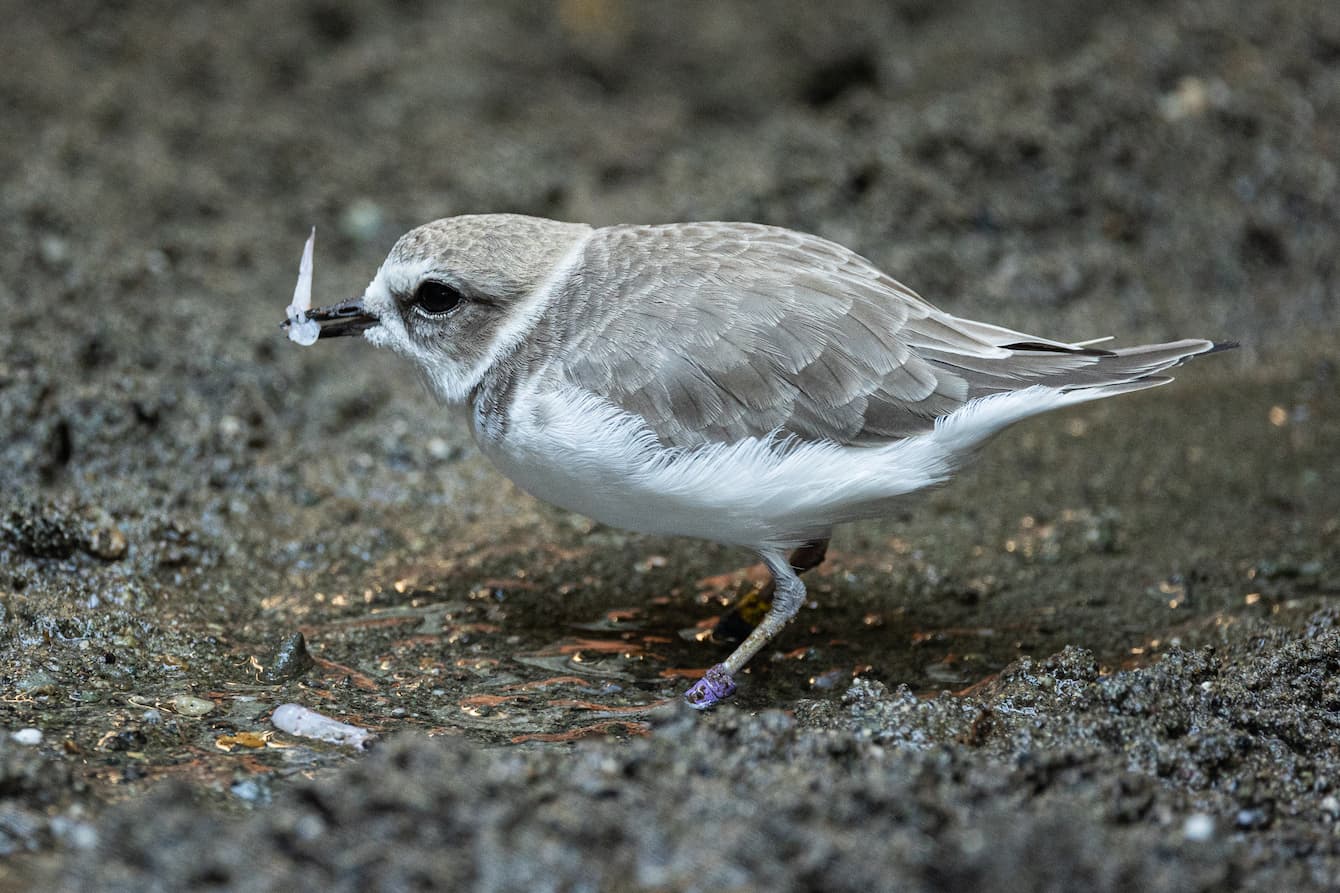
Crush the western snowy plover eating a small, translucent shrimp.
Crush the western snowy plover enjoying a shrimp breakfast.

"You look like you haven't aged a bit!"

Here at the Seattle Aquarium, we have a good number of elderly birds in our care. But it’s hard to know that just by looking at them. Why? Birds don’t show graying of feathers as they age, unlike the graying or lightening of hair and fur of mammals (including us humans!)—so it’s not possible to estimate age based on that indicator.

Birds do show other age-related changes that are seen in mammals, though. For instance, their mobility and vision may deteriorate over time, their appetites may change, and they may rest more than younger birds. “Our Aquarium staff know each bird as an individual, which allows us to adjust feeding and spaces to help the older ones,” comments Director of Animal Health Dr. Caitlin Hadfield. “It’s all in the name of taking the best possible care of each bird at the Aquarium for their whole lives.”

Did you know?

All the birds (and mammals) at the Seattle Aquarium fall into one of two categories—they were either born at a zoo or aquarium or they were rescued and have been deemed non-releasable according to the guidelines established by government agencies such as the U.S. Fish and Wildlife Service and policies such as the Migratory Bird Act.

Providing the very best care and quality of life for the animals entrusted to us—at all stages of their lives—is a vital part of our mission, Inspiring Conservation of Our Marine Environment. Learn more about birds at the Aquarium on our website or, better yet, plan a visit with us soon!

Inside the world of “enFISHment”—enrichment for fish!

You’ve probably seen pictures or videos of animals at the Seattle Aquarium enjoying enrichment. Maybe you’ve caught sight of a sea otter receiving a treat during training or a giant Pacific octopus solving a puzzle. But did you know that every animal at the Aquarium receives enrichment—including the fish?

In animal care, enrichment includes experiences and care that allow animals to exercise their natural behavior or instincts, stimulate themselves physically or mentally, and experience an environment that meets their needs. And while that can look like toys, puzzles and training, it also includes sensory experiences, feedings, habitat elements and social opportunities.

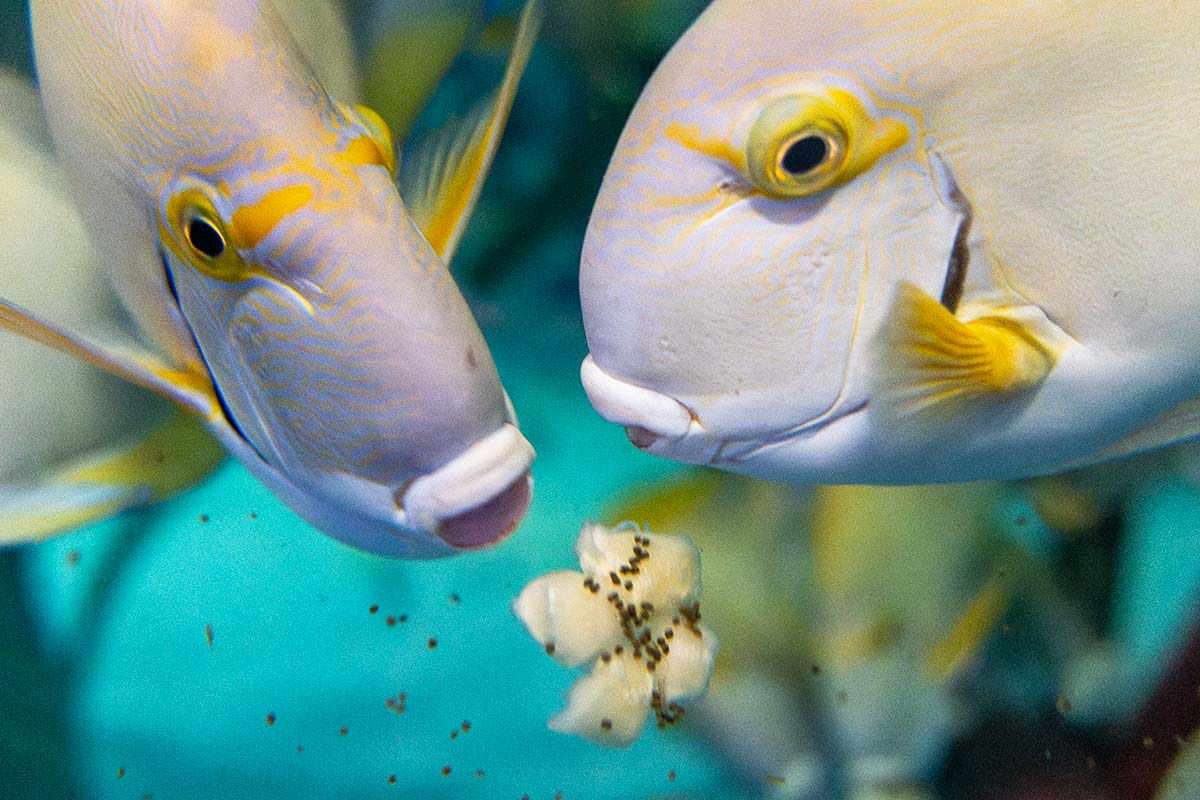
Two yellowfin tang eating.
Floating ice treats provide enrichment by allowing these yellowfin tangs to chase after their food, just like they would in the ocean.

For fish, enrichment usually includes changing up their environment, providing appropriate habitats for each species, thoughtful feeding techniques and other good animal care practices. In fact, much of the daily care for these animals contributes to enrichment in some way.

As an institution accredited by the Association of Zoos and Aquariums (AZA)—a global independent nonprofit that holds its member zoos and aquariums to the highest standards—the Seattle Aquarium submits our enrichment plans for AZA review and approval. Our team also keeps detailed enrichment logs, to ensure we’re meeting each animal’s requirements.

Mindful meals

Our team puts a lot of thought into how they feed fish, as mealtime is a great time to satisfy different species’ physical and behavioral needs. The method of food distribution plays a part in this. In most large, mixed-species habitats—where fish often share space with plants and invertebrates like sea stars, anemones, corals and crustaceans—food is dispersed throughout the water. But that doesn’t mean food is simply dropped in.

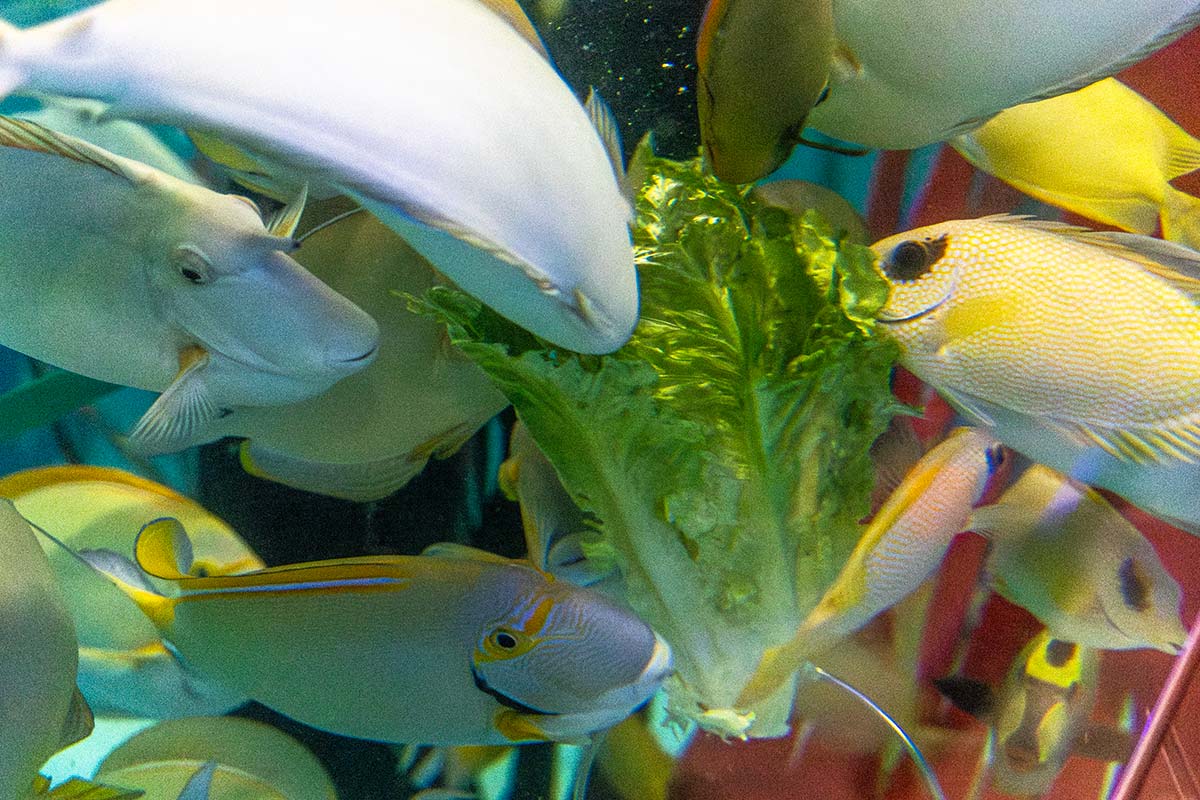
Aquarists can release food near the pump in a habitat, so the current carries it away. The fish chase after it, just like they would hunt food in the ocean. Team members can also vary where in the habitat they release food, to give the fish a sense of novelty and allow them to find food independently. To mimic natural grazing behaviors, animal caretakers give tropical fish lettuce for them to munch on. And aquarists at our offsite Animal Care Center—where future Ocean Pavilion residents now live—regularly place Manila clams in the spotted eagle rays habitat, which fulfills the rays’ natural desire to sift through the sand for food and exercise their plate-like teeth.

A group of yellow tang, rabbitfish, and unicornfish munching on a piece of lettuce.
Fish can experience enrichment by indulging in their natural grazing behavior when they nibble at lettuce.

Some of the larger fish at the Animal Care Center, like sharks and rays, participate in target training during certain feeding times. Aquarists signal feeding time using a whistle and have the animals touch a target—which is a different shape and color for each species—before being rewarded with food. This training builds trust and prepares the animals for how they’ll eat and receive veterinary care in their buzzing, multi-species habitat at the Ocean Pavilion. See the process for yourself in our Animal Care Stories!

Change is a good thing!

We could all use a change of scenery every once in a while. To keep fish stimulated and mimic the ever-changing conditions in the ocean, aquarists regularly change up parts of their habitats. That can mean moving around rockwork or other physical pieces of the habitat. Team members can also adjust the water flow for a change of pace.

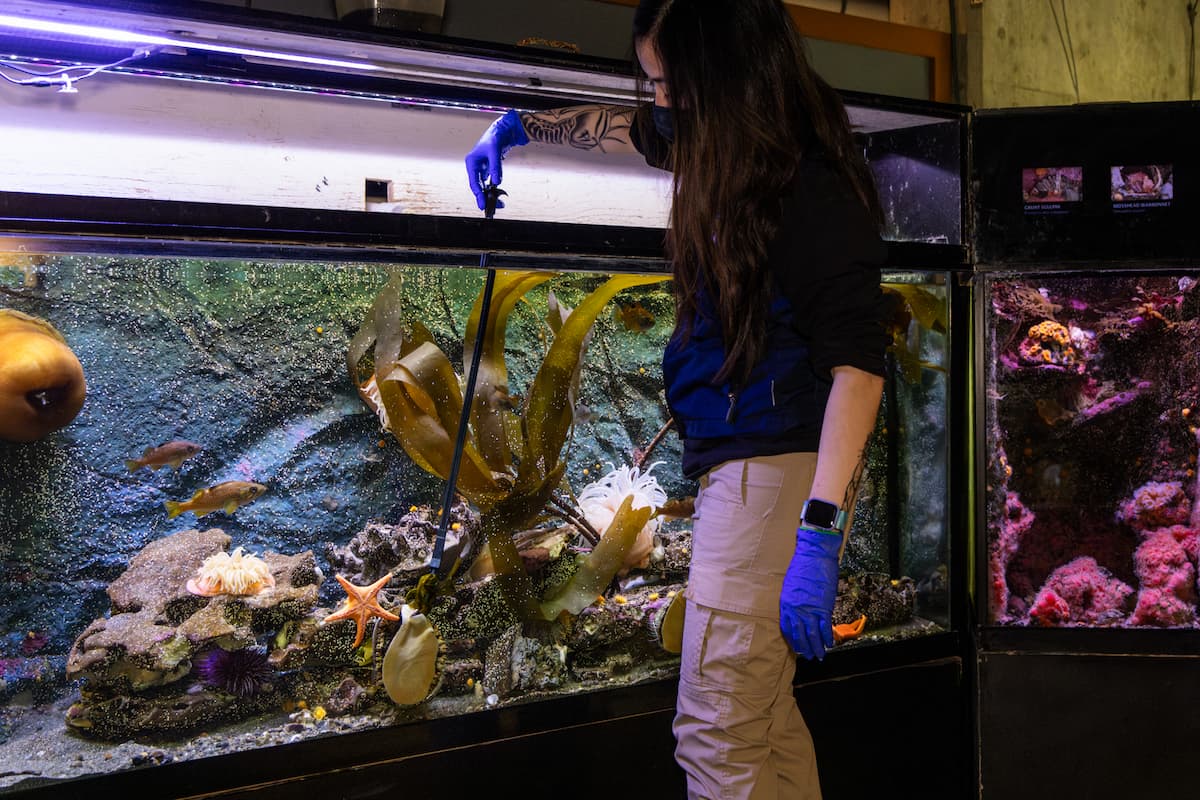
Habitat cleaning keeps things fresh in more ways than one! It’s a great time to make some positive changes to a space. Cleaning walls, rockwork and substrate naturally shifts the habitat’s landscape.

The cleaning process—undertaken by knowledgeable aquarists—also introduces something new to animals’ environments. Usually, that novelty comes in the form of a scrubber, scraper, grabber or even a pair of hands. During a cleaning, aquarists are attuned to any animal that seems particularly startled by a new object in their environment, though most animals at the Aquarium quickly acclimate to these routine cleanings.

Keeping an eye out

But how can aquarists know that fish enrichment is effective? Through observational work!

By paying close attention, aquarists can make note of how the animals respond to enrichment time. If animals seem bright and alert during feedings—like a bay pipefish hunting for its food—that’s a good sign. Aquarists also keep an eye out to make sure all animals in a habitat get a chance to eat.

A Seattle Aquarium employee using an extended rod to feed kelp to pinto abalone.
Introducing tools, like this grabber, to habitats during feeding or cleaning time enriches fish and invertebrates by adding something new to their environment.

Through their daily care, aquarists get to know the behavior of individual fish pretty well. Understanding these animals’ habits helps inform decisions about their care. For example, a clown triggerfish at the Animal Care Center had such a bold personality, that aquarists decided to move him to a habitat with larger fish where he could really assert himself.

We can learn a lot about the fish in our care this way. Fish are smarter and more alert than some people give them credit for. They take notice too! Don’t believe it? Then you should see the way some fish follow an aquarist’s movements during feeding time. They know when it’s time for some tasty enrichment.

Urchins, anemones and sea stars, oh my! Invertebrate care at the Seattle Aquarium

This story is part of our series, The Doctor Is In—highlighting our veterinary team’s expertise in service of animal wellbeing.

Invertebrates—animals without backbones—are found in every habitat at the Seattle Aquarium. And, like all animals entrusted to us, they need expert care to thrive. “Our goal is to provide great quality of life in an enriching environment for the animal’s whole life,” says Director of Animal Health Dr. Caitlin Hadfield, MA VetMB MRCVS DiplAZCM DipECZM, “And that goes for all the animals under our care.”

“All the invertebrates get checked by Aquarium staff at least once every day,” she comments, “Their environmental conditions are checked as well—that includes evaluating the water and the systems that support it.” Although some invertebrates may seem like fairly simple animals on the surface, managing their care, says Dr. Hadfield, presents some interesting challenges. One of them stems from tracking the number of animals of each species because some, like corals, can be colonial. “It gets tricky,” says Dr. Hadfield. “Do we track this as one animal—a coral head certainly looks like one structure—or as the thousands of polyps that make up that structure?”

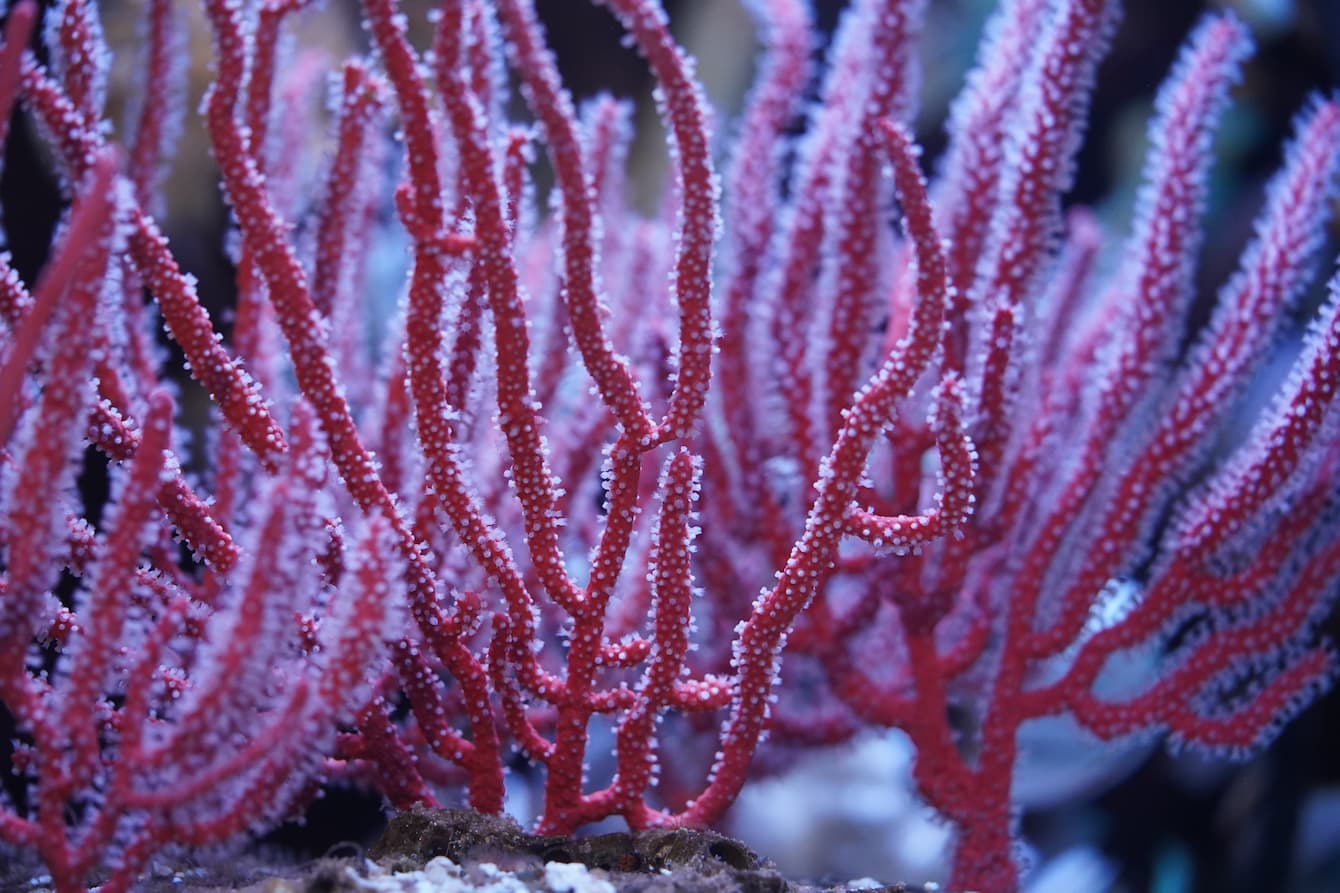
A small colony of pink swiftia coral.
Almost all corals are colonial organisms, meaning that what may look like a single animal is actually many—sometimes hundreds of thousands!—of animals, called polyps, living together.

Even invertebrates need primary care providers

Regardless of how they’re counted, invertebrates, like all the animals at the Aquarium, are part of our preventative medicine program. Aquarium biologists are on the front lines of animal care, making careful observations of each animal at least once a day. “Our staff are experts at evaluating the animals they’re caring for and are able to identify subtle changes in their appearance or behavior,” says Dr. Hadfield. Because all animal care staff have the training and experience to make these evaluations, each animal at the Aquarium has the equivalent of a PCP, or primary care provider, who has the best understanding of their health history and needs.

Routine exams, in many cases, are also part of the Aquarium’s preventative medicine program (yes, even for invertebrates!). “A big part of that is reviewing the animal’s history,” says Dr. Hadfield. “For that, we rely on the knowledge of our animal care specialists and the information in our record systems.” Along with that review, an invertebrate checkup might involve a physical exam, fluid collection or ultrasound, depending on the animal’s needs. Sea urchins need their teeth checked, too!*

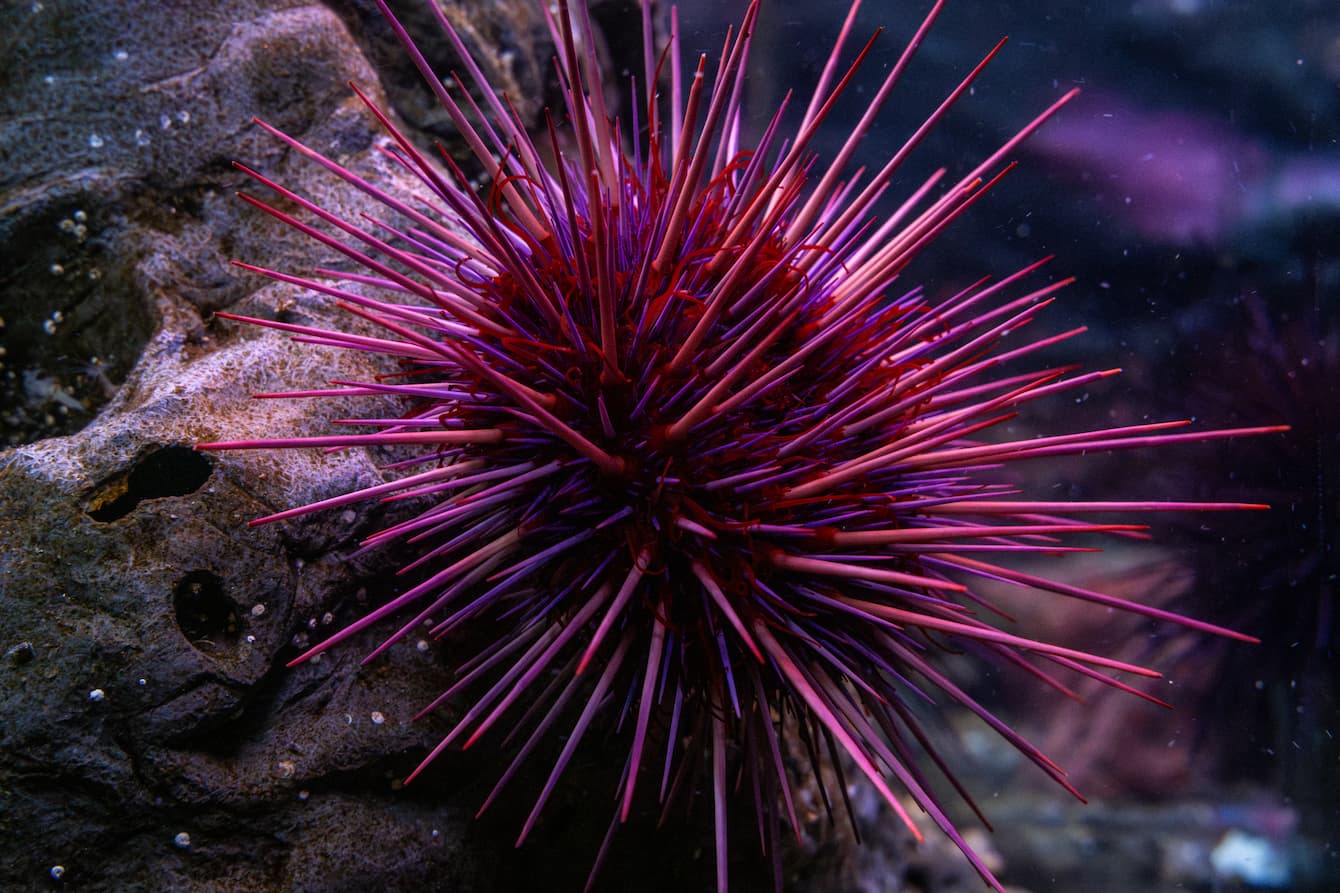
*Surprise­—sea urchins have teeth! They’re arranged in circle at the bottom of the urchin’s body.

A close-up shot of a large purple and red sea urchin.
Have you ever been "hugged" by a sea urchin? Come experience it in the touch pools at the Seattle Aquarium!

All for one, one for all

When doing health checks, it’s important to consider all the animals in a habitat. “If an animal isn’t eating well,” notes Dr. Hadfield, “It could be normal for that time of year or life stage, but it could also be because there’s something wrong with that animal, the other animals around it, or the world it’s living in.” In those cases, animals that show symptoms first can become “canaries in the coalmine” for issues that might affect neighboring animals. Closely monitoring individual animals can keep smaller problems from spreading and becoming bigger.

Providing the very best care and quality of life for all the animals entrusted to us is a vital part of our mission, Inspiring Conservation of Our Marine Environment. Learn more about invertebrates at the Aquarium on our website or, better yet, plan a visit with us soon!

Expert animal care at every age

This story is part of our series, The Doctor Is In—highlighting our veterinary team’s expertise in service of animal wellbeing.

Our highest priority is providing the best possible lives for the animals in our care—nearly 18,000 fish, invertebrates, birds and mammals with the opening of the Ocean Pavilion. At the forefront of this work are our veterinary, water quality and animal care teams, whose members monitor the health of the animals every day.

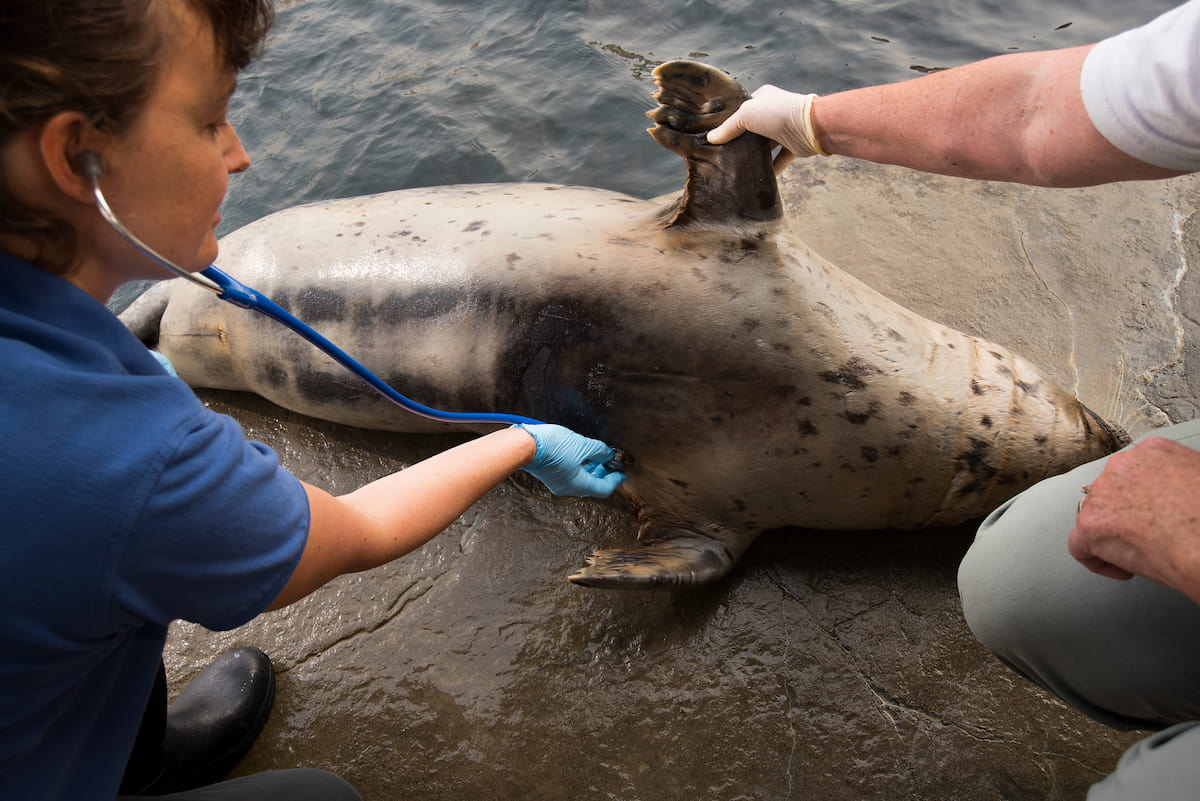
Director of Animal Health Dr. Caitlin Hadfield, MA VetMB MRCVS DiplAZCM DiplECZM, is the veterinarian in charge: performing routine observations, interpreting records with animal care staff, providing treatments for animals when needed, and undertaking physical examinations routinely and when concerns arise.

Dr. Hadfield crouching next to harbor seal Barney. Barney is laying on his left side; Dr. Hadfield is holding a stethoscope to his chest. A second veterinary technician is gently lifting Barney's flipper out of the way.
Harbor seals at the Aquarium are trained to cooperatively participate in their own health care.

Not surprisingly, some of those issues of concern are related to aging. Geriatric* medicine has become a focus for animal care specialists at zoos and aquariums accredited by the Association of Zoos and Aquariums (AZA)—including yours truly—for the best possible reason: as we continue to learn and share information, animals are living longer and longer lives.

*The term “geriatric” refers to older individuals, whether human or another kind of animal. Just as elderly humans require specialized medical care, other elderly animals do as well.

Caring for aging animals at the Seattle Aquarium

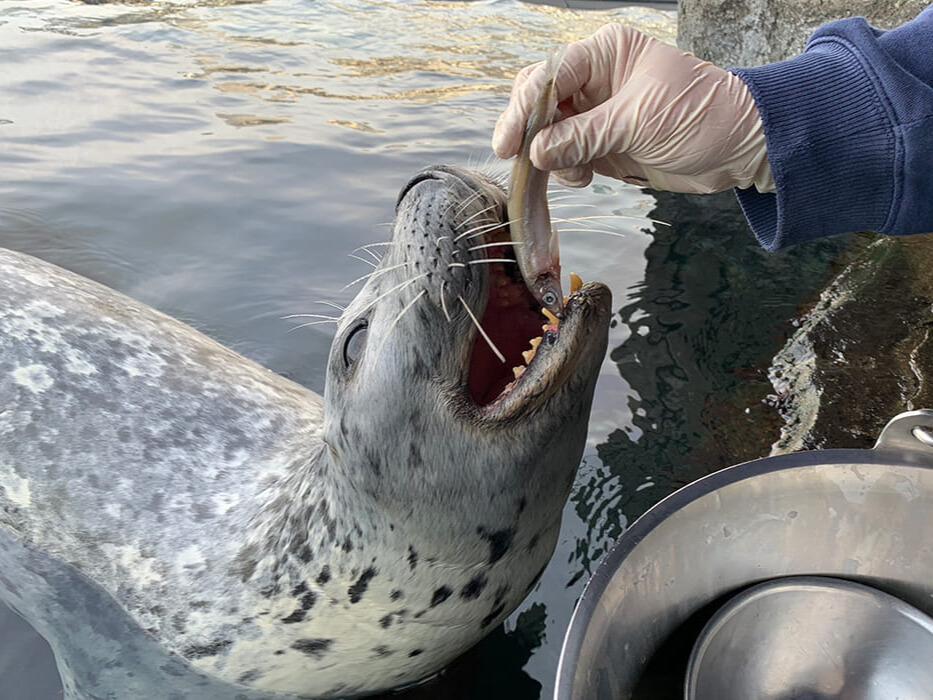
Here at the Aquarium, we have a number of geriatric animals in our care. For instance, Barney the harbor seal turned 38 in 2023, reaching a biological age that’s about the equivalent of a 100-year-old human!

Harbor seal Barney being fed a fish by a Seattle Aquarium enimal care expert.
Geriatric harbor seal Barney showing off his appetite.

And, at age 22, Adaa the sea otter was the oldest sea otter living at an AZA-accredited zoo or aquarium in the U.S. at the time of his passing in 2022. He was also the oldest male sea otter on record in the AZA studbook.*

*What’s a studbook? It’s a document that keeps track of information such as age, significant events like births or deaths, parentage and taxonomy (or the science of classifying and naming organisms). Staff at zoos and aquariums like the Seattle Aquarium work with the AZA to maintain regional studbooks for a wide variety of species. This demographic history is an invaluable tool to help guide conservation projects.

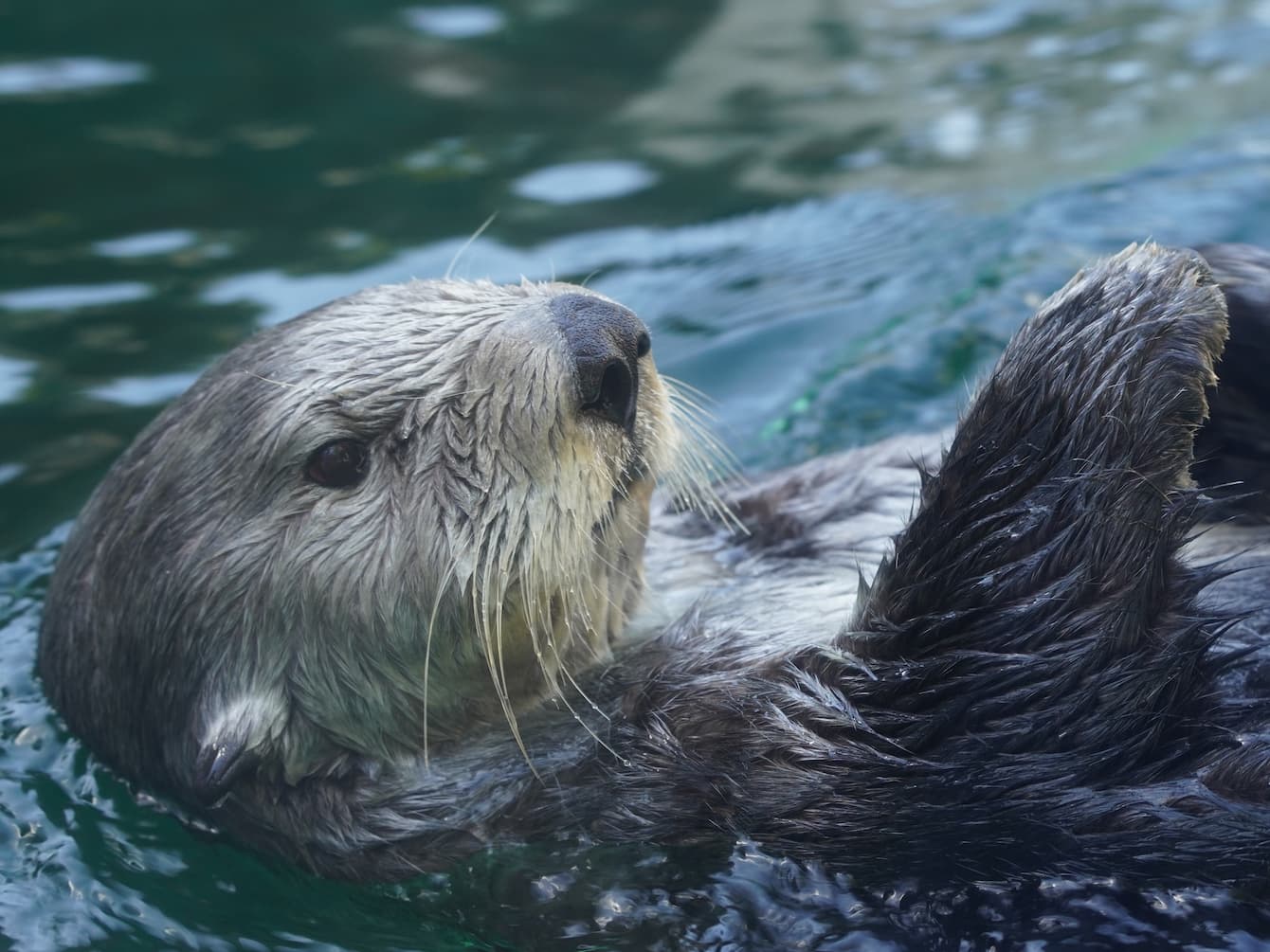
Sea otter Sekiu floating on her back.
Sea otter Sekiu is the daughter of Adaa, who lived to the impressive age of 22 in our care.

Aging is a complex process that refers to changes in all the systems and functions of an animal’s body; however, aging develops at different rates in different species. Some species of Pacific salmon, for example, have a very brief life (chronologically), dying soon after a single spawning event when they are a few years old. Spotted lagoon jellies also have shorter life spans—just three to four months. Rockfish, on the other hand, may live for over a hundred years!

Evolving care over time

The goal of geriatric care is to maintain the best possible quality of life for the individual animal during a time when they would normally be vulnerable to predation or unable to source food for themselves in the wild. Geriatric care at AZA-accredited zoos and aquariums, like ours, is respectful to each individual animal—for their life and its intrinsic value.

What that care involves differs by species and by individual. Our animal care staff work hard to create and maintain environments for aging animals that are safe and easy to use. This can be challenging for the variety of species living together in our larger habitats, such as the Window on Washington Waters and Underwater Dome. In those instances, Aquarium aquarists use their understanding of animal behavior and feeding preferences to provide the best environment possible.

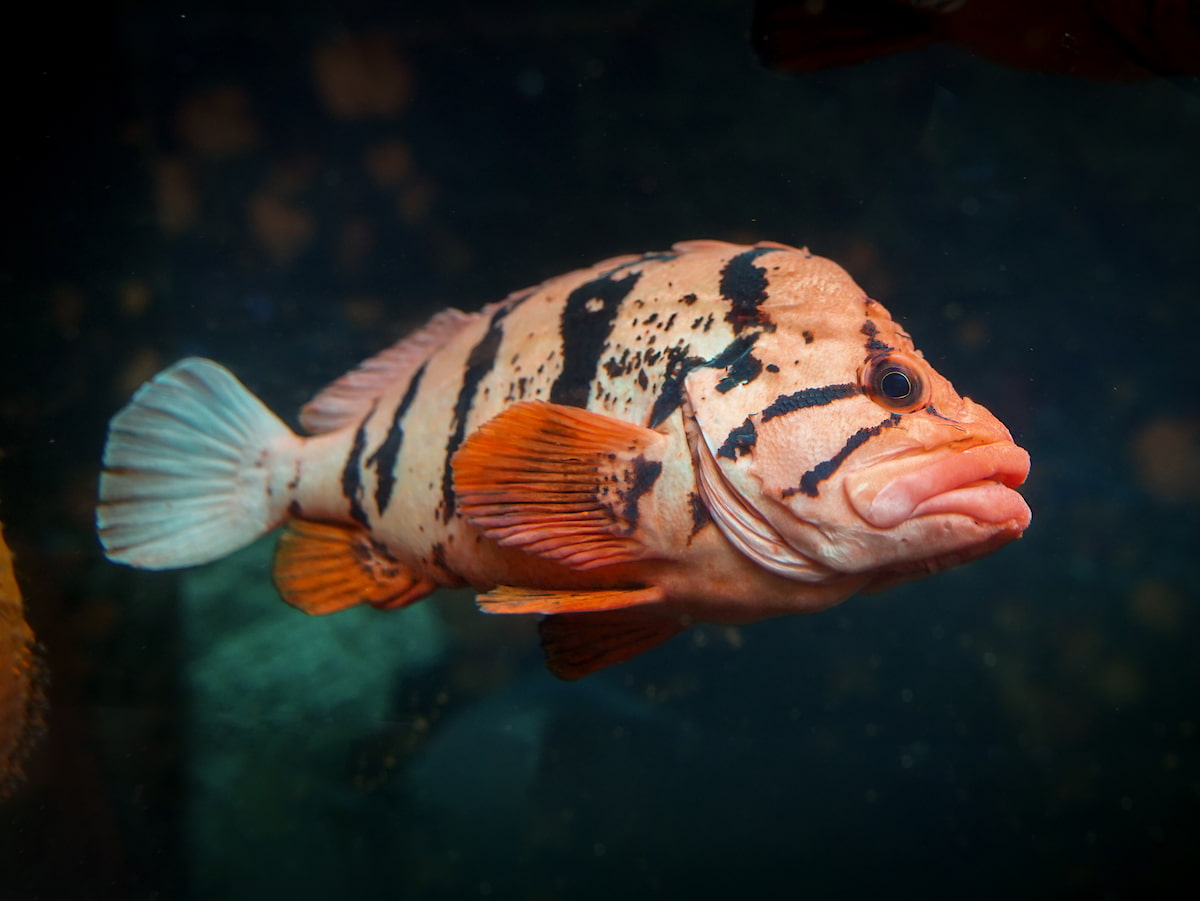
A black and orange striped tiger rockfish.
Some species of rockfish—like this tiger rockfish—can live to be well over 100 years old.

How does care evolve over time for marine mammals at the Aquarium? As these species begin to reach—and exceed—their chronological life expectancy in the wild, animal care staff may begin to adjust how they work with them. For instance, as mammals age, their risk of contracting several age-related eye diseases (such as cataracts and macular degeneration) increases, just as it does in aging humans. If visual acuity (or keenness of perception) is reduced, the Aquarium’s animal care specialists introduce more verbal and tactile cues, such as gently brushing past their whiskers. Arthritis (also known as degenerative joint disease) is also common in all mammals as they age. Just as it does for humans, management may include anti-inflammatories, joint supplements, diet modifications and adapting the environment to meet the mobility needs of the individual.

Providing the very best care and quality of life for the animals entrusted to us—at all stages of their lives—is a vital part of our mission, Inspiring Conservation of Our Marine Environment. Learn more about animals at the Aquarium on our website or, better yet, plan a visit with us soon!

Watch our care team welcome a critically endangered bowmouth guitarfish in need of a safe home

It’s difficult to describe a bowmouth guitarfish. It’s even harder to see one in the wild.

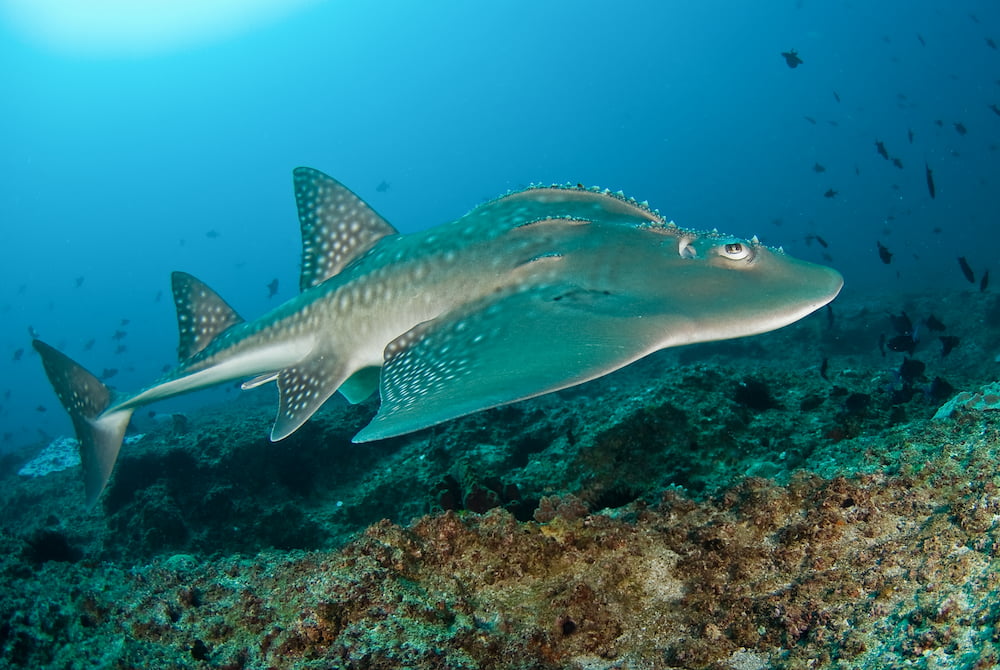
The bowmouth guitarfish (Rhina ancylostomus) has been in its current form for millions of years—and it shows. These prehistoric-looking, blueish-grey fish appear to be part ray, part shark and even part dinosaur. They sport gills on their undersides, a telltale sign that they are, in fact, rays 

A bowmouth guitarfish swimming along the rocky ocean floor.
Bowmouth guitarfish, solitary by nature, often live in coastal areas.

Elusive and endangered

Though they live close to shore, sightings are rare. The bowmouth guitarfish is classified as “Critically Endangered” on the International Union for Conservation of Nature (IUCN) Red List of Threatened Species®, meaning they have an extremely high risk of extinction.

Earlier this year, the Seattle Aquarium had an unexpected opportunity to provide a safe home to a bowmouth guitarfish pup. And next summer, visitors to the Aquarium’s new Ocean Pavilion will have the chance to be part of her surprising story.

And then there were nine!

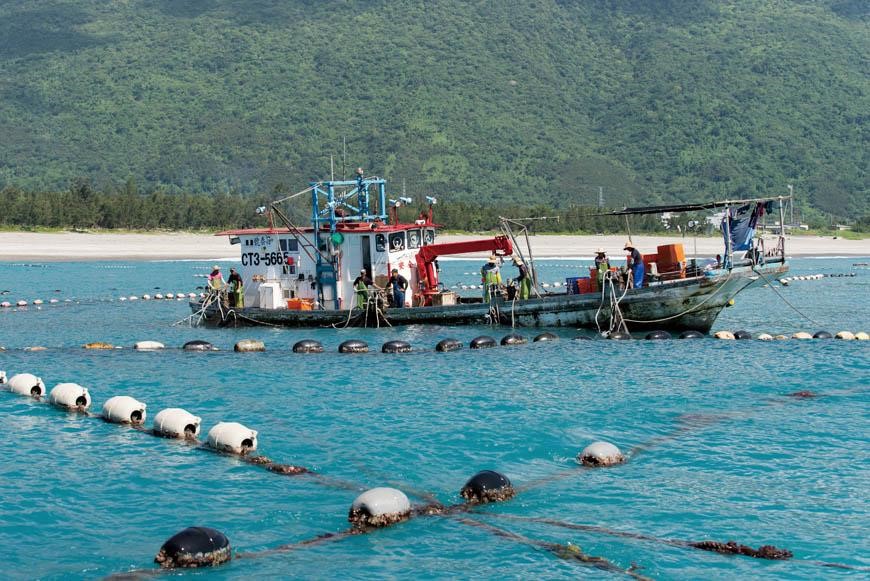
The pup’s mother was caught in a commercial fishing set net off the east coast of Taiwan. What happened next surprised everyone: while in a holding pool at the fishing center, the mother gave birth to nine live pups.

Our conservation partner in Taiwan, Fred Fan of Fred Fan Aquatics, quickly diverted the animals to a safe place. He then contacted the Seattle Aquarium to work on finding them a long-term home. There are no marine-protected areas where the mother was caught, and fishing for bowmouth guitarfish is legal throughout many regions of Asia. As a result, releasing the mother and pups would have put them at risk of getting caught in another net.

A commercial fishing vessel deploying large nets near the sandy shore of a beach.
Commercial fishing set nets, like this one, can trap bowmouth guitarfish. Photo: Fred Fan.

Pups provide hope

The existence of nine bowmouth guitarfish pups in one place felt both miraculous and daunting.

Fan and the Seattle Aquarium contacted additional conservation partners in the region and North America, knowing that accredited aquariums have animal care and species recovery expertise.

Late one night in January 2023, the pups—donated by Fan—arrived from Taiwan to the Seattle Aquarium’s offsite Animal Care Center. There, eight pups would quarantine and receive care for several weeks before moving to teams at the Georgia Aquarium, Shedd Aquarium and Disney’s Animals, Science and Environment. And one female pup would remain in Seattle.

No time to waste

Globally, around 400 species of elasmobranchs—sharks and rays—are threatened, largely due to overfishing. In fact, an estimated 100 million individual sharks are killed by people every year. Fishing records for bowmouth guitarfish suggest we’ve lost more than 80 percent of the species in recent years.

Meanwhile, accredited aquariums have been caring for bowmouth guitarfish since 2005. In 2014, a bowmouth guitarfish pup was born in an aquarium for the first time.

We’re still learning about these solitary, elusive fish. We know that they live in relatively shallow, coastal waters, where they stay close to sandy bottoms. They like to crunch on the crustaceans and mollusks they find on the ocean floor. (The bowmouth guitarfish who will live at the Aquarium’s new Ocean Pavilion eats restaurant-quality, sustainably sourced lobster, shrimp and bony fish.)

Though bowmouth guitarfish are rare, they are also wide-ranging. They’re found in coastal areas throughout the Indo-West Pacific, including from South Africa north to the Middle East, South Asia, Southeast Asia, north to Japan and south to Australia. This range provides the chance for many communities and people to be part of the effort to restore their numbers.

Sharing knowledge is key

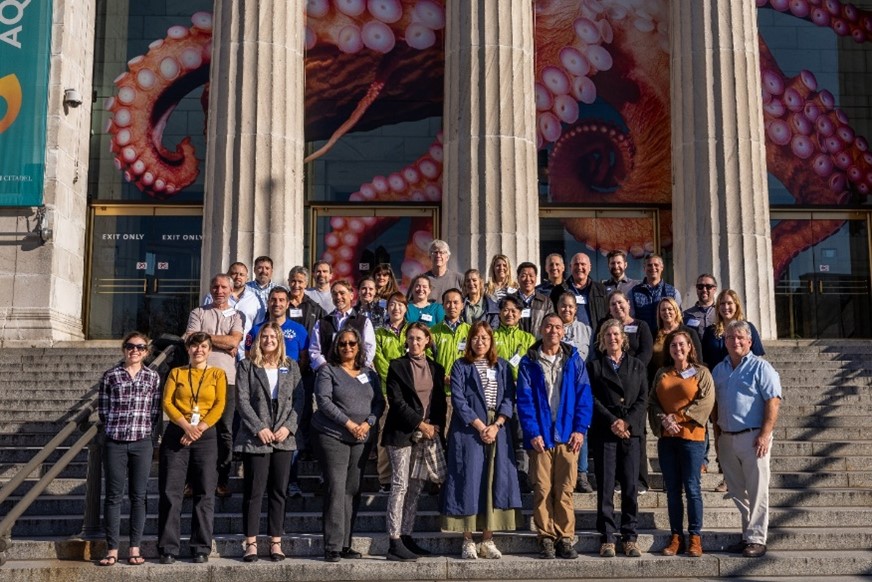
In November 2023, Fred Fan, aquariums from across the world, academic partners and conservation leaders met at Shedd Aquarium in Chicago to discuss the role aquariums can play in preventing bowmouth guitarfish from going extinct, as well as the structure and development of programs to aid in their recovery.

A large group of people standing on the outer steps of the Shedd Aquarium.
Marine conservationists, including members of the Seattle Aquarium, at Shedd Aquarium in November 2023.

Restoring wild populations requires trust, partnership, expertise, genetic diversity of the species and time—the least available resource a critically endangered species has. Even so, there’s hope and a highly committed team of marine scientists, researchers and care experts working on these plans.

Beginning next summer, when you visit the Ocean Pavilion, you’ll meet the bowmouth guitarfish in our care and learn how you can join efforts to advocate for the survival of this ancient, fascinating species.

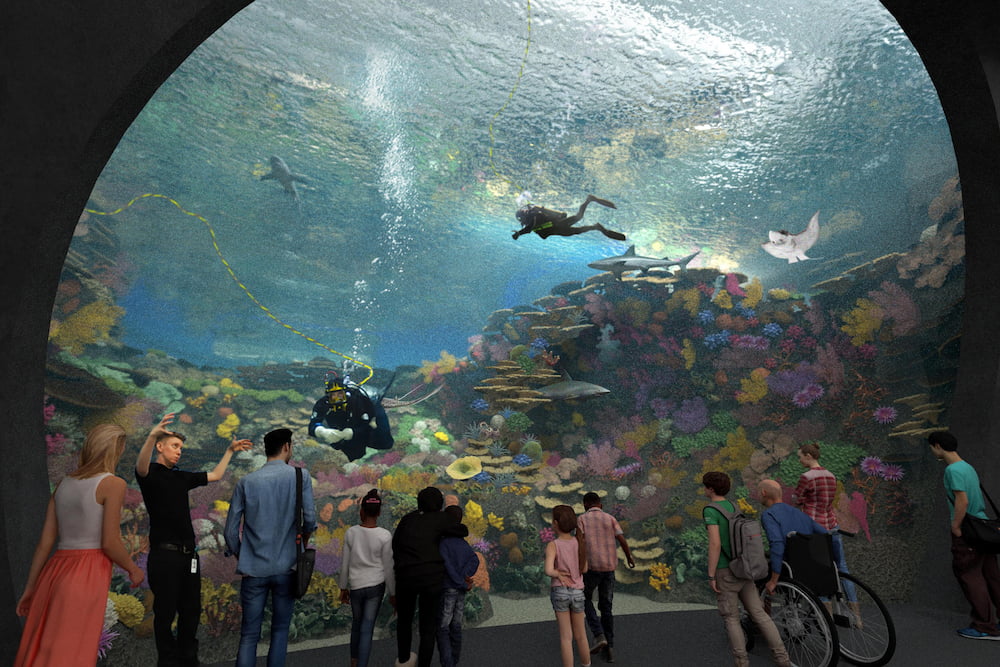
A digital rendering of the future Reef habitat at the Seattle Aquarium's Ocean Pavilion. The Reef features a large, circular, floor-to-ceiling glass wall that looks into a vast coral reef ecosystem.
The Reef habitat in the Seattle Aquarium’s Ocean Pavilion, where visitors will meet the bowmouth guitarfish in our care.

“Like human nurses—but in the veterinary field:” All about vet techs at the Seattle Aquarium

This story is part of our series, The Doctor Is In—highlighting our veterinary team’s expertise in service of animal wellbeing.

Veterinary technicians—or vet techs—are an integral part of the veterinary care team here at the Seattle Aquarium. But what does it mean to be a vet tech, and what kinds of education and experience are needed to work as a vet tech in an aquarium setting? Lindy McMorran, BS LVT Cert AqVN /T, and Erika Russ Paz, BS LVT, recently sat down with us to share some details.

First things first: What's a veterinary technician?

“It’s like a human nurse—but in the veterinary field,” explains Lindy. Similar to a nurse in a clinic or hospital, Lindy and Erika might spend a typical day at the Aquarium running anesthesia during a procedure, dispensing medications, taking x-rays, maintaining supplies and equipment for the Aquarium’s Veterinary Care Center and scheduling exams. They may also be found working with animal care staff to train behaviors that help with animal care, such as the ability to give an injection or take a blood sample with an animal’s cooperation.

Both women have Bachelor of Science (BS) degrees—Lindy’s in marine biology; Erika’s in marine science with a minor in biology—and licensed veterinary technician (LVT) credentials. Earning the credential requires about two years of full-time studies, followed by a national exam and state test. (Details, including alternative criteria, can be found on the Washington State Department of Health website.)

Most vet techs go on to work at the kind of veterinary clinic where you might take a pet dog or cat, so the curriculum focuses on their care. Although much of the core training applies to animals of all kinds, “there was no training that was specific to aquatic animals,” notes Lindy.

For vet techs in aquarium settings, that’s where hands-on experience, internships and/or additional courses—not to mention a passion for the marine environment—come in.

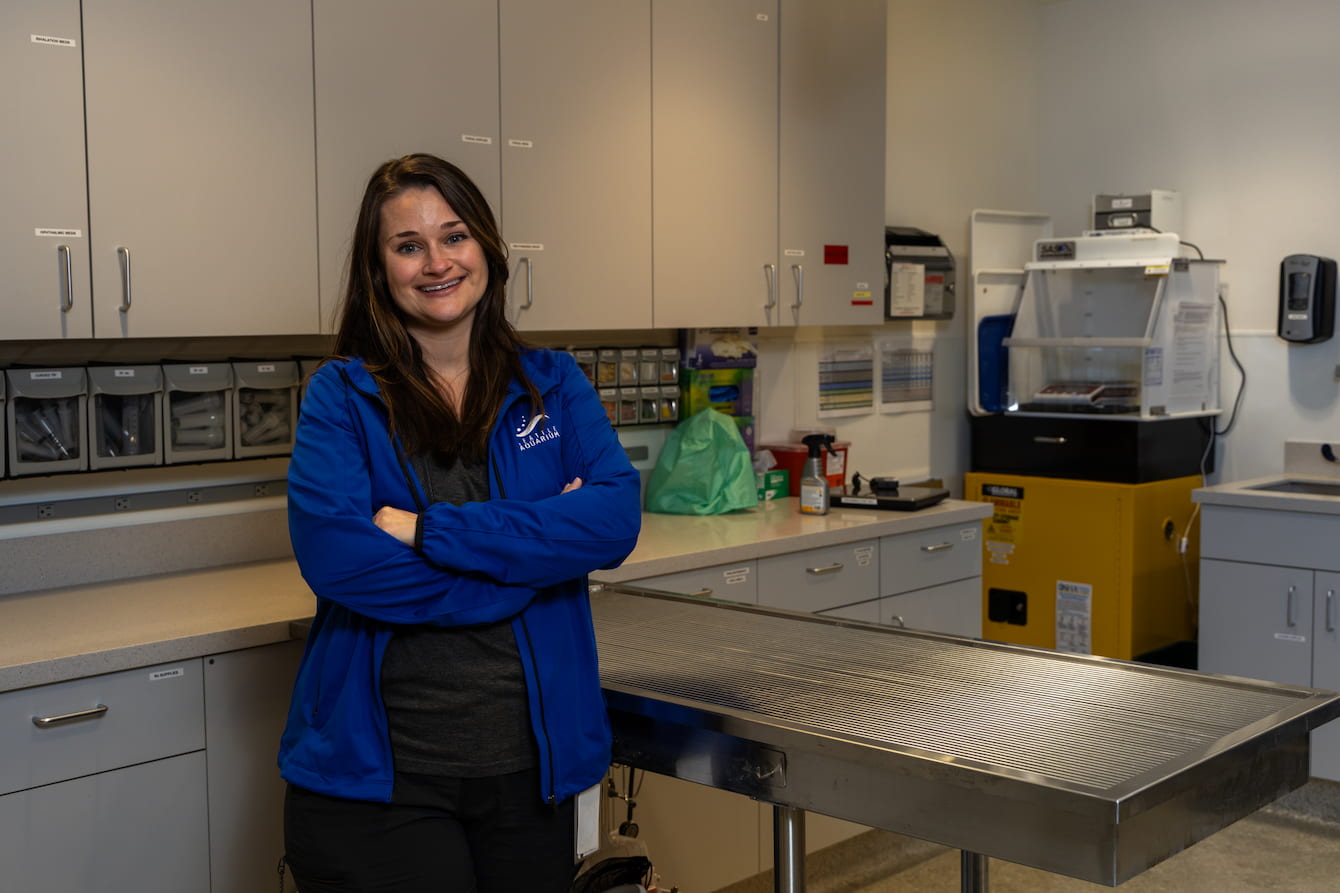
Erika Russ Paz standing in the Seattle Aquarium's Veterinary Care Center. She has straight brown hair and wears a blue Seattle Aquarium jacket.
Erika Russ Paz, our newest vet tech, makes use of our Veterinary Care Center to help fish, invertebrates, birds and marine mammals stay healthy.

Says Erika, describing highlights of the path that brought to her to the Aquarium, “I worked as an educator and marine science camp counselor at an aquarium during college. I also interned at an aquarium and as a wildlife rehabilitator. And, after graduation, I spent time as an observer in Alaska, collecting data to help manage our fisheries. I worked with PAWS, caring for a wide variety of species from the Pacific Northwest, as well. ”

That’s in addition to seven years in a general veterinary practice before joining our team early this year. “A background in marine science and biology, along with a passion for the ocean and care of animals, ultimately led me to the Aquarium,” Erika comments.

Specialties: Not just for human nurses

“Human nurses can have specialties, like oncology or pediatrics. Veterinarians can have those same kinds of specialties,” Lindy says. “But for vet techs, specialties are less common.”

Like Erika, Lindy augmented her schooling by working with marine animals—for example, as a volunteer for SR3, a local organization focused on marine mammal rescue and rehabilitation, and here at the Seattle Aquarium. She’s been focused on aquatic animals since 2007: as an intern, a lab assistant, an instructor and more.

Through her years of specific experience with aquatic animals, Lindy recently earned a new credential, Certified Aquatic Veterinary Technician, from the World Aquarium Veterinary Medical Association (WAVMA). She’s just the second person in the continental United States to achieve the certification, which became available from WAVMA at the beginning of 2023, joining select others from around the world.

Put simply, the new credential recognizes Lindy’s expertise with marine animals. “It’s one of the only ways a vet tech in the aquarium field can prove their experience,” she notes. “For instance, there is no board certification specialty for vet techs in aquatic medicine, but there is one for zoos.”

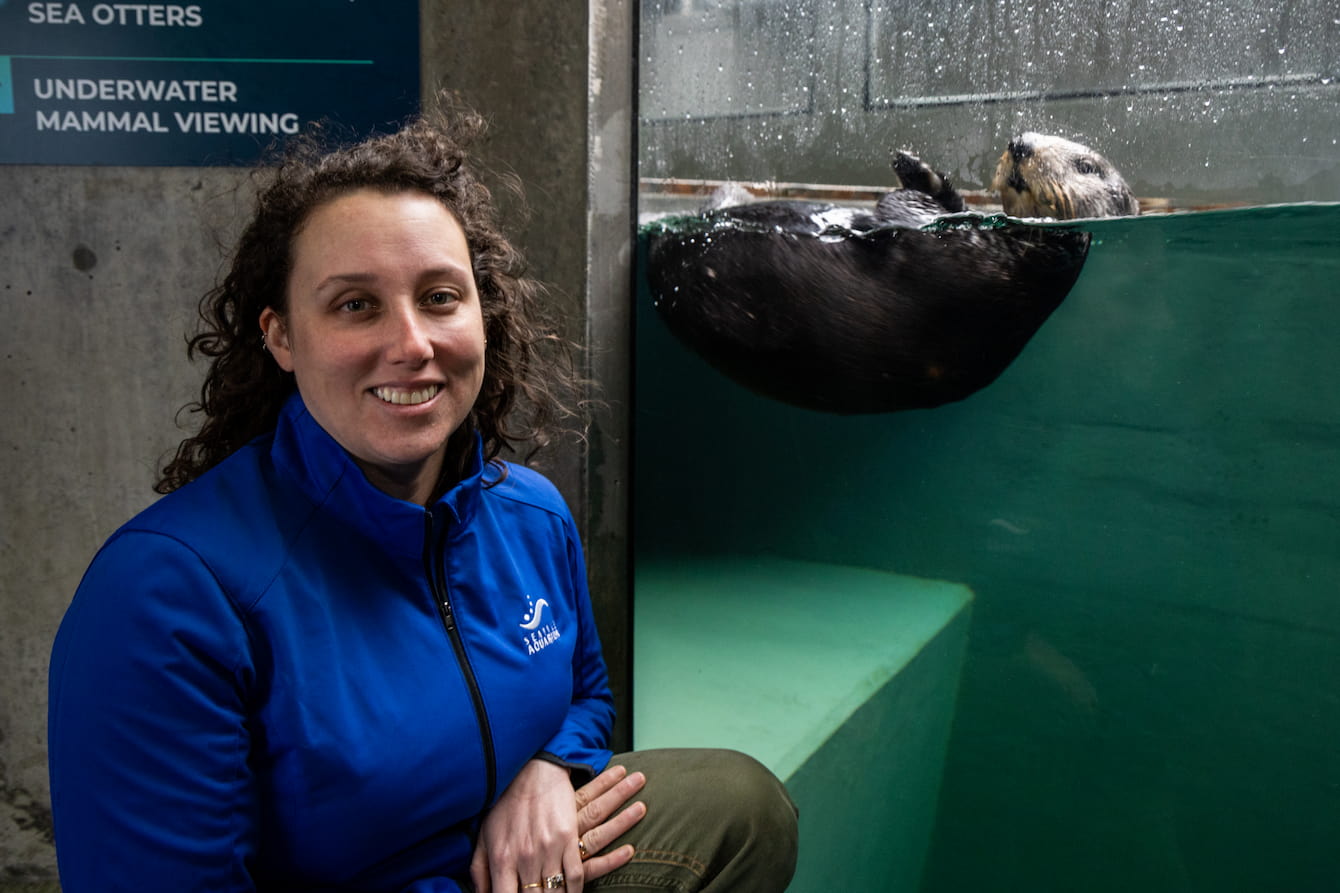
Lindy McMorran crouching next to the sea otter habitat at the Seattle Aquarium. Lindy has long, curly hair and wears a blue Seattle Aquarium zip-up. Sekiu the sea otter swims behind her.
Caring for adorable sea otters is just one perk of Veterinary Technician Lindy McMorran's role.

Broad experience + passion = a well-rounded, expert team

“Growing our veterinary team and seeking people with diverse backgrounds and areas of expertise helps ensure that each animal receives the individual care they need, which benefits their wellbeing,” comments Lindy.

That adaptability, always important, is even more so as the Aquarium expands with the opening of the new Ocean Pavilion this summer. Interested in learning more about veterinary care at the Seattle Aquarium? Check out our web story devoted to the full team.

The doctors (and techs) are in: Getting to know the Seattle Aquarium’s veterinary care team

This story is part of our series, The Doctor Is In—highlighting our veterinary team’s expertise in service of animal wellbeing.

Providing medical care for the animals at the Seattle Aquarium—soon to be nearly 18,000 with the opening of the Ocean Pavilion!—is far from a one-person endeavor. Working to provide excellent animal health and wellbeing requires skill and expertise from a well-rounded veterinary team, one that is required to be available any time of the day or night, every day of the year.

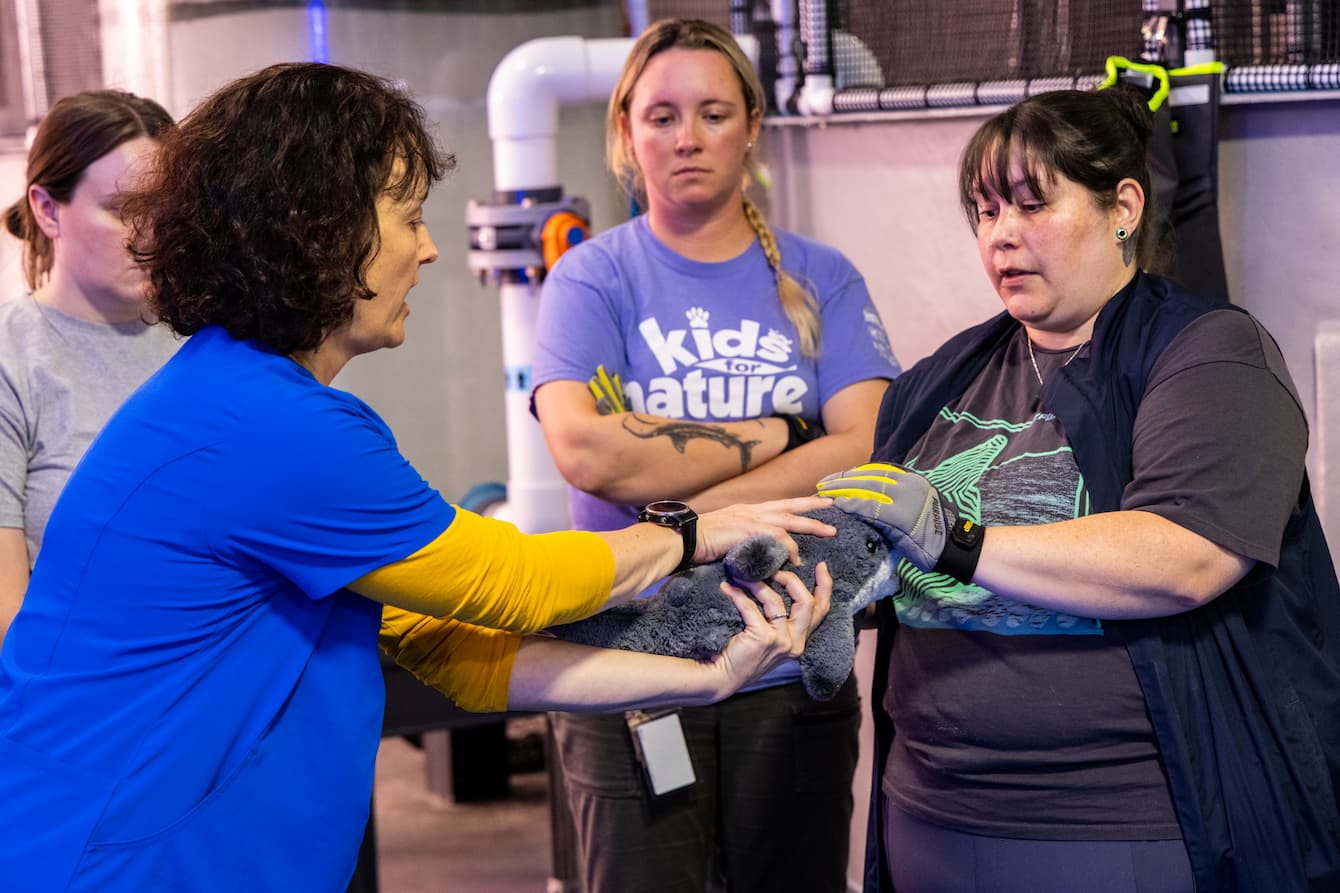
Four members of the Seattle Aquarium animal care team standing in a half-circle. Dr. Caitlin Hadfield is uding a shark plushie to demonstrate how to properly hold a shark during a medical exam.
Dr. Hadfield (left) demonstrates shark handling techniques with the Animal Care Center team ahead of a medical exam.

The Seattle Aquarium’s veterinary care team is currently composed of six people:

  • Two full-time veterinarians—Our director of animal health and team leader, Dr. Caitlin Hadfield, MA VetMB MRCVS DiplAZCM DiplECZM and Dr. Sasha Troiano, DVM MS CertAqV;
  • Two relief veterinarians, who are available to step in when our staff veterinarians are unavailable and/or extra support is needed—Dr. Brian Joseph, DVM MFAS CertAqV and Dr. Alicia McLaughlin, DVM CertAqV; and
  • Two veterinary technicians*—Lindy McMorran, BS LVT Cert AqVN/T and Erika Russ Paz, BS LVT.

*Not sure what a veterinary technician is? Be on the lookout for our upcoming web story, in which we’ll introduce you to Lindy and Erika and share some highlights of what they do—as well as details about a prestigious new credential that Lindy recently earned!

Initials = hard-earned credentials

Did you happen to take in the initials following our vet team’s names? They’re credentials—each one representing extensive education and certification.

For instance, staff vet Dr. Sasha Troiano and relief vets Dr. Brian Joseph and Alicia McLaughlin have doctorates of veterinary medicine, or DVMs. The three also have certified aquatic veterinarian (CertAqV) credentials from the World Aquatic Veterinary Medicine Association (WAVMA), indicating their extensive experience working with aquatic animals. In addition, Dr. Troiano has a Master of Science (MS) degree; Dr. Joseph has a Masters of Fisheries and Aquatic Sciences (MFAS) degree.

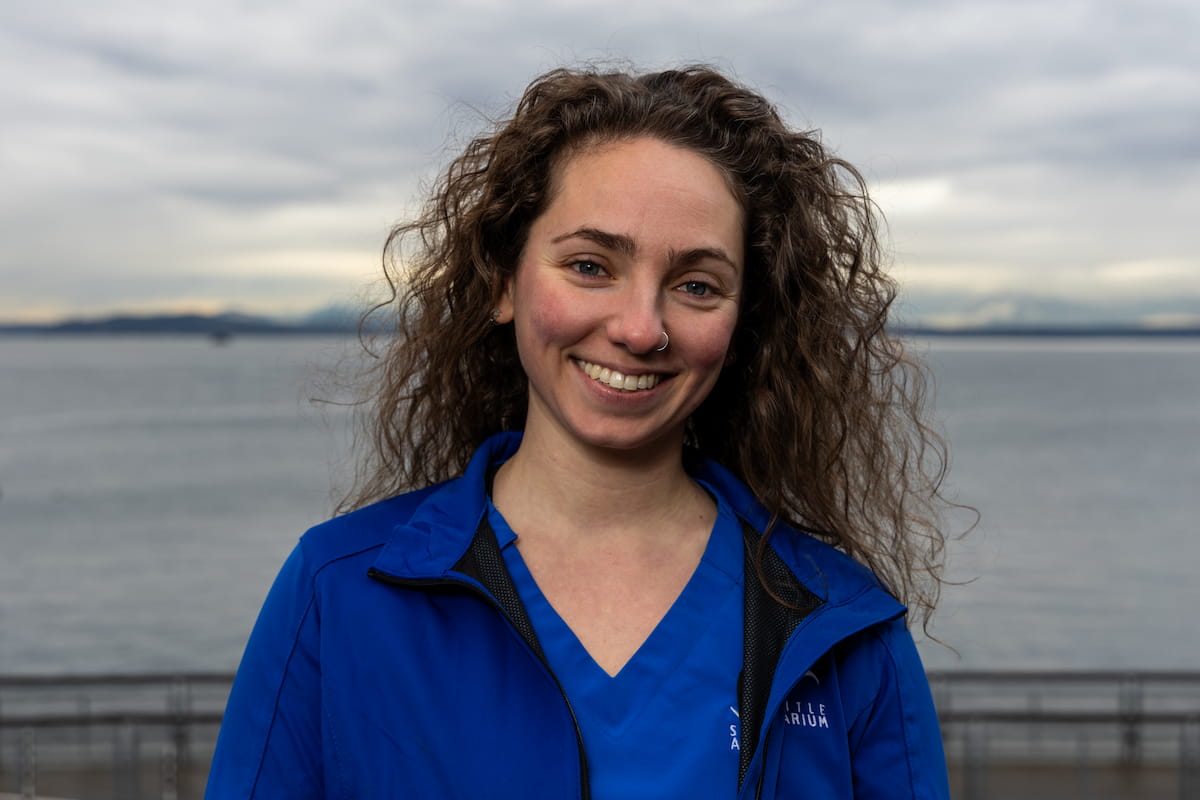
A photo of Dr. Sasha Troiano. She has long, curly brown hair and wears a blue shirt and rain jacket. She is standing on a pier in front of the Puget Sound.
Dr. Sasha Troiano

Lindy McMorran and Erika Russ Paz have Bachelor of Science (BS) degrees—marine biology for Lindy; marine science with a minor in biology for Erika—and licensed veterinary technician (LVT) credentials. In addition, Lindy recently received a certified aquatic veterinary nurse/technician (CertAqVN/T) credential from WAVMA—more on that in our upcoming web story!

As for Dr. Hadfield’s credentials, we’ll let her explain them in her own words:

  • MA: “I did a bachelor’s degree in zoology that included a master’s.”
  • VetMB: “Then I did my vet degree, which goes by those initials at University of Cambridge —the initials vary a bit by school.”
  • MRCVS: “That means I’m in good standing as a member of the United Kingdom’s Royal College of Veterinary Surgeons. It’s an odd requirement from England!”
  • DiplACZM: “These letters are for board certification. This was my first one, with the American College of Zoological Medicine—that’s what the ‘ACZM’ is for. Qualifying to take the exam requires years of clinical experience and publications. That’s followed by a challenging exam—in my case, I specialized in aquatics for my second day of exams, while day one had everything from red-eyed tree frogs to rhinos.”
  • DiplECZM: “I was also able to get certified with the European College of Zoological Medicine—the ‘ECZM’ in the title—and become a ‘diplomate’ of that group.”
Sara Perry and Dr. Caitlin Hadfield standing on either side of an examination table. Sara is gently holding a tufted puffin just above the examination table while Dr. Hadfield presses a stethoscope to the puffin's back.
Supervisor of Birds & Mammals Sara Perry (left) and Dr. Hadfield examine a tufted puffin in the Aquarium's Veterinary Care Center.

Benefitting animal wellbeing beyond the Aquarium's walls

Members of the Aquarium’s veterinary, water quality and animal care teams share their expertise with the larger community in many ways—for instance, serving in leadership roles with the Association of Zoos and Aquariums (a nonprofit, independent organization that accredits zoos and aquariums, including the Seattle Aquarium, worldwide); helping to rescue and rehabilitate stranded animals; participating in research on wild populations; making presentations; collaborating on and authoring papers and articles—and even co-authoring an entire textbook on fish medicine.

That’s right: On top of her regular duties, Dr. Caitlin Hadfield found time to co-author the 624-page Clinical Guide to Fish Medicine. Written for vets, vet techs, biologists and fish enthusiasts, it’s now required reading for zoological board exams.

Dr. Hadfield crouching next to harbor seal Barney. Barney is laying on his left side; Dr. Hadfield is holding a stethoscope to his chest. A second veterinary technician is gently lifting Barney's flipper out of the way.
Dr. Hadfield listens to a harbor seal's heartbeat.

What kind of exams are those? “Just like your dentist and knee surgeon have done additional exams to confirm their specialization, there are boards for vets who specialize in zoological medicine or specific types of animals,” Dr. Hadfield explains. “Boards require a lot of extra studying and difficult exams. It’s great to be on the required reading list because it ensures a steady stream of readers! But more importantly, it helps set high standards for health care of fish.”

The book was the first of its kind. “There are textbooks that provide practical information on clinical medicine of domestic species—like dogs and cats—that vets can refer to through the day while at work, but that resource just didn’t exist for fish,” notes Dr. Hadfield. “There are good textbooks on fish, but they are focused on specific aspects of fish medicine or particular diseases and aren’t as useful in a busy clinical setting. So we submitted a proposal to the publisher and they accepted.”

A true team effort

For any team to be successful, each member must bring something different and valuable to the table—and that’s definitely the case at the Seattle Aquarium. “I’m really proud of the team’s diverse skills and how we work together and learn from each other,” comments Dr. Hadfield. “We provide care whenever it’s needed: any time of day or night, any day of the year,” she adds, “so we need a team that can be one voice for animal care and wellbeing, and support the wellbeing of the staff and volunteers we work with. That’s a big task given the variety of species in our care.”

And that variety is increasing in a big way with the opening of the Ocean Pavilion this summer. Interested in a behind-the-scenes look at some of the species you’ll find there—and a chance to see Dr. Hadfield and other Seattle Aquarium team members in action? Check out episode six of our Animal Care Stories series. And if you’re curious about what it takes to become an aquarium vet, dive into this great conversation with Dr. Hadfield!

Youth Ocean Advocates in action: ReWRAP in Olympia

Seattle Aquarium Youth Ocean Advocates march with other Washington State residents along a street in Olympia, Washington, holding signs advocating for improved recycling programs and producer funded recycling.
Youth Ocean Advocates march with other Washingtonians in support of the ReWRAP Act, a producer responsibility bill for recycling. Credit: Ricky Osborne.

On January 15, our Youth Ocean Advocates (YOA) traveled to Olympia to show their support for the ReWRAP Act by participating in a constituent lobby day. The Seattle Aquarium collaborated with our Plastic Free Washington Coalition partners to gather nearly 100 Washingtonians to discuss with legislators how this bill will reduce waste and marine plastic pollution by transforming our state’s recycling system.

The ReWRAP Act (HB 2049/SB 6005), sponsored by Rep. Liz Berry and Sen. Liz Lovelett, will comprehensively increase recycling rates, incentivize more sustainable packaging design and ensure that all Washingtonians have access to free curbside recycling. Packaging producers will be financially responsible for the end-of-life costs of their packaging, a policy that other states like Maine, Colorado, Oregon and California have already passed.

Having learned about the intricacies of the bill to prepare to speak with legislators, Ellen, a 17-year-old from West Seattle, believes the bill will “revolutionize recycling in Washington.” For her, “It seems like it will kind of restore hope in the whole initiative of recycling and ideally shift the burden of protecting the environment more to the corporations who are responsible for manufacturing those materials in the first place.”

Seattle Aquarium Youth Ocean Advocates posing for a photo with State Representative Steve Bergquist's legislative assistant during a visit to the capitol in Olympia Washington.
Youth Ocean Advocates meet with Syd Locke, Rep. Steve Bergquist’s Legislative Assistant, to discuss the ReWRAP Act. Credit: Ricky Osborne.

The lobby day volunteers organized over 70 meetings with state senators and representatives to encourage support for the ReWRAP Act. Together, 16 YOAs attended 12 meetings! Samuel, a 16-year-old from Redmond, found it “really empowering to be able to interact with the people who are helping put this legislation forward within our state and therefore be part of that process as well.”

In meetings with their legislators, YOAs spoke about their personal reasons for wanting ReWRAP to pass. Ellen went to Olympia to share with her legislators that she is “really passionate about ocean conservation and advocacy,” to contextualize how important this bill is to her. In her meetings, Cristina, a 17-year-old from Auburn, spoke about how this bill will make sure everyone has access to recycling services. She said, “A lot of the times in environmental policy, the focus can be put on the consumers when so much of pollution is coming from large corporations, so this really is taking pressure off the consumer or small businesses.”

Though meeting with a representative can seem intimidating, Annabelle, a junior who attends a high school in Seattle, found that “legislators want to hear from you.” She wanted to encourage others to “just be confident in yourself and use your power as a Washington resident.”

Seattle Aquarium Youth Ocean Advocates and Aquarium staff members pose for a photo outside the legislative building in Olympia Washington while holding signs in support of improved recycling programs and producer funded recycling.
Youth Ocean Advocates and Seattle Aquarium staff pose with Rep. Liz Berry in front of the Legislative Building. Credit: Ricky Osborne.

After marching across the Washington State Capitol Campus in nearly freezing temperatures, our YOAs and other lobby day participants got to hear from Rep. Berry, an environmental champion who has worked closely with many stakeholders, including the Aquarium, to advance this bill in the House. Representative Berry underscored the importance of youth engagement in policy. Lac, age 15, came away from the day feeling that “what you do does matter in terms of ocean pollution and (young people) are the future of our society.”

The YOAs also attended a House Education Committee hearing, where they got to listen to other young advocates testify on bills related to middle and high school curricula. Claire, a high school senior from Seattle, found it inspiring to hear other kids testify in that hearing “getting to see younger generations involved in this sort of thing is really important and just very exciting to see.”

Seattle Aquarium Youth Ocean Advocates looking at a large vault door with Washington State Treasurer Mike Pellicciotti while visiting the capitol in Olympia, WA.
Youth Ocean Advocates on a tour of the state vault with Washington State Treasurer Mike Pellicciotti. Credit: Nora Nickum.

The YOAs also met with Washington State Treasurer Mike Pellicciotti and had a chance to check out the state vault. Sonia, a 17-year-old from Seattle, learned that “there are many different ways to become involved in politics, whether that’s being a treasurer or being a legislator or attending hearings…there are different ways to advocate your message.”

During the Lobby Day lunch speaker series, Athena Burk Bravo, a former Seattle Aquarium YOA, exemplified the different ways young people can reduce plastic pollution. Athena spoke to all the lobby day participants about her work founding a nonprofit called Trash Talk, which educates King County residents about the impact of recycling and pollution.

Athena Burk Bravo gives a presentation to a group of Seattle Aquarium Youth Ocean Advocates.
Athena Burk Bravo, a former Youth Ocean Advocate, speaking to the group about her work as founder and president of Trash Talk. Credit: Pamela Clough.

At the end of the day, Nikki, a 16-year-old YOA from Sammamish, said, “It was just so inspiring being in a big group of people, all really passionate about the same cause. And that really gets me excited to maybe attend more events like this and keep looking into what goes on with the ReWRAP Act.”

Recruitment for the new cohort of Seattle Aquarium Youth Ocean Advocates begins with orientation sessions in March. If you or a high schooler you know wants to participate in advocacy opportunities like this, you can go to the YOA webpage for more information. In the meantime, check out the rest of our 2024 State Legislative Priorities and stay up to date on the ReWRAP Act and other action opportunities by signing up for our policy action alerts!

Adults 21+ Special Events!

June 25  |  July 2

Explore the Aquarium at night with friends, family or by yourself!

Today only, your gift will be matched dollar-for-dollar up to $25,000 thanks to the generosity of donors Betsy Cadwallader, J & Tim, and Jess & Andy Peet. Help us reach our $50,000 goal!

End the year with a gift to the ocean.